Puzzle Feeder Furniture: Built for Behavior
By Keiko Tan • 19th Feb
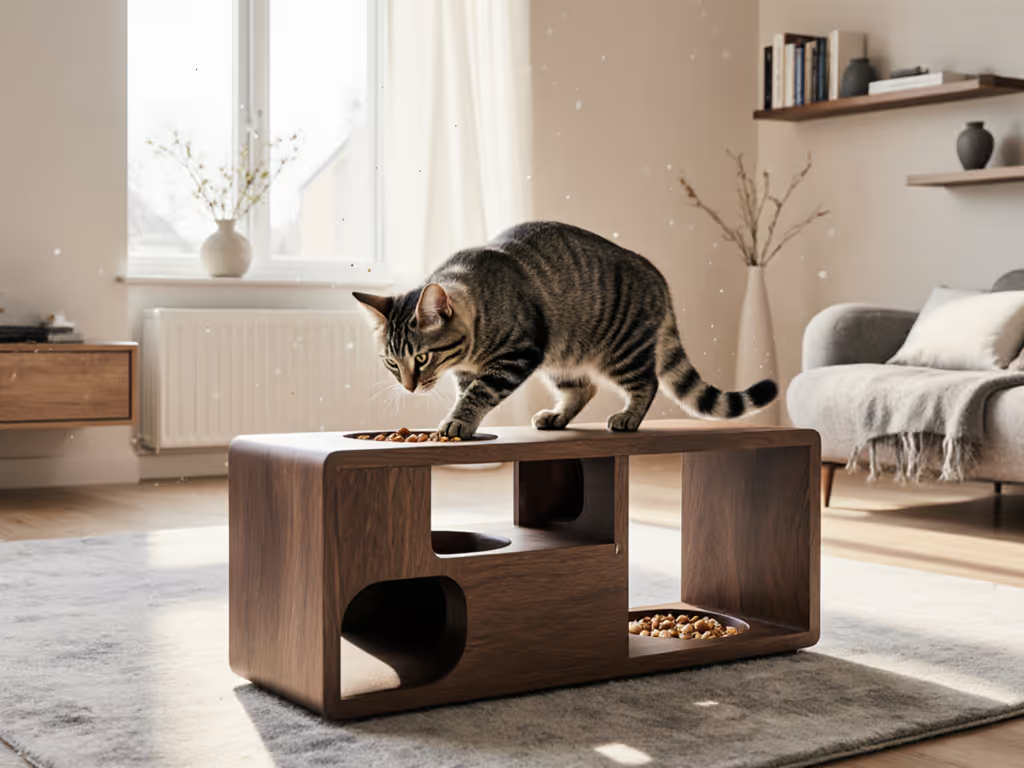
Unique cat furniture that combines form and function is rare, but puzzle feeder furniture (structures designed to dispense food while engaging your cat's natural instincts) bridges the gap between enrichment and home design. Unlike traditional cat trees that tower awkwardly in corners or food puzzles that scatter across floors, integrated puzzle feeder furniture offers a measured, structural approach to feline well-being. This article answers the critical questions homeowners ask before investing in these pieces.
What Exactly Is Puzzle Feeder Furniture?
Puzzle feeder furniture combines feeding mechanisms with climbing, perching, or hiding spaces. Rather than a separate toy or bowl, food-dispensing cat shelves and integrated structures require your cat to manipulate compartments, roll balls through channels, or paw at mechanisms to access meals. They are stationary, built into the home's layout, and designed to withstand repeated use (a key difference from disposable food puzzles).
FAQ: Does Puzzle Feeder Furniture Really Work?
Does it genuinely reduce behavioral problems?
Research confirms measurable behavioral shifts. For foundational research on why structured enrichment curbs problem behaviors, see our cat enrichment science guide. Studies tracking cats using puzzle feeders documented weight loss, decreased aggression toward humans and other cats, and reduced anxiety and fear. A mobile veterinarian working with house cats observed that puzzle feeders reduce unwanted behaviors such as scratching furniture, excessive meowing, and nocturnal zoomies by addressing the root cause: understimulation. Mental stimulation is particularly important for elderly cats, as it can help manage signs of dementia.
The mechanism is straightforward: cats are natural hunters who thrive on solving problems to access food. Puzzle feeders mimic that challenge, keeping the brain sharp.
Will my cat actually use it?
It depends on setup. Cats do prefer puzzle feeders over traditional bowls once acclimated, especially when the difficulty level matches their problem-solving confidence. However, adoption requires patience. Follow these stress-free introduction steps to help your cat accept new furniture and feeding mechanisms. Start with easier designs and gradually increase complexity. Wet food works best with stationary puzzle feeders; dry food accommodates both stationary and mobile designs.
One practical consideration: cats that are food-obsessed or anxious about mealtimes often find puzzle feeders reduce stress by breaking feeding into smaller, earned portions rather than free-feeding.
How does it affect digestion?
Speed matters. Many cats gobble food too quickly, leading to vomiting or digestive upset. Puzzle feeders slow consumption by forcing cats to work for each mouthful, encouraging smaller, more natural mouthfuls. This alone helps prevent regurgitation and improves overall gastrointestinal health.
Can it help with weight management?
Yes, measurably. Obesity ranks among the most common feline health issues, increasing risk of joint problems, diabetes, and hypertension. Puzzle feeders combat this through two mechanisms: movement (pawing, chasing, rolling requires physical activity) and portion control (food consumed over time rather than in one sitting). For a complete framework on safe, activity-promoting setups, read our weight management furniture design guide.
What makes one structure safer than another?
This is where structural integrity matters most. Cheap cat furniture often wobbles, tips, or uses substandard fasteners, a risk I've tested extensively with sandbag load testing across drywall, plaster, and masonry walls. If it wobbles, it fails. Learn how to test stability and anchor correctly in our cat furniture safety guide. A properly designed puzzle feeder furniture piece should:
- Meet or exceed ASTM stability standards (tip-over testing at 1.5x the heaviest load)
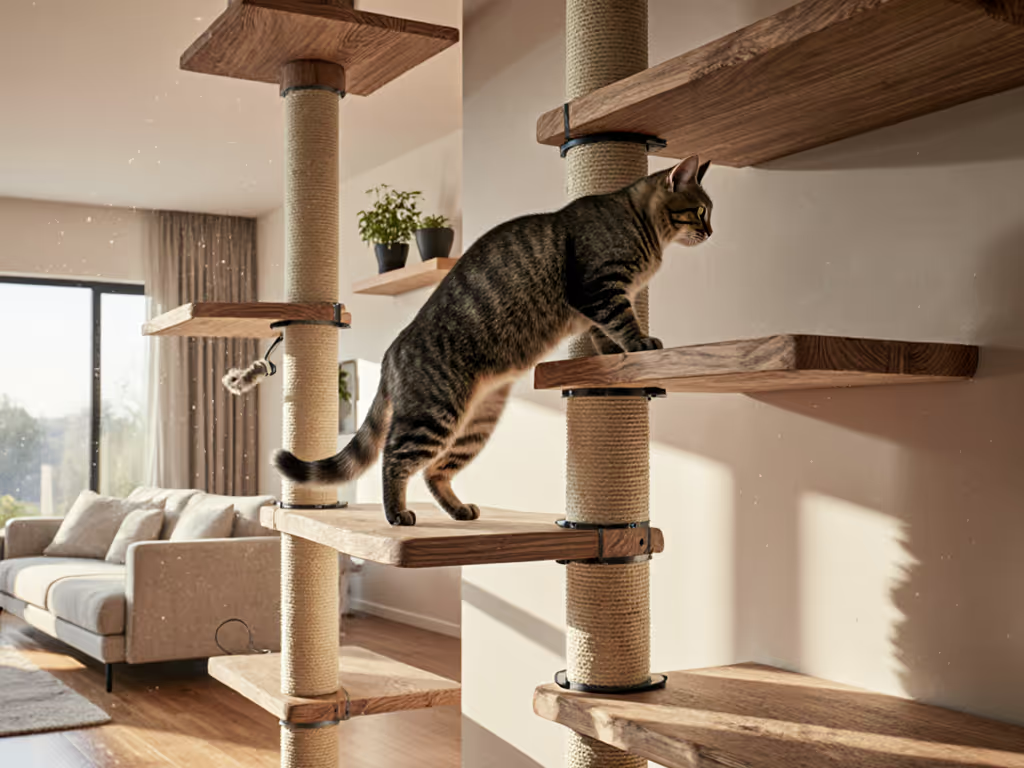
- Use lag bolts or masonry anchors appropriate to your wall type
- Feature non-toxic, low-VOC finishes (test by smell: strong odors after 24 hours indicate off-gassing)
- Have weight-tested joints and welds, not glued connections
- Include load-rating documentation
Furniture intended for cats weighing 8-15 pounds should handle at least 25 pounds of force without flexing or shifting.
Are food-dispensing cat shelves appropriate for multiple cats?
Multiple-cat households need hierarchy-aware design. For layout strategies that prevent resource guarding, explore our multi-cat vertical territory guide. Dominant cats may guard puzzle feeders, creating stress for subordinate cats. Consider:
- Multiple puzzle stations at different heights and locations
- Designs with separate compartments per cat
- Exit routes so anxious cats aren't trapped while feeding
- Spacing that prevents line-of-sight food theft
Rigorous observation during the first week reveals whether your cats cooperate or compete.
FAQ: How Does Puzzle Feeder Furniture Fit Home Design?
Will it look like cat furniture or like... actual furniture?
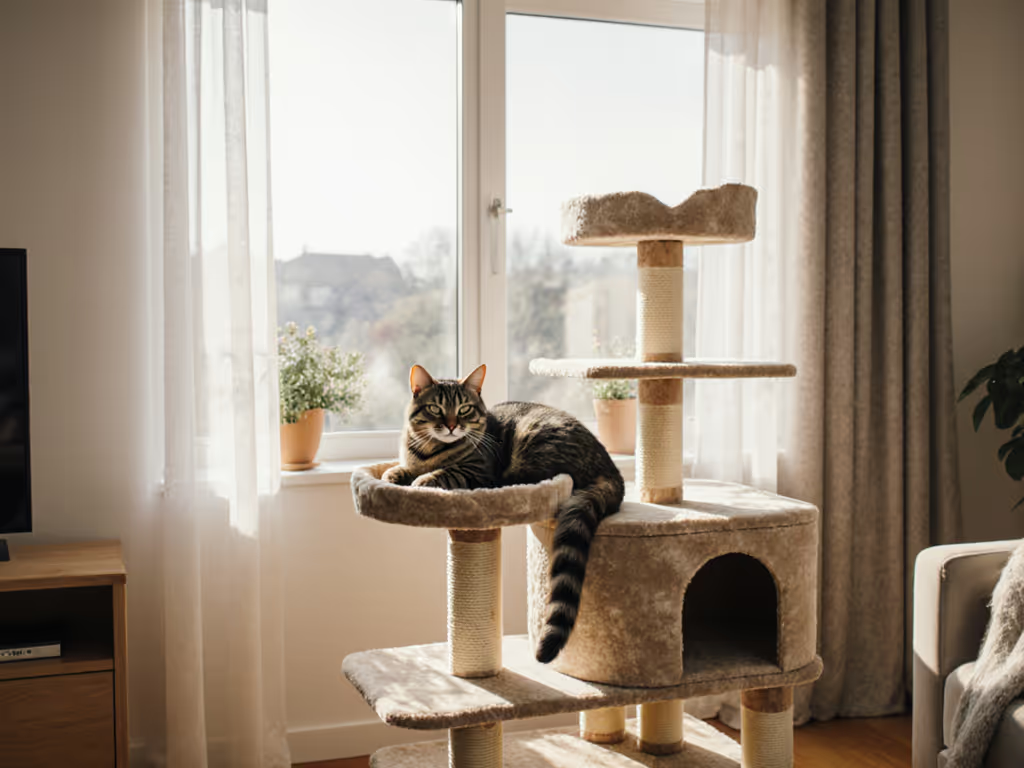
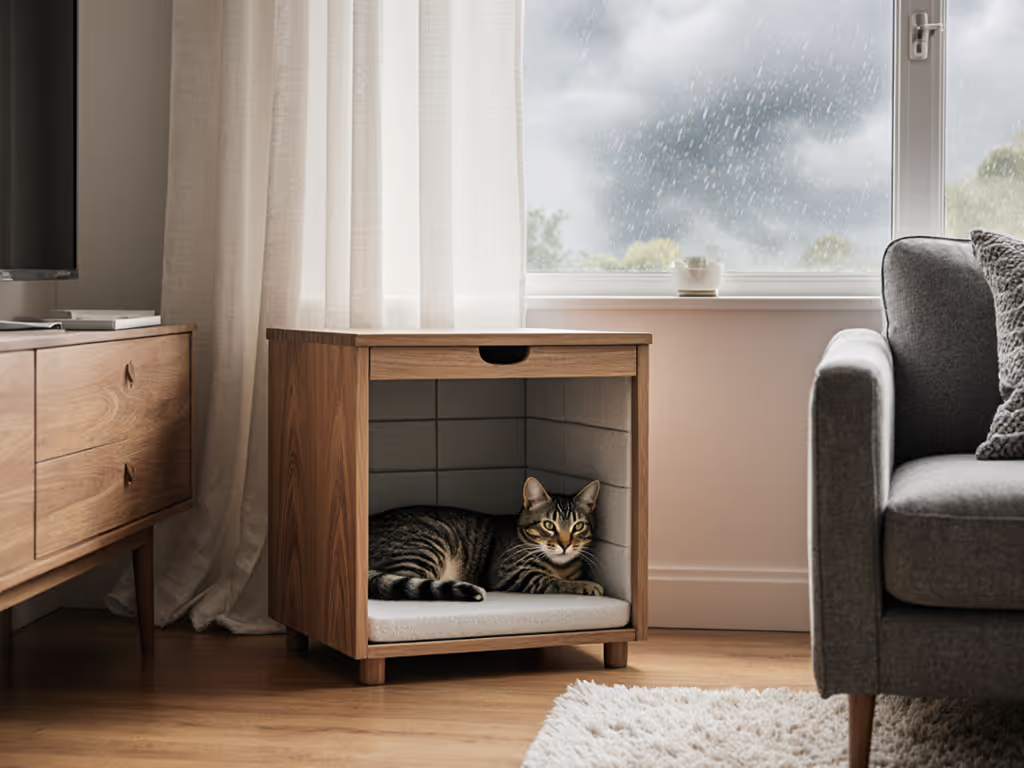
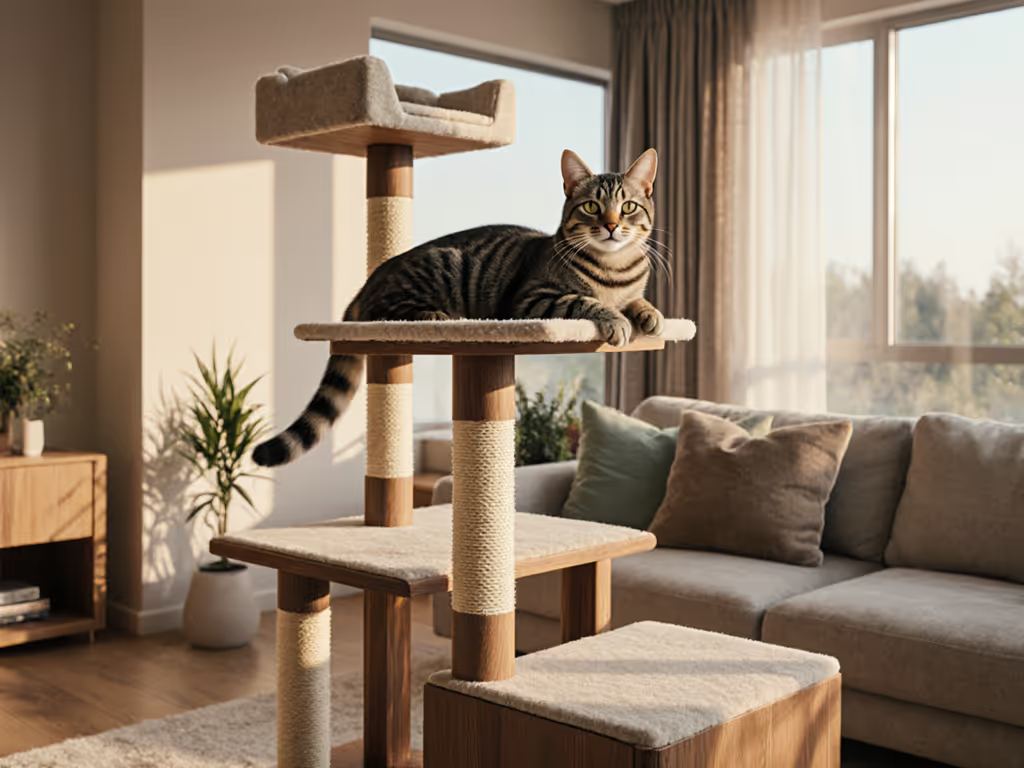
Quality puzzle feeder furniture integrates into modern interiors by mimicking shelving, side tables, or architectural features. Unlike bulky cat trees clad in carpet, integrated designs use wood finishes, metal accents, or minimalist profiles that complement existing decor. The aesthetic payoff matters: homes that feel cluttered by pet furniture often reduce enrichment options, leaving cats under-stimulated.
What materials withstand daily use?
Hard plastics and durable composites outperform fabric-covered towers in longevity. Fabric traps hair, dust, and odor, and deteriorates faster under repetitive scratching and jumping. Wood with sealed finishes, stainless steel, or powder-coated metal resists wear and cleans easily. Avoid scented finishes or treatments; they off-gas and can mask health issues (odors that should alert you to illness).
How do I know if it's actually durable?
Ask manufacturers for third-party testing data, not marketing claims. Rigorous products publish:
- Weight capacity per shelf or level
- Material specifications and sourcing
- Warranty duration and what it covers
- Anchoring requirements and installation instructions
- Finish certifications (low-VOC, non-toxic)
If a company can't provide this, the product wasn't engineered, it was assembled.
FAQ: How Much Should This Cost?
Is cheap cat furniture ever acceptable?
Not for puzzle feeders. Cheap designs fail in two ways: structurally (wobbling, tipping, breaking bolts) and functionally (dispensing mechanisms jam, compartments don't release food reliably). Both leave cats frustrated and owners worried. Mid-to-high-range pieces ($300-$800+) include engineering, safety testing, and materials that last 5-10 years. Budget furniture typically lasts 1-2 years before degradation.
The cost-per-year calculation often favors investment in one quality piece over replacing multiple cheap alternatives.
Actionable Next Step
Before purchasing puzzle feeder furniture, conduct a structural audit of your home:
- Identify your wall type (drywall, plaster, masonry, or combination).
- Measure available space and ceiling height; sketch how the piece fits.
- List your cat's preferences: climbing, hiding, perching, or scratching.
- Request load-test data from any candidate product, legitimate manufacturers provide it.
- Inspect finishes in person or via detailed photos; smell should be minimal after 24 hours of airing.
- Verify anchoring system matches your wall type and includes proper fasteners (not just surface adhesive).
- Trial the feeding mechanism with dry or wet food depending on your cat's preference.
Stability and safety first; then style, then everything else falls into place. A well-built puzzle feeder furniture piece becomes part of your home's architecture while fulfilling your cat's instinctual needs, no compromise required.
Related Articles