Sustainable Cat Furniture Disposal: Your Best Options
By Tariq Al-Khalil • 23rd Feb
When your beloved cat tree reaches the end of its life, the question of what to do next shouldn't add guilt to your goodbye. Whether due to wear, your cat's changing needs, or a move to new furniture, disposing of cat furniture sustainably requires thoughtful choices (ones that balance your values with practical realities). This guide walks you through the most effective disposal and repurposing methods available.
Understanding the Challenge
Cat furniture occupies a unique space in the waste stream. Most cat trees combine wood, fabric, and particleboard in ways that complicate traditional disposal. Your local recycling program may not accept them, and landfilling a structure that could serve another cat feels wasteful. The good news: intentional alternatives exist, and many align with the philosophy that our choices ripple outward (whether into a shelter's budget or back into someone's home). If you're rethinking future purchases, start with our behavior-guided selection guide to avoid waste before it starts.
Smell is a room too, as any enrichment specialist knows, and the same principle applies to giving furniture new life. The structure itself (those climbing routes and perching spots) holds value far beyond its original owner.
FAQ: Your Questions Answered
What Makes Cat Furniture Difficult to Dispose Of?
Cat furniture presents disposal challenges that generic furniture doesn't. Most cat trees combine plywood bases, particleboard platforms, sisal rope, and soft fabric covers, each decomposing at vastly different rates. The sisal wrapping, while natural fiber, is treated and densely bound, resisting breakdown in standard landfills. Particleboard, glued together under pressure, can take decades to decompose, and it releases formaldehyde during the process. Fabric covers add microfiber contamination.
Beyond the material complexity, many cat trees contain wood stained or sealed with finishes that aren't food-safe, ruling out some repurposing paths. This layered composition means you can't simply toss the whole unit into one waste stream and walk away with a clear conscience.
Why Should I Care About How I Dispose of Cat Furniture?
Typically, a quality cat tree lasts 5 to 10 years with daily use. During that time, your cat's scratching, jumping, and nesting have encoded behavior into its structure. That encoded value shouldn't disappear simply because your circumstances changed.
From an environmental perspective, the manufacturing of a new cat tree requires raw materials: trees harvested for wood, crude oil processed into synthetic fibers, glue chemicals synthesized, and energy spent on production and transport. Bypassing that cycle by extending a tree's lifespan prevents those upstream costs from happening again. For conscientious owners, the environmental impact isn't abstract. It is personal.
Beyond environmental impact lies practical affordability. A high-quality cat tree represents a meaningful investment. Recouping even partial value through resale or donation returns tangibility to that choice.
Which Disposal Method Is Best for My Situation?
The right method depends on your furniture's condition, your living situation, and local infrastructure. Here's how to match your circumstances to the best path forward.
Donation to Shelters or Rescue Organizations
If your cat tree is structurally sound (frame intact, no broken platforms, minimal odor), shelters and cat rescues are often your most meaningful option. These organizations operate on thin budgets, and enrichment furniture directly reduces their operating costs while improving the lives of cats in their care. A shelter cat, like a cat I once worked with named Miso who wouldn't leave his carrier for days, transforms when offered vertical choice and safe routes. Miso needed staggered shelves and predictable pathways, which is exactly what a donated tree provides.
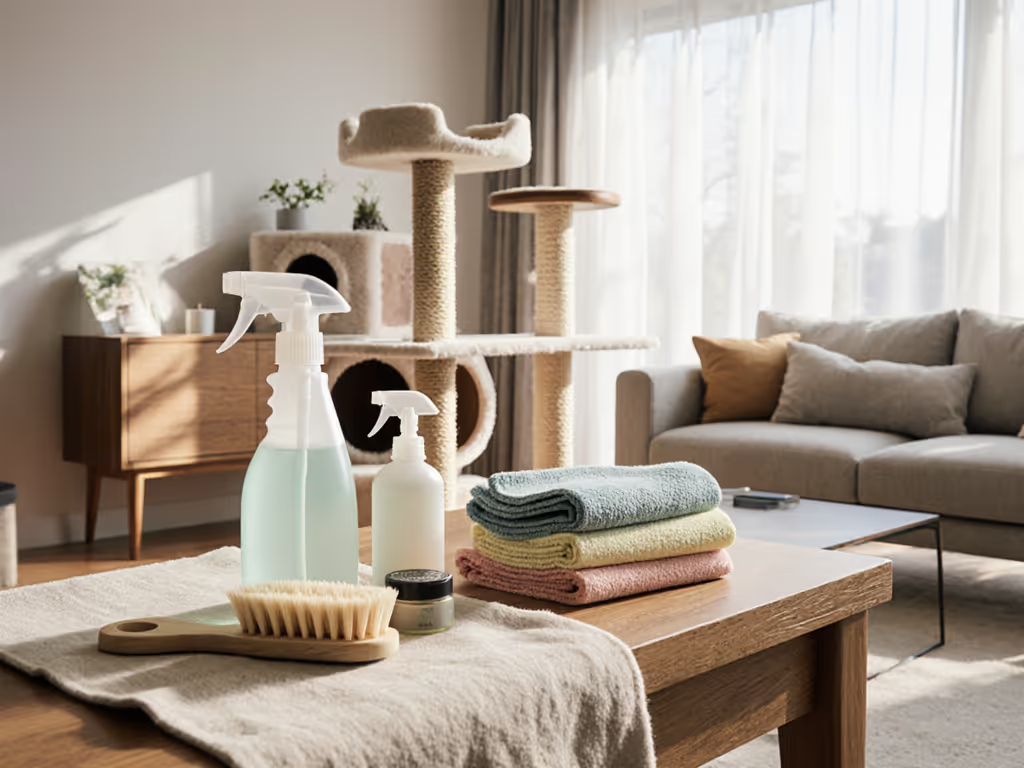
Before donating, deep-clean the structure with mild soap and water. For step-by-step methods by material, see our cat furniture cleaning guide to ensure it's shelter-ready. If the fabric is heavily soiled or stained beyond practical cleaning, consider removing covers and offering the bare frame; many shelters have volunteers who can recover it or use it as-is.
Resale Through Online Platforms
Facebook Marketplace, Craigslist, and dedicated pet furniture secondhand groups attract buyers specifically seeking budget-friendly enrichment. Price realistically based on condition: a lightly used tree might fetch 40 to 60% of retail, while one showing significant wear might justify 10 to 20%. Honesty about damage builds trust and prevents return frustration.
This option works best if your tree is relatively recent, visually intact, and you're willing to coordinate local pickup. It requires minimal effort and places the furniture directly into a home where it'll be used (no middleman involved).
Can I Upcycle or Modify Old Cat Furniture?
Upcycling old cat trees combines creativity with sustainability, though success depends on your comfort level with modification.
Partial Deconstruction
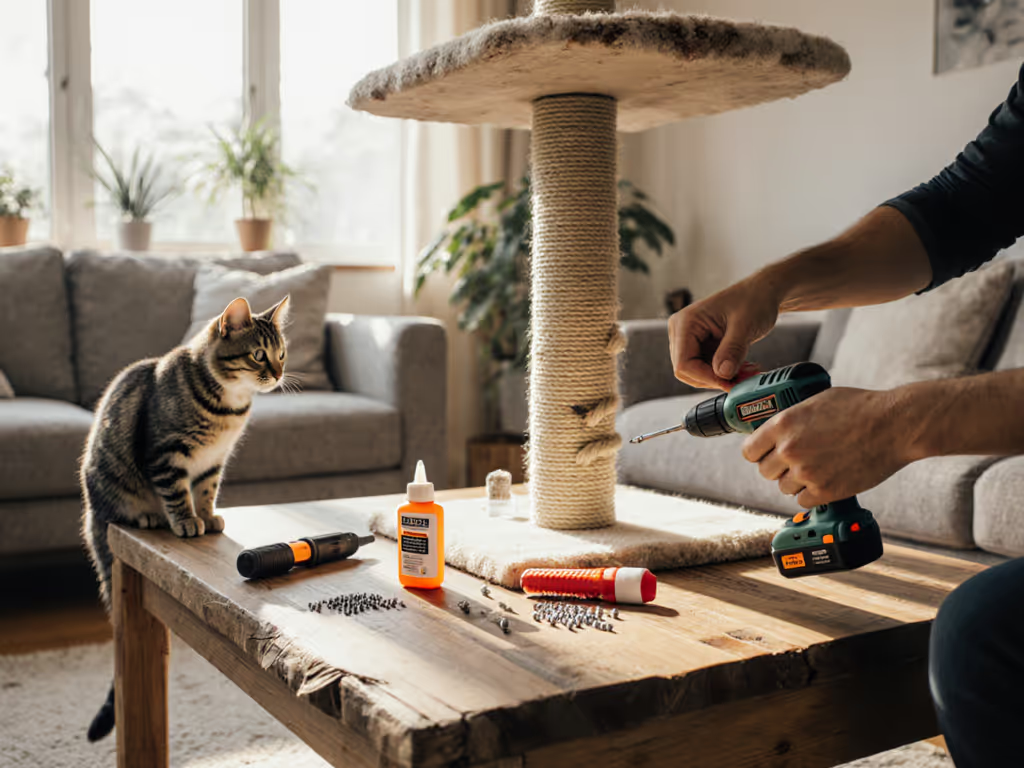
If your tree's frame is solid but the fabric is worn, removing covers exposes the wood beneath. Some owners prefer the minimalist aesthetic; others wrap platforms with new sisal rope or jute, essentially rebuilding the scratching surfaces while keeping the structural skeleton. This approach works best for wooden or natural-fiber designs and can extend a tree's life by 2 to 5 years. If minor repairs are needed, our DIY fix-and-extend guide covers tightening wobbly bases, rewrapping sisal, and safe reinforcement.
Platform Removal and Reconfiguration
A multi-level tree with damaged mid-platform can become a two-tier model. Removing compromised sections reduces visual clutter while preserving functionality. Behavior-first thinking applies here: assess which platforms your cat actually uses (often the top and one mid-level suffice). Removing unused platforms simplifies cleaning and sometimes improves stability.
Vertical Route Integration
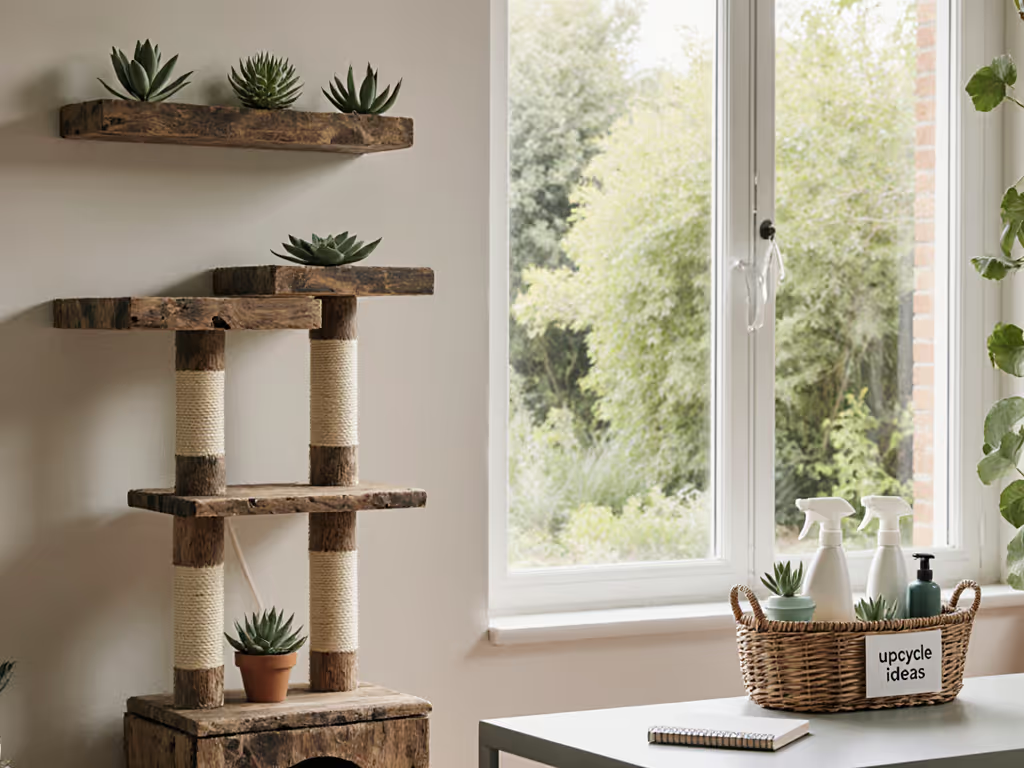
If your tree stands but feels outdated, integrating it into a broader environmental design often revitalizes its purpose. Pairing an older tree with floating shelves, wall-mounted perches, or a cardboard tunnel creates habit-aware enrichment. Your cat benefits from expanded choice, and the old tree becomes part of a cohesive vertical network rather than standing alone. For layout ideas that pair trees with shelves, see our DIY vertical shelves guide.
What If My Furniture Is Too Damaged to Donate or Resell?
Damaged furniture (broken supports, missing platforms, extensive odor) requires more intentional disposal. Standard curbside trash may or may not accept it (size restrictions vary); check your local guidelines. If your community offers bulk pickup, cat furniture typically qualifies.
Responsible Deconstruction
Before sending a tree to landfill, consider separating materials. Wooden platforms and frames often contain reusable solid wood. Sisal rope, while wrapped, can sometimes be salvaged for crafts or composting (if untreated). Metal support rods and hardware belong in recycling. This layered approach requires effort but prevents mixed materials from going straight to landfill, instead routing components to appropriate endpoints.
Specialized Furniture Recycling
Some communities have furniture-specific recycling centers or upholstery reclamation shops. These facilities disassemble items, separating wood, metal, and textiles for appropriate processing. Your local waste management or environmental organization can point you toward these services.
Are There Sustainable Alternatives to Traditional Cat Furniture?
While this article focuses on disposing of existing furniture, understanding alternatives shapes future choices, and those choices determine what you'll eventually dispose of.
Modular and Longevity-Focused Designs
Furniture engineered for durability and replaceability (individual platforms you can swap, removable covers you can wash or replace, frames rated for long-term use) reduces end-of-life waste by extending useful life. These pieces cost more upfront but amortize over years of use and replacement of parts rather than wholesale replacement.
DIY Environmental Enrichment
Cardboard boxes, wooden crates, blankets, and simple shelving arranged thoughtfully provide enrichment without factory-produced cat trees. This approach (precise, habit-aware placement of climbing and hiding routes) often engages cats more effectively than static commercial structures. DIY setups also decompose far more readily at end-of-life; cardboard and natural textiles return to earth with minimal complexity.
What Attitude Should I Have About Disposing of Cat Furniture?
Behavior blossoms when spaces speak your cat's native language, and that truth applies to how you think about furniture lifecycle, too. Your cat tree isn't failure. It is evidence of years of service. Reframing disposal as transition rather than waste shifts your emotional relationship to the decision.
A tree entering a shelter enables another cat's recovery. A tree resold reaches a family that values your prior investment. A tree thoughtfully deconstructed and disposed of prevents unnecessary strain on landfills. Each path carries dignity.
Moving Forward
Sustainable cat furniture disposal begins with honest assessment: Is the piece still functional? Does it meet your cat's current needs? Does it fit your space and aesthetic? These questions guide you toward the path (donation, resale, upcycling, or responsible disposal) that aligns with both your values and your cat's present reality.
The most sustainable cat furniture is the furniture already in your home, used thoughtfully for as long as possible. When transition time arrives, choose the method that honors both the object and the cat it once served. Your choices ripple outward, whether into a rescue's budget, a new cat owner's savings, or materials flowing back into appropriate cycles rather than landfills. That intention (practical, precise, and gentle) is where real sustainability lives.
Related Articles