Slab Foundation Cat Furniture: Complete FAQ
By Tariq Al-Khalil • 6th May
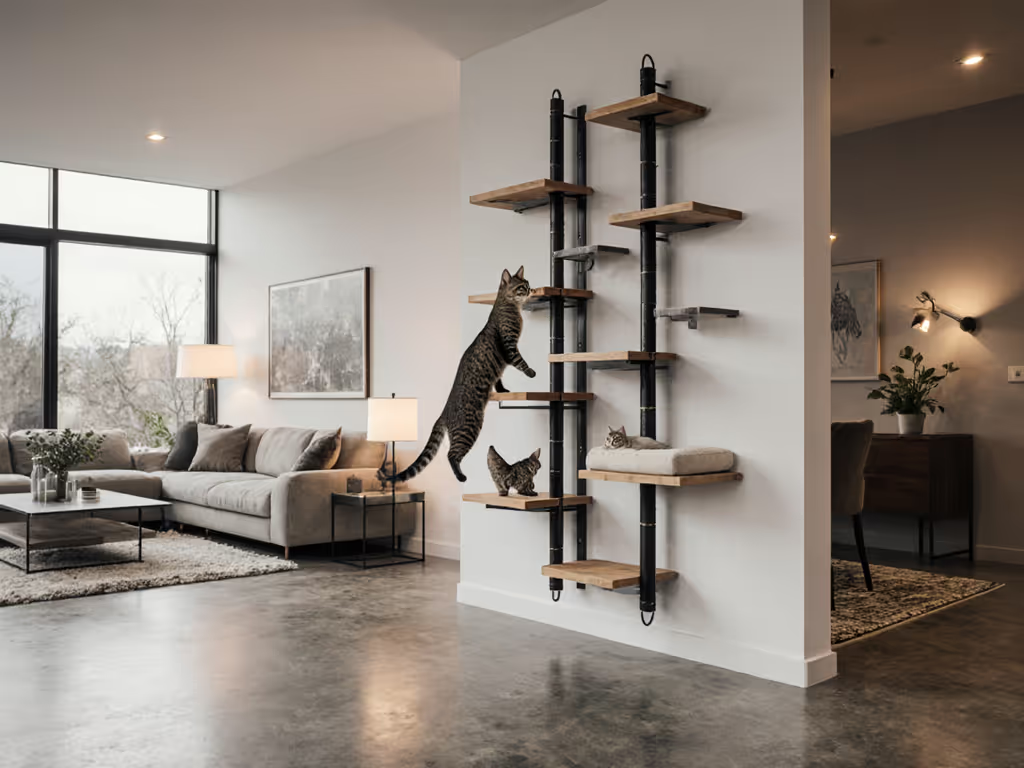
Homes built on slab foundations present a unique challenge for cat guardians. Unlike traditional raised-floor homes where anchoring shelves to wall studs is straightforward, slab foundation cat furniture and concrete floor cat integration require a different approach, one that respects both your cat's behavior and your home's structural reality. This guide walks you through the questions most guardians ask when setting up enrichment in concrete-based living spaces. For behavior-first planning beyond slab specifics, read our behavior-guided furniture selection guide.
Why Slab Foundations Matter for Cat Furniture
What makes a slab foundation different for cat furniture?
A slab foundation is a single concrete surface poured directly on the ground. This means:
- Vertical anchoring often relies on concrete-compatible fasteners rather than studs
- Thermal bridging can make concrete floors and lower walls cold, affecting where cats naturally gather
- Weight distribution requires careful planning to prevent furniture from tipping or creating safety issues
- Moisture and odor can concentrate near floors, influencing scent-marking behaviors
The key insight here is behavioral. Cats aren't indifferent to temperature or texture, they're sensory architects. When your floor is cold concrete, cats seek warmth above it. This actually guides your furniture placement strategy perfectly.
Understanding Cat Behavior in Slab Homes
Why do cats behave differently on concrete floors?
Concrete stays cooler than wood or carpet. Cats naturally gravitate toward warmth and elevated vantage points. In a slab home, this instinct becomes even more pronounced. Your cat isn't being fussy; they're following evolutionary preference for high, warm observation points.
This is where vertical design becomes non-negotiable. A shelter cat named Miso spent his first week frozen in a carrier, refusing to explore. Once I mapped a gentle vertical route (staggered shelves rising in stages, each one a choice point), he began to stretch and climb. By day three, he was greeting volunteers from the highest shelf. The shift? He wasn't forced to climb. He was invited by design.
How does thermal bridging affect furniture placement?
Thermal bridging occurs when cold concrete directly touches your home's perimeter. Zones near exterior walls stay cooler; interior walls stay relatively warmer. Your cat knows this without thinking about it.
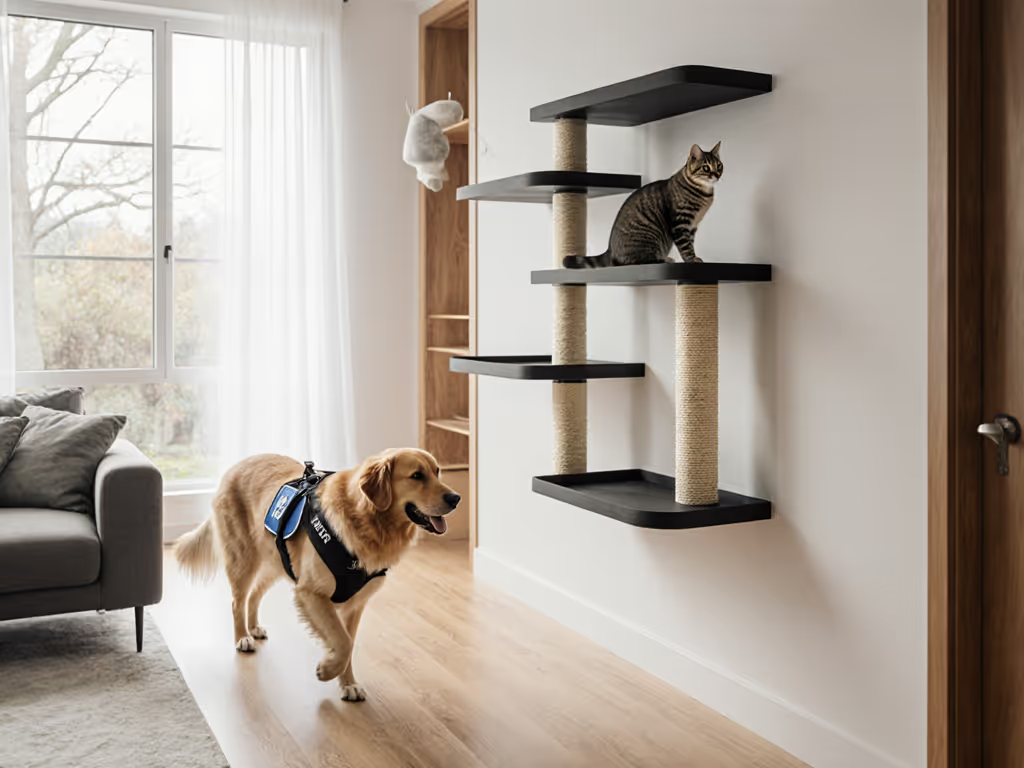
Place primary resting spots and retreat spaces away from exterior-facing walls, especially in winter. Use elevated platforms as your primary enrichment; they position cats above the coldest layer of air and offer the vantage they crave.
Practical Installation Questions
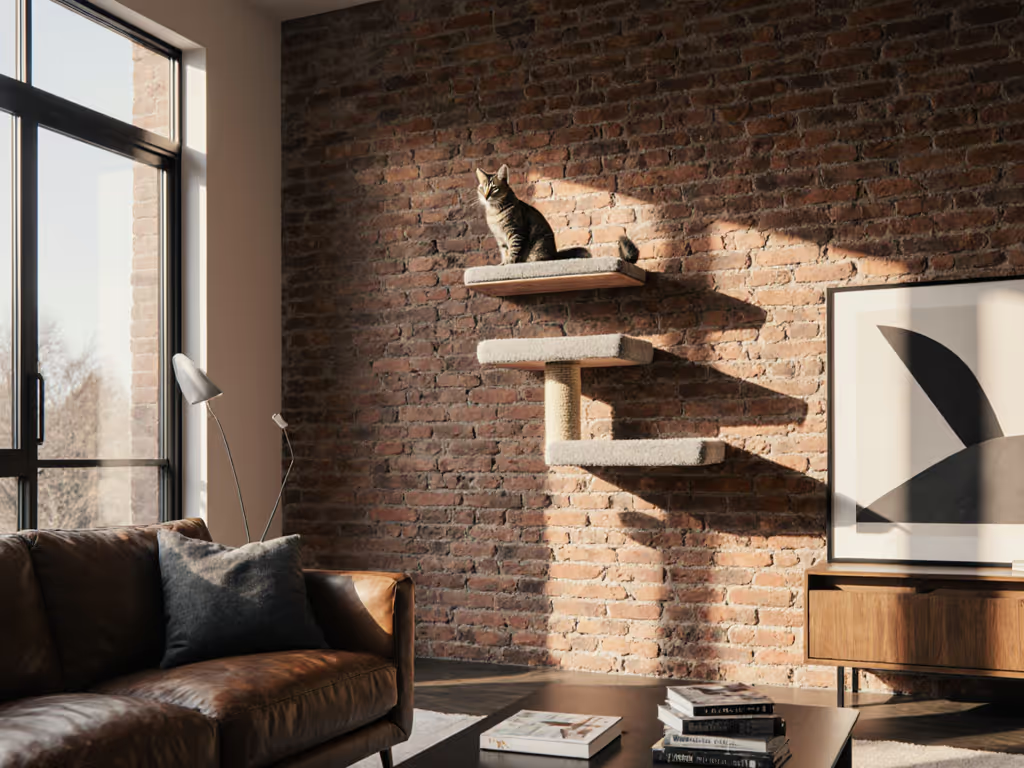
What are the best anchoring options for concrete-compatible furniture?
Three practical approaches work well:
-
Concrete anchors and fasteners: Heavy-duty toggle bolts, wedge anchors, or lag bolts rated for concrete provide secure wall attachment. These aren't DIY if you're uncertain; a brief consultation with a handyperson ensures safety.
-
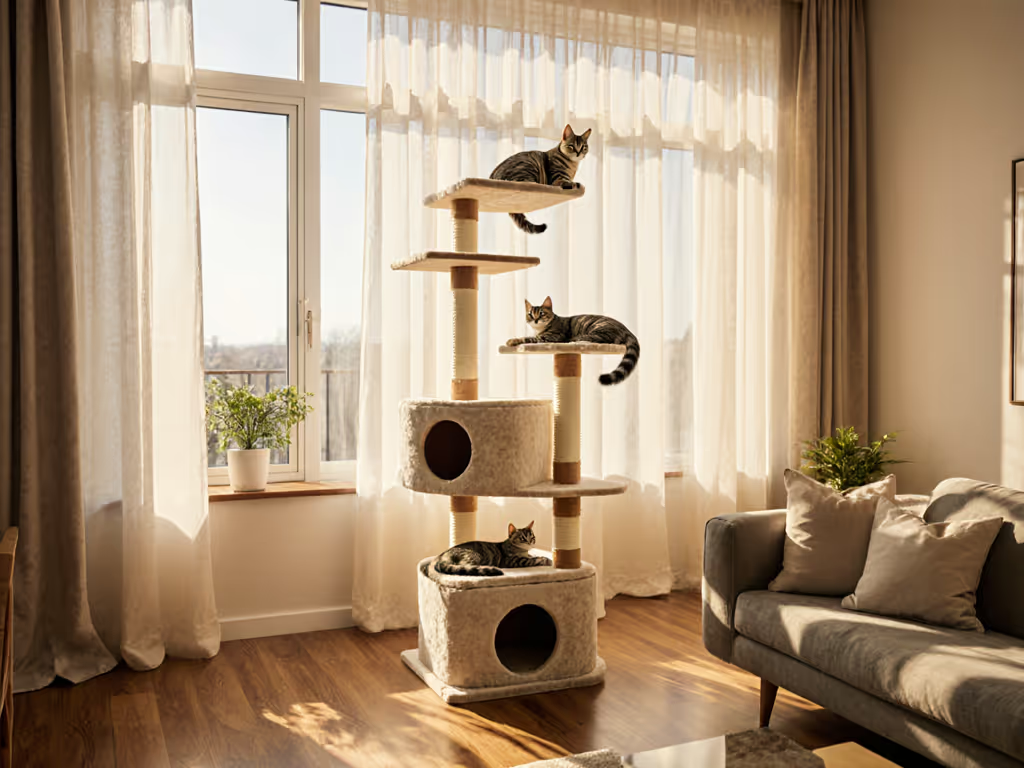
Freestanding weighted bases: Furniture designed with wide, heavy footprints distributes weight safely without wall anchoring. Verify stability before introducing your cat; anything unanchored must be thoroughly tested for tip-over risk. Use the testing methods in our cat furniture safety guide to evaluate tip-over risk on concrete floors.
-
Hybrid approaches: A shelf anchored at one or two points to the wall, combined with a support post from floor to shelf, provides redundancy and security.
Never use unanchored tall builds. Tipping risk far outweighs convenience.
How do concrete anchor cat shelves differ from traditional wall shelves?
Concrete fasteners grip differently than drywall anchors. Not sure about drilling? See our drill-free vs drilled mounting comparison to choose the right system for your walls. They're designed to expand within the concrete itself, creating a mechanical lock rather than relying on paper wall backings. This means:
- Holes must be precisely drilled (often 3/8" or 1/2" depending on anchor type)
- Weight capacity is typically higher, but concrete conditions vary
- Professional installation, especially for premium furniture, protects your walls and your cat
Managing Scent and Sensory Zones
Why does odor concentrate differently on slab foundations?
Concrete is porous and cold. Cats use scent marking (urine, cheek rubs, paw marks) to create cognitive maps. On concrete, these scents persist more visibly and travel differently than on other surfaces. Smell is a room too; your cat's olfactory map is as real as the visual one.
If you notice increased marking behavior near concrete areas, it's not defiance, it's your cat creating sensory anchors to feel secure in an environment they perceive as less familiar than carpeted spaces.
How do you create scent-safe furniture zones in slab homes?
- Introduce scratching posts with robust bases near primary gathering areas; cats mark these instinctively, creating ownership signals
- Use fabric-backed shelves sparingly if cleaning concerns exist; sealed wood or concrete-finish platforms are easier to sanitize
- Position furniture to create pathways, not isolated islands. A slab home cat pathway that guides movement through your space (low to high, room to room) creates predictability and reduces stress that leads to excessive marking
Space Optimization for Concrete Floors
How do you maximize vertical space when floor space is limited?
The answer is stepwise design. Don't jump from floor to 6-foot-high shelf. Instead:
- Create a low platform (12-18 inches) for entry and exploration
- Place a mid-level shelf (24-30 inches) as the primary rest zone
- Add a high perch (36-48 inches) for security and observation
This tiered approach respects your cat's confidence level while offering choice. Each level becomes a habit point; predictable placement means your cat learns routes and returns naturally.
Can modular furniture work in slab homes?
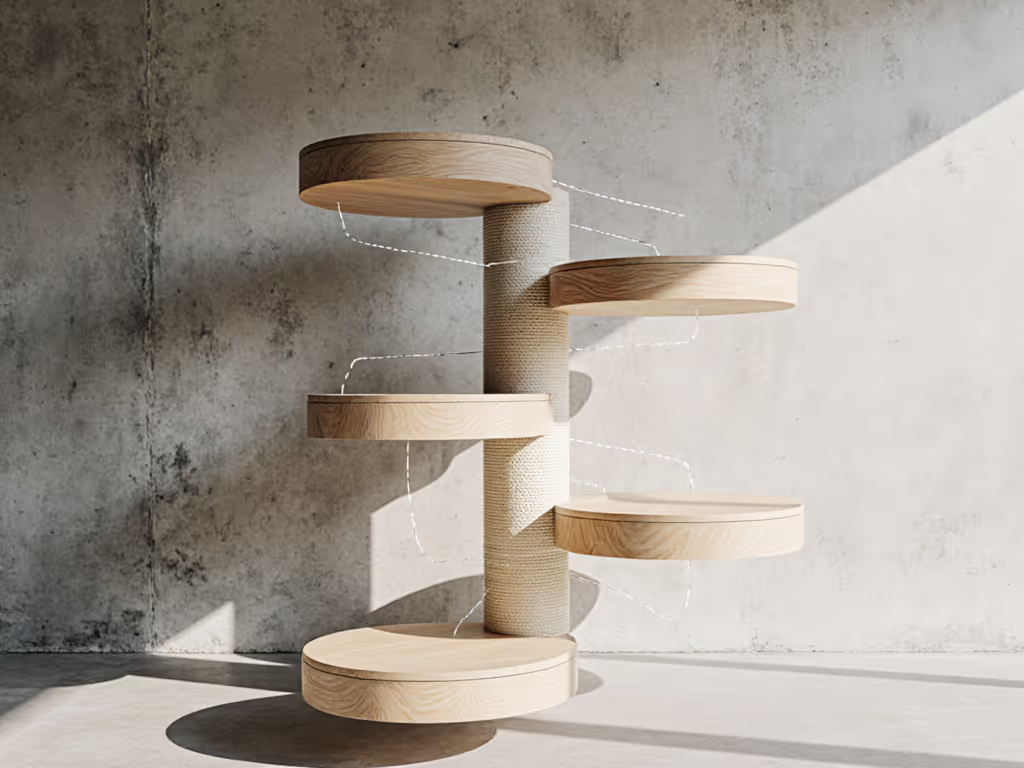
Yes, with caveats. Modular systems let you adapt to your space, but each module must be independently stable or properly anchored. Stacking multiple lightweight modules risks instability. If you choose modular, verify that the manufacturer has tested configurations on concrete or used concrete-compatible furniture rated for your weight distribution. Compare top modular wall systems for stability, installation, and layout flexibility.
Maintenance and Longevity
Why is maintenance easier with concrete-compatible designs?
Concrete floors demand practical furniture choices. Materials that work well:
- Sealed wood or plywood: Easy to wipe down, resists odor absorption
- Concrete finishes or resin coatings: Match your floor aesthetic, clean simply with a damp cloth
- Minimal fabric: Reduces hair trapping and cleaning demands
This aligns with your cat's needs too. Behavior blossoms when spaces speak your cat's native language. A clean, maintained space signals order and safety, reducing anxiety that might otherwise manifest as destructive scratching or marking.
Looking Forward
Building an enriched environment for cats on slab foundations isn't harder, it's different. The concrete itself teaches you something valuable: cats thrive when territory offers choice, vantage, and safe retreats. Slab homes naturally guide you toward vertical design, predictable pathways, and stable furniture placement.
Your next step? Walk your slab floor as your cat would. Note where warmth pools, where light enters, where they naturally gather. Map a vertical route that invites (not forces) exploration. Introduce one level at a time, anchoring securely, and observe how quickly choice and predictability reshape behavior. For step-by-step cat acceptance, follow our stress-free introduction guide. Consider consulting resources on concrete fastener ratings, measuring your walls for thermal zones, and documenting your cat's baseline behaviors before introducing new furniture. These small acts of precision prepare the ground for lasting enrichment.
Related Articles