Smart Glass Cat Spaces: Calm Light-Adaptive Perches
By Nikhil Bhatt • 30th Jan
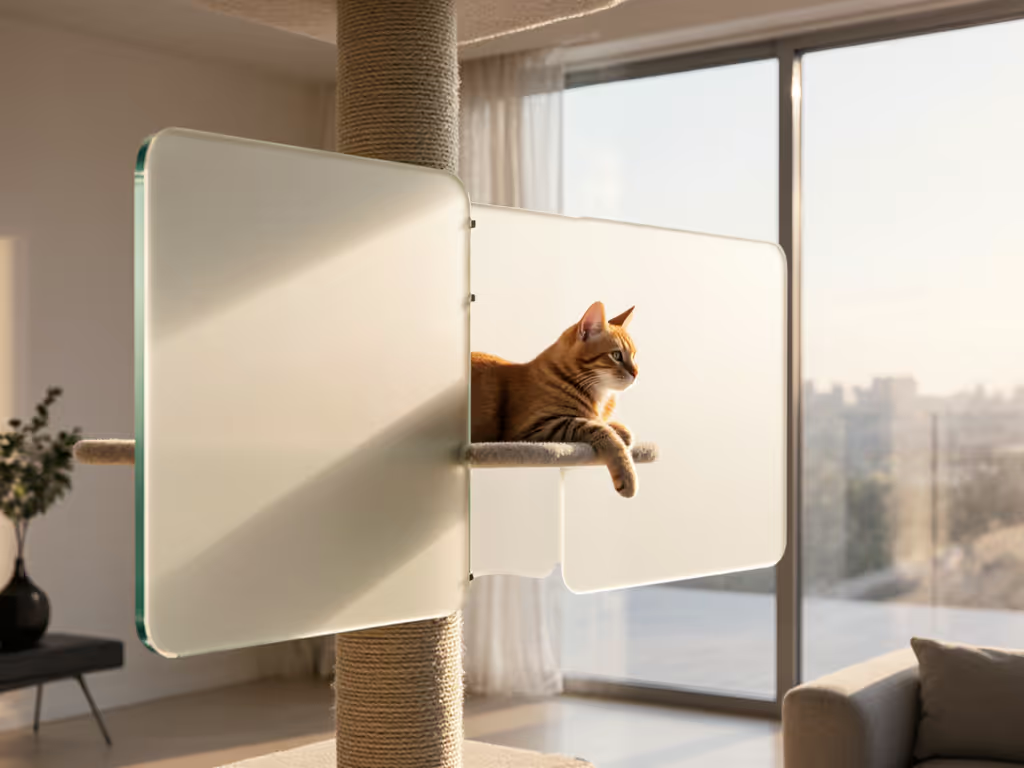
When your feline friend spends hours perched by the window, the quality of that light experience matters deeply. Traditional cat furniture often ignores the critical relationship between light conditions and feline comfort, creating spaces that become too bright or suddenly dark without warning. Smart glass cat furniture and adaptive window perch systems solve this by creating environments where light transitions happen naturally, respecting cats' sensitive eyes and circadian rhythms. Comfort is a function of access, predictability, and warmth (something I learned when my senior cat Kiri developed arthritis and found her once-beloved sunspot transformed from sanctuary to sensory assault).
Why Feline Vision Needs Light-Adaptive Design
How does variable light affect my cat's behavior and comfort?
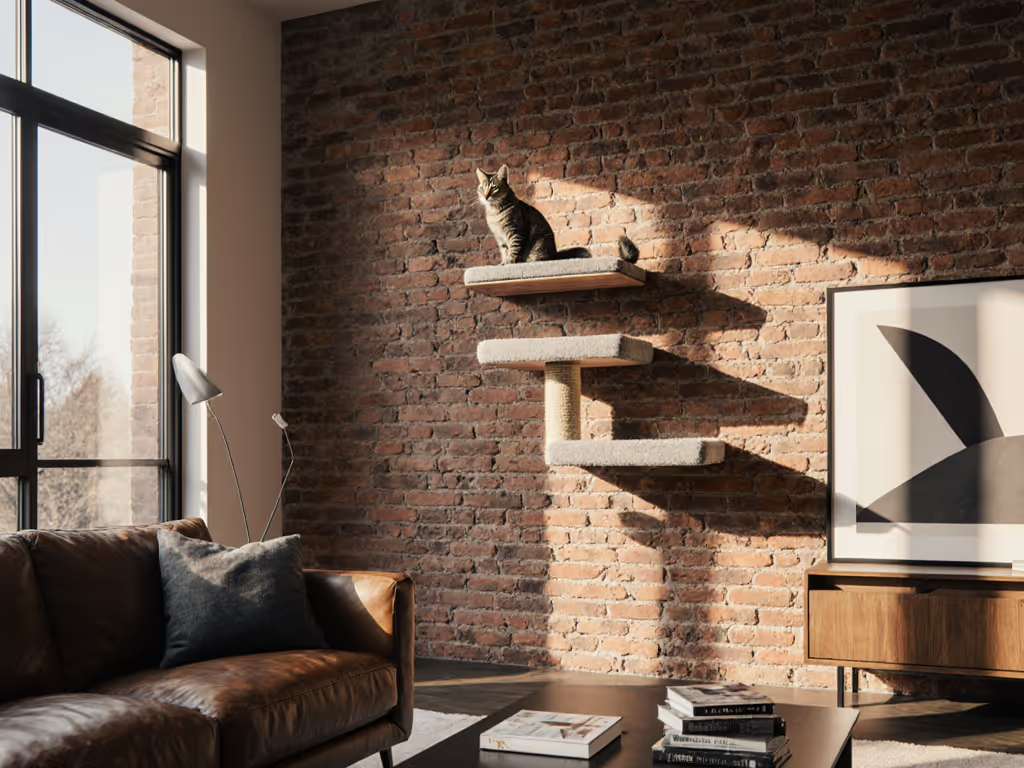
Cats' eyes are exquisitely sensitive, with pupils that can contract to pinpoints in bright light yet expand to fill nearly the entire eye in darkness. Sudden transitions between light conditions cause visual discomfort that manifests as avoidance behaviors. Your cat may abandon their favorite perch when harsh afternoon sun hits, or appear anxious when shifting from bright to dim spaces. For safer window setups and glare control, explore our safe sunbathing shelves guide.
Evidence-aware research shows that natural light regulates feline circadian rhythms, influencing sleep patterns, hunting behaviors, and overall mood. When light conditions change abruptly (like when direct sun hits a stationary perch), cats experience visual stress that can lead to increased anxiety and reduced use of valuable vertical territory. This is particularly problematic for senior cats with diminished visual acuity, who struggle more with contrast transitions.
What makes smart glass different from regular window perches?
Unlike static perches that force cats to cope with whatever light conditions exist at that moment, smart glass cat furniture incorporates electrochromic technology that gradually adjusts transparency based on ambient light levels. This creates a soothing visual environment where your cat isn't startled by sudden glare or plunged into disorienting darkness.
Think of it as dynamic architecture for your feline companion: adaptive window perch systems don't just provide elevation; they create responsive environments that honor your cat's natural biological rhythms. These systems allow for gentle transitions between light states, preventing the visual "shock" that happens when cats move between bright and dark spaces.
Practical Implementation for Cat-Friendly Homes
What design elements create truly effective light-responsive cat pathways?
The most successful implementations prioritize three principles:
- Gradual transitions: Avoid abrupt changes between light zones, use overlapping smart glass panels to create buffer areas where light levels shift incrementally
- Temperature correlation: Position electrochromic window integration where changing light conditions naturally correspond with thermal changes (e.g., darker panels coinciding with cooler spaces)
- Predictable pathways: Ensure light-responsive zones follow consistent routines cats can anticipate, rather than random or human-controlled changes
Precision matters here. Your cat's paw placement needs to remain confident as they navigate through varying light conditions. That's why the most effective light-responsive cat pathways maintain consistent texture and traction regardless of the glass's opacity state.
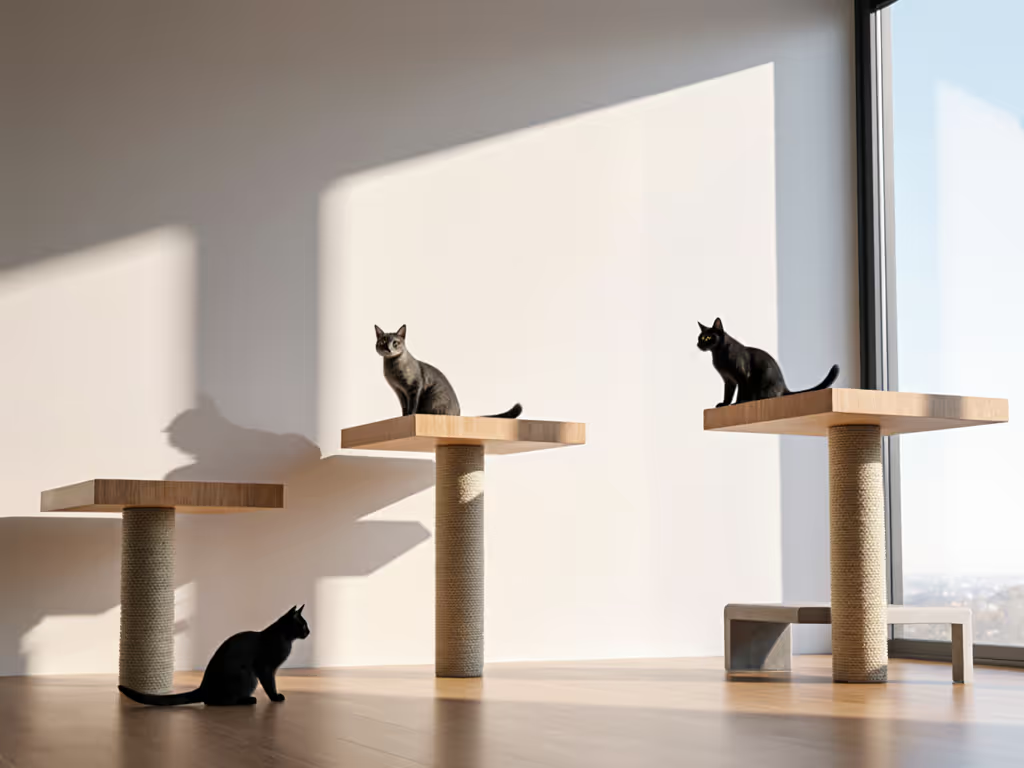
How do I integrate this with my existing home design without compromising aesthetics?
The beauty of modern smart glass cat furniture lies in its dual functionality: it serves both feline needs and human design sensibilities. Unlike bulky cat trees that dominate living spaces, these systems can be seamlessly incorporated into your existing architecture:
- Window cornices that transform into gradual perching zones
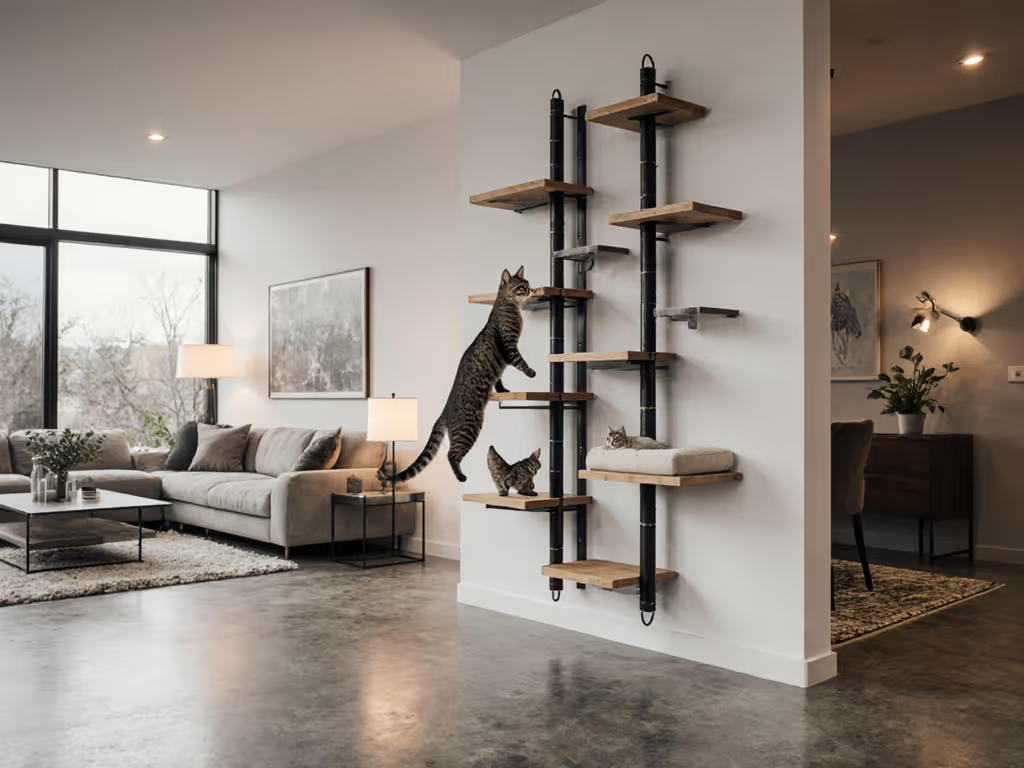
- Room dividers that serve as both privacy screens and climbing structures
- Shelving systems with integrated smart glass panels that provide both display space and feline pathways
This approach addresses the pain point of "ugly, bulky cat furniture" by creating pieces that guests might not even recognize as cat-specific until they see your feline enjoying them. The professional finish and clean lines satisfy your aesthetic requirements while meeting your cat's instinctual need for elevated observation points.
Design for tomorrow's body means anticipating how your cat's needs will evolve as they age. When Kiri's mobility declined, our strategically placed smart glass perches allowed her to continue enjoying window views without the visual stress that previously made her retreat. The gradual light transitions preserved her confidence in navigating our shared spaces.
Special Considerations for Feline Life Stages
How do these systems benefit senior or mobility-impaired cats specifically?
For cats with arthritis or limited mobility, the visual component of navigation is often overlooked. Poor contrast between surfaces can make it difficult for them to see where to place their paws safely. Adaptive window perch systems solve this by:
- Maintaining consistent contrast levels as light conditions change
- Eliminating disorienting glare that might cause hesitation or missteps
- Creating predictable thermal zones (since light levels correlate with warmth)
These factors combine to form what I call the "triple protection" for senior cats: visual clarity for confident movement, consistent traction regardless of lighting, and thermal comfort that supports joint health. When light conditions shift gradually rather than abruptly, cats don't experience the momentary confusion that can lead to slips or missed jumps, a critical consideration for aging felines. For step-by-step adjustments, try our senior cat furniture guide.
Comfort is design: gentle grades, predictable paths, minimal friction.
Are these solutions practical for multi-cat households with different needs?
Absolutely. The most sophisticated smart home cat environment setups recognize that different cats have varying light preferences based on age, coat color, and individual personality. Some cats prefer bright sunbeams while others favor shaded retreats.
The solution lies in creating layered environments where multiple light zones coexist:
- Bright zones with higher transparency for light-loving cats
- Transitional zones with mid-level opacity for sensitive eyes
- Privacy zones with full opacity for shy or stressed cats
This approach creates what behavioral scientists call "microhabitat diversity" within a single space, allowing each cat to select their ideal conditions without conflict or competition. For room layouts that minimize conflict, see our multi-cat vertical territory guide. It's particularly valuable in small-space living where traditional separation isn't possible.
The Verdict: Worth the Investment?
What's the real value proposition of smart glass cat spaces?
From an ergonomics-focused perspective, these systems deliver three cascading benefits:
- Improved feline well-being through reduced visual stress and more natural light regulation
- Enhanced human-cat harmony as cats exhibit fewer stress-related behaviors like inappropriate scratching or vocalization
- Long-term space optimization that avoids the need for multiple single-purpose cat furniture pieces
Unlike traditional cat furniture that becomes obsolete as your cat ages, dynamic light cat spaces adapt along with your feline family member. They represent the shift from "cat furniture" to "integrated feline architecture": pieces that serve dual purposes and maintain relevance throughout your cat's life stages.
Consider this realistic calculation: If you spend $1,200 on quality furniture that serves your cat from kittenhood through senior years, that's approximately $1.60 per month over a 60-year lifespan. Compare this to replacing multiple cheaper, single-purpose items that don't address evolving needs, the smart glass approach often proves more economical long-term while significantly enhancing quality of life.
The most compelling evidence comes from behavioral observation. When cats can move through their environment without visual surprises, they exhibit more natural behaviors: increased grooming, confident navigation, and consistent use of vertical territory. This aligns perfectly with the desired outcome of "a happy, stimulated, and well-behaved cat that exhibits natural, healthy behaviors."
Design for tomorrow's body means creating spaces that honor both your current aesthetic standards and your cat's future physical needs. Smart glass cat spaces aren't just a luxury: they're evidence-aware design that acknowledges the sophisticated sensory world of our feline companions while respecting the human need for beautiful, functional living spaces. When light becomes a responsive element rather than a fixed condition, both you and your cat gain a more harmonious home environment where happiness isn't compromised by glare or darkness.
Related Articles