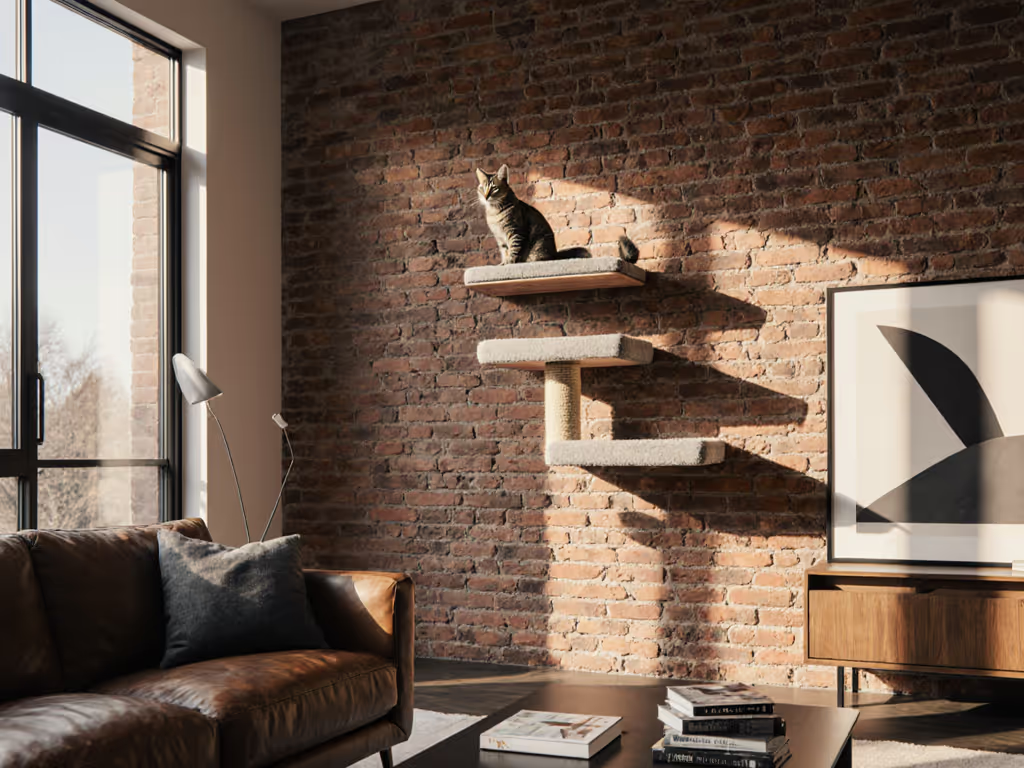
Wall Cat Furniture for Curved Spaces: Design Guide
By Nikhil Bhatt • 15th Mar
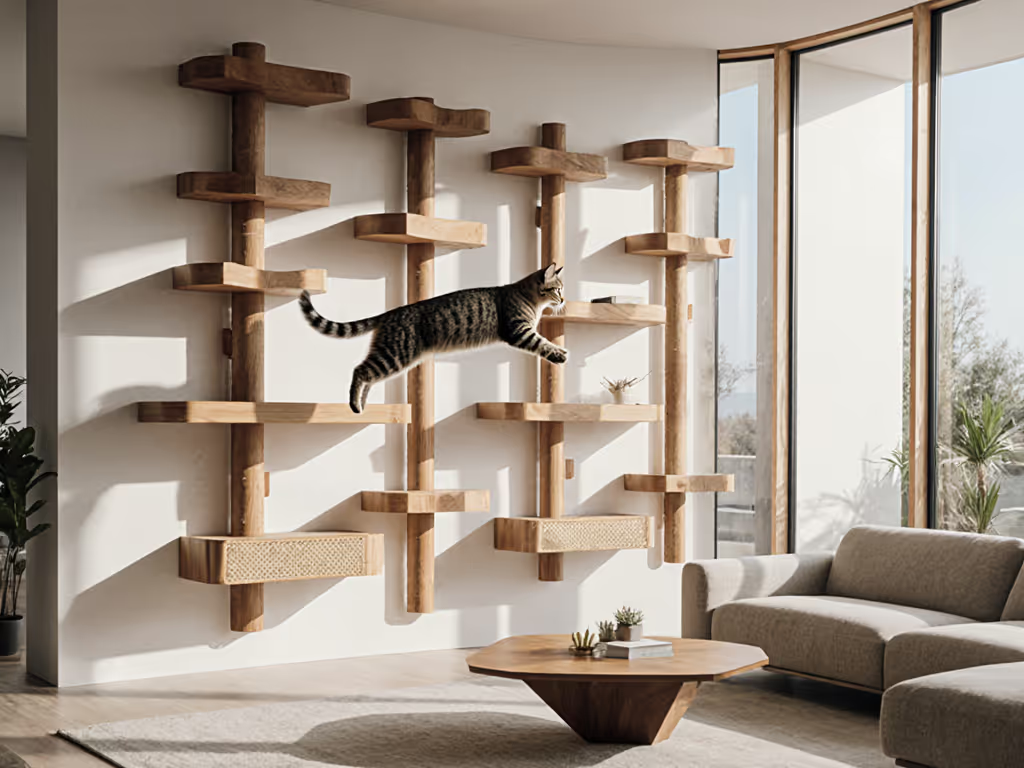
Integrating wall cat furniture into a curved or non-standard space requires thoughtful planning, but done well, it transforms a design constraint into an opportunity for a more natural, flowing vertical environment for your cat. The key is understanding how to work with your walls rather than against them, creating curved-space cat integration that feels organic to both your home and your feline's movement patterns.
Understanding Your Space and Your Cat's Needs
What Makes Curved Spaces Different for Cat Furniture Installation?
Curved walls, angled corners, and architectural quirks are common in older homes, converted spaces, and apartments with character. Unlike standard rectangular layouts, these spaces demand furniture that either follows the curve or bridges gaps predictably. A straight shelf anchored to a bulging wall can feel precarious, and cats sense instability before we do. The challenge isn't the curve itself; it's ensuring that your curved-space cat pathways feel secure, accessible, and worth exploring.
When walls aren't flat or perpendicular, mounting points shift, sight lines change, and the natural climbing routes your cat would choose become less obvious. This is where intentional design matters. Your furniture isn't just decorative; it's a physical conversation between your space and your cat's instincts.
How Do I Know If My Space Is Actually Suitable for Wall Furniture?
Before purchasing anything, assess three elements: wall condition, structural support, and your cat's mobility. Run your hand along the wall. Does it curve gradually or dip sharply? Gradual curves are more forgiving. Check for studs using a stud finder; many curved spaces have reinforced framing underneath, which is ideal. If you're renting, photograph the walls and confirm with your landlord that installation is permitted. For lease-friendly options that avoid wall damage, see our damage-free renter solutions.
Next, consider your cat's age and agility. Younger, athletic cats navigate non-linear vertical routes with confidence. Senior cats or those with joint concerns need predictable angles, secure handholds, and rest stops that don't require explosive jumps. I learned this firsthand when my senior cat, Kiri, developed arthritis (a steep shelf meant nothing to her unless there was a ramped transition below it). She needed comfort to be a function of access, not athletic ability.
Designing Pathways for Non-Standard Layouts
How Do I Create a Climbing Route When My Space Isn't Rectangular?
Start by mapping where your cat naturally gravitates: windowsills, the back of the couch, doorways. These are clues about their preferred sight lines and resting zones. In a curved space, you're not fighting geometry; you're choreographing movement along it.
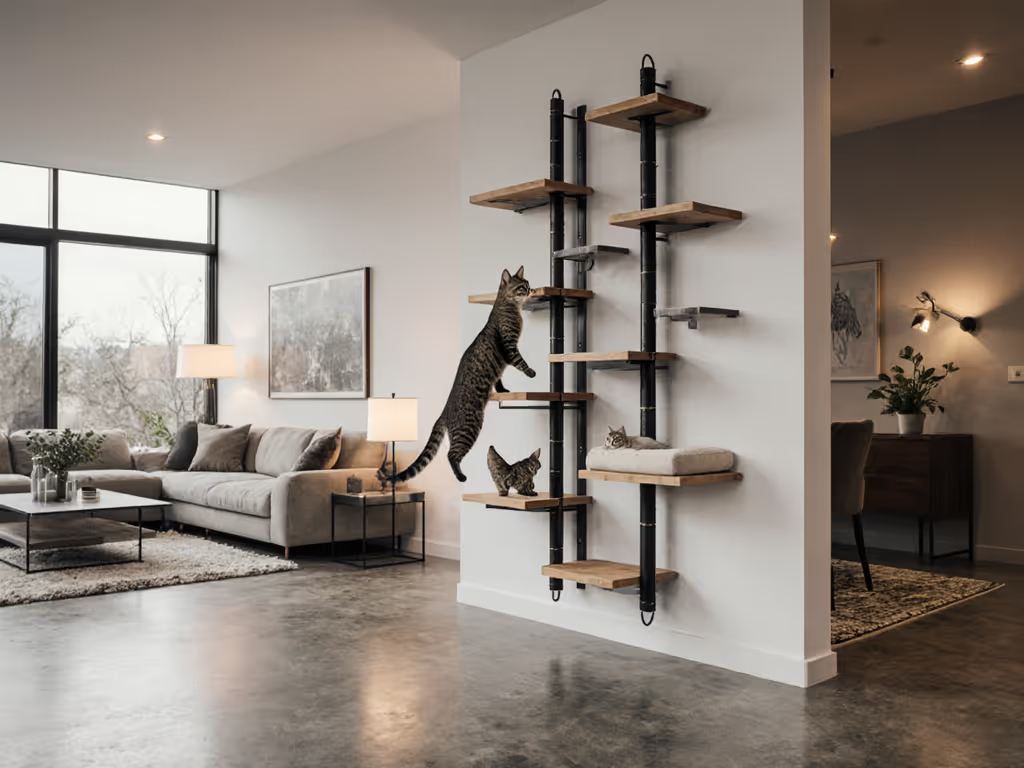
Begin with lower entry points. A curved space benefits from a stepped approach: low shelf, mid-level perch, elevated rest zone. Rather than forcing shelves to align perfectly, embrace staggered heights. This creates a rhythm that feels less rigid and more like a natural climbing progression. Products designed with curves built in (like those with gentle arc profiles) can actually enhance a curved wall because the furniture's lines echo the architecture rather than contradicting it.
For period home cat solutions with ornate baseboards, niches, or uneven plaster, floating shelves work better than tall, free-standing trees. They work around obstacles and adapt to the wall's actual topography. Mount shelves 12 to 18 inches apart vertically; this matches a cat's comfortable jumping distance and gives them choices without overwhelming them.
Should I Use One Continuous Design or Multiple Pieces?
Modular cat wall systems shine in curved spaces. A continuous shelf might look stunning in a catalog but struggle to follow an organic wall curve. Instead, use unique cat furniture built from individual, repositionable components: separate shelves, bridges, and ramps that you can arrange based on your space's actual dimensions.
This approach also solves a real problem: as your cat ages or their needs shift, you can adjust. If Kiri had had a modular setup, I wouldn't have had to replace everything when her arthritis progressed; I'd have simply reconfigured what existed. Modular systems also let you mix materials (wood, sisal, soft landing zones), creating visual variety while maintaining a cohesive aesthetic.
Material and Safety Considerations
What Materials Work Best in Curved Spaces?
Choose materials that are forgiving and traction-friendly. Solid wood or bamboo absorbs wall imperfections better than metal or plastic, which can feel cold and unstable if they're not perfectly level. Textured surfaces (berber carpet, natural fiber wrapping, or soft rubber grips) prevent slipping, especially on curved transition zones where a cat's approach angle isn't vertical.
Be mindful of noise. Thin materials rattle or creak when weight shifts, which makes anxious cats hesitant to use them. Quality construction with dense materials signals security to your cat, even if they can't articulate why. Design for tomorrow's body: assume your cat will age on these shelves, so every surface should accommodate less-confident movement.
How Do I Ensure Safety on Non-Standard Walls?
Wall studs are your foundation, period. In curved spaces, locate studs with precision, not at the theoretical 16 inch interval, but where they actually are. Curved walls sometimes hide reinforcement in unexpected places. Once you've found studs, use heavy-duty anchors rated for at least twice your cat's weight plus dynamic load (the impact of landing). For tested anchoring methods and DIY load tests, follow our safety testing guide.
After installation, test stability with firm pressure (not by jumping on it yourself, but by applying steady weight and checking for flex). A slight give is normal; movement is not. Most quality cat furniture can hold 85+ pounds per mounting point; this isn't about your cat's actual weight; it's about safety margin and durability.
Addressing Real-World Challenges
What If My Curved Space Is Too Tight for Traditional Cat Furniture?
Tight spaces are actually an advantage. They give your cat a sense of enclosure, which many find soothing. Instead of a sprawling tree, use curved wall-mounted beds and compact shelves. These provide private perching without claiming floor space (a critical concern for apartment dwellers and those in smaller homes).
Consider corner solutions. A curved corner becomes a natural nesting spot for a low, crescent-shaped shelf. Your cat gets security; your room stays open. Bridges connecting two perpendicular walls can create an overhead pathway that feels like a secret route.
How Do I Maintain a Curved Wall Setup and Keep It Clean?
Fabric-covered shelves in tight spaces can trap dust and cat hair. Prioritize designs with easily removable, washable coverings (berber carpet inserts and faux fur that unzip or detach). This matters more in curved spaces where airflow can be limited.
For high-traffic zones, consider bare wood or sealed bamboo with area-specific cushions or washable pads. This gives you flexibility: swap out one pad for cleaning while keeping the furniture in place. For material-specific care tips that extend lifespan, see our cleaning guide. It's a small shift that makes long-term maintenance realistic rather than frustrating.
Getting Started with Your Curved Space
What's the First Step to Designing a Curved Space Solution?
Measure, photo-document, and locate studs. Take multiple photos of your curved wall from different angles, distances, and lighting conditions. These images will be invaluable when shopping or consulting with manufacturers about what's feasible.
Next, sketch a rough climbing path: where would you like your cat to enter, rest, and exit? Mark potential mounting points. This doesn't need to be architectural, just clear enough to guide your decisions.
Then, research modular or flexible systems specifically designed for non-standard spaces. Read reviews from others in similar homes, particularly period or rental properties. Real experiences reveal whether a product adapts well or expects perfect walls.
How Do I Choose Between DIY Assembly and Professional Installation?
If you're comfortable with studs, drilling, and level-checking, DIY is absolutely viable and saves money. Most quality cat furniture comes with clear instructions and hardware. The hardest part, as manufacturers often note, is deciding where to place things (not the actual installation).
If your curved space involves complex angles, multiple materials, or you're unsure about stud location, professional installation is worth the cost. It ensures safety and gives you confidence that your cat's environment is secure. This is especially important if you're renting and concerned about wall restoration later.
Comfort Is Design
Your curved space isn't a limitation; it's an opportunity to create a thoughtfully integrated environment that honors how your cat actually moves and rests. When wall furniture follows the logic of your home's architecture, rather than fighting it, both you and your cat benefit. Your space flows better, feels less cluttered, and your cat gets pathways that feel natural and accessible.
Start with an honest assessment of your walls, your cat's mobility, and your aesthetic priorities. Choose materials and designs that prioritize safety, traction, and ease of maintenance. Then, bring those shelves and perches into conversation with your curves, and watch your cat claim a vertical world that feels like it was always meant for them.
Your next step: Measure and photograph your curved space this week. Locate wall studs, note any obstructions, and sketch where you'd like your cat's climbing route to begin and end. With those details in hand, you'll be ready to explore the modular and curved-space-friendly options available, confident that whatever you choose will fit both your home and your cat's needs.
Related Articles