Cat Window Perch Types Matched To Architectural Windows
By Sofia Petrovic • 16th Jan
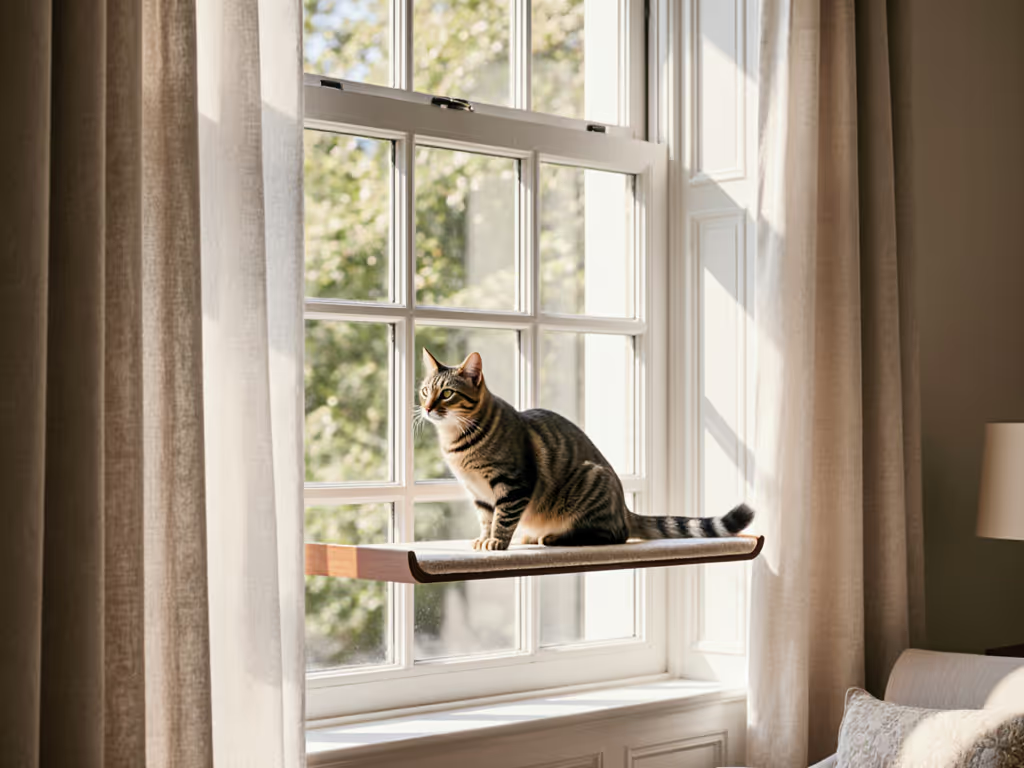
When your home's architecture meets your cat's instincts, the right window type cat furniture comparison becomes essential. Understanding how architectural window cat spaces align with your feline's needs isn't just about aesthetics, it's structural harmony. As someone who builds cat furniture that lasts decades, I've learned that window-specific mounting solutions must balance safety, architectural integrity, and feline joy. Forget one-size-fits-all perches; today's guide walks you through matching cat window perch designs to your home's unique window architecture, ensuring your solution doesn't compromise either your home's character or your cat's safety.
Step 1: Diagnose Your Window Type With Architectural Precision
Architectural windows vary dramatically in construction, materials, and mounting capabilities. Before selecting any cat window perch, you must analyze your window's physical characteristics:
Identifying Key Window Architecture Features
- Window frame material: Wood, vinyl, aluminum, or composite
- Opening mechanism: Double-hung, casement, awning, sliding, or fixed
- Sill depth: Less than 2", 2-4", or 4+ inches
- Glass configuration: Single-pane, double-pane, or triple-pane
- Weight-bearing capacity: Critical for mounting hardware
"Budget the years, not the month"
This diagnostic approach matters because a misaligned perch can damage historic wood frames or compromise energy efficiency in modern thermal windows. For reversible techniques that protect millwork, see our historic home solutions. For instance, I once worked with a client in a Craftsman bungalow whose thick wood sills could support a bolted wooden platform, while her friend in a modern high-rise needed non-invasive solutions for their fragile aluminum frames.
Step 2: Match Window Architecture with Safety-First Mounting Solutions
Your window's architecture dictates what mounting approach will work without compromising window safety considerations. Let's break down the most common architectural scenarios:
Traditional Double-Hung Windows
Characterized by vertically sliding sashes and sturdy wooden frames, these common architectural features offer multiple mounting options:
- Sill-mounted platforms: Utilize the deep sill as a foundation
- Frame-clamping systems: Non-drilling solutions that grip the vertical frame
- Through-bolted installations: For permanent setups on solid wood frames
Critical safety metric: Ensure clamping pressure doesn't warp sashes. I've seen too many cases where over-tightened clamps prevented windows from opening, creating a fire hazard during emergencies.
Bay and Bow Windows
Bay window cat integration requires special attention to angles and structural support:
- Angled mounting brackets: Customize to match the bay's pitch
- Center-support systems: Distribute weight away from fragile glass sections
- Floor-to-ceiling solutions: For deep bays with minimal sill space
Key consideration: Bay windows often have multiple glass panes with varying weight capacities. Never mount a perch to the weakest pane, usually the stationary ones that aren't designed to bear additional load.
Modern Slider and Fixed Windows
These minimalist architectural features present unique challenges:
- Suction-cup systems: Only viable for smooth, non-textured glass
- Magnetic mounting: For metal-framed windows (check with a magnet first)
- Adhesive mounting: Requires professional-grade industrial adhesives
Warning: Most modern windows use tempered glass that shatters completely if penetrated. Learn which mounting systems are safest in our drill-free vs drilled comparison. Never drill into these panes for mounting, opt for frame-mounted solutions instead.
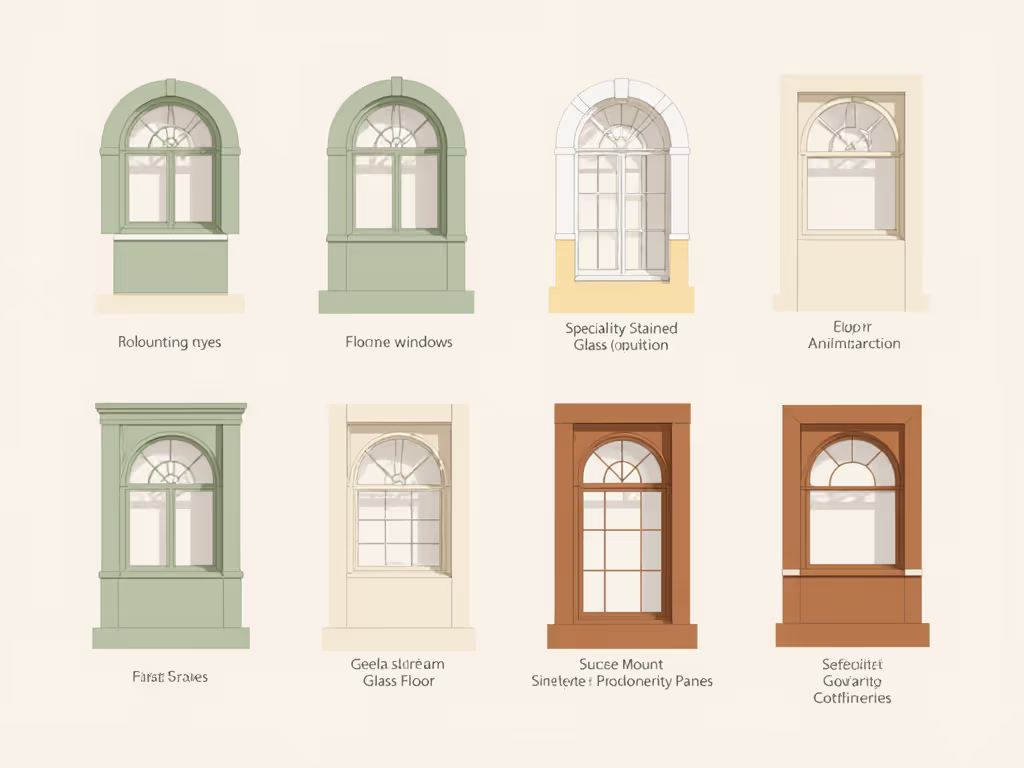
Historic and Specialty Windows
Stained glass, wavy antique glass, or arched windows require custom approaches:
- Perimeter mounting: Attach solely to the surrounding frame
- Free-standing solutions: Place on floor with strategic positioning
- Ceiling-mounted options: For windows with no viable mounting points
Step 3: Evaluate Material Compatibility With Your Home Environment
Materials matter beyond aesthetics, they affect longevity, safety, and environmental impact. As my own journey building that first apartment cat structure taught me, the right materials become the foundation for decades of use.
Environmental Factors That Impact Material Selection
| Factor | Ideal Materials | Problematic Materials |
|---|---|---|
| Direct Sunlight | UV-stable acrylics, teak | Pine, low-quality plastics |
| Humidity | Cedar, marine-grade plywood | Particle board, MDF |
| Temperature Swings | Aluminum alloys, stainless steel | PVC, cheap plastics |
| Renters | Modular PVC, lightweight aluminum | Anything requiring permanent installation |
"Spend with intention; let materials and modularity do the work."
Three years after building that first maple-and-sisal structure, I moved apartments and reconfigured it in an afternoon, proving that pragmatic choices pay dividends. Renters can find non-invasive setups in our damage-free renter guide. When selecting materials, always calculate the lifecycle cost: that $30 plastic perch might seem thrifty today, but when it cracks in six months, you've actually spent more than investing in a $75 wooden platform that lasts 10 years.
Step 4: Customize Your Perch Design for Feline Behavior Patterns
Understanding your cat's window-watching habits transforms a basic perch into an enriching architectural feature. Track your cat's behavior for three days:
- Active observation periods: Morning, afternoon, evening
- Preferred viewing angles: Straight ahead, upward, or downward
- Body positions: Full stretch, curled up, or upright alert
- Duration: Brief glances or hours-long sessions
Architectural Perch Solutions for Common Behaviors
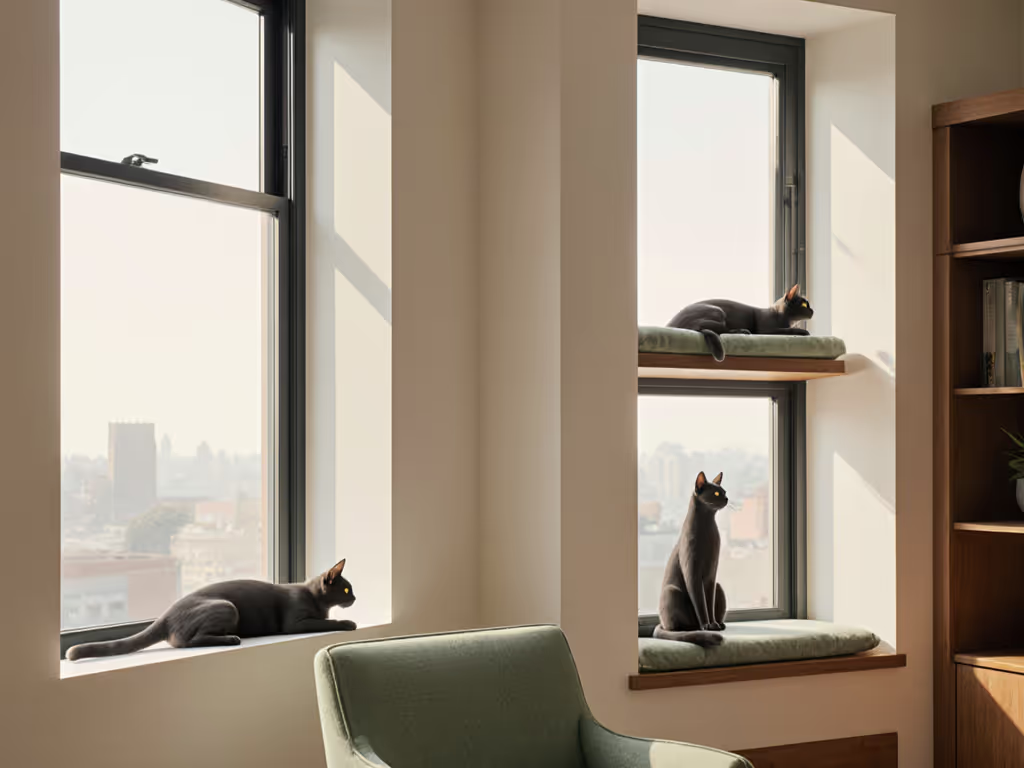
- The Patient Observer: Cats who watch birds for extended periods need deep, cushioned perches at eye level
- The Intermittent Glancer: For cats who make brief window visits, a simple narrow ledge suffices
- The Sunbather: Requires angled platforms that capture low-angle sunlight throughout the day
- The Multi-Cat Household: Necessitates tiered designs that accommodate multiple vantage points
Step 5: Implement Modular Solutions for Long-Term Adaptability
Architecture evolves, cats age, and needs change. Your window perch solution must accommodate these shifts through thoughtful modularity.
Design Principles for Adaptable Architectural Perches
- Interchangeable components: Cushion covers that swap for seasonal changes
- Expandable platforms: Sections that clip together for growing households
- Height-adjustable systems: To accommodate kittens becoming adults
- Multi-functional elements: Platforms that convert to storage when not in use
In my own home, I've used the same maple structure through three apartments by simply adjusting the mounting brackets and reconfiguring the steps, a testament to designing for longevity rather than quick fixes. True sustainability means creating spaces that evolve with your life, not just your current apartment layout.
Step 6: Conduct Your Final Safety Assessment
Before permanent installation, verify your solution addresses all critical safety factors.
Window-Specific Safety Checklist
- Glass integrity: No drilling unless absolutely necessary and structurally sound
- Weight distribution: Even load across mounting points
- Emergency access: Perch doesn't block window operation during fire emergencies
- Cat clearance: Minimum 3" gap between perch and window edge to prevent falls
- Material stability: No off-gassing VOCs that could concentrate in sealed windows
Remember: A perch that looks beautiful but compromises safety serves no one. When in doubt, consult a professional who understands both architectural structures and feline behavior. For step-by-step testing methods and anchoring standards, see our safety testing guide.
Final Thoughts: Creating Truly Integrated Architectural Solutions
The perfect cat window perch isn't just furniture, it's architectural integration that enhances both your home and your cat's quality of life. By matching perch designs to your specific window architecture, you create solutions that feel intentional rather than tacked-on, beautiful rather than utilitarian.
This approach turns what many see as a constraint (your window's unique architecture) into a design opportunity. When your cat's perch complements your home's character while meeting their instinctual needs, everyone wins: your cat gets enriched living space, your home maintains its aesthetic integrity, and you gain peace of mind knowing your solution will last.
Before purchasing or building, take time to measure, analyze, and consider how your choice will perform over years, not just months. Consider visiting local architectural salvage yards for reclaimed wood or metalwork that could transform into custom perches. For window-specific shelf ideas and sun safety, explore window sunbathing shelves. For more detailed guidance on specific window types, I've compiled additional resources on matching cat furniture to historic homes versus modern architecture, your perfect solution is waiting to be discovered.
Related Articles