CKD Cat Furniture: Supporting Kidney Health
By Sofia Petrovic • 11th Mar

When your cat receives a chronic kidney disease (CKD) diagnosis, the conversation typically centers on diet, medication, and veterinary protocols. What often gets overlooked is how your physical environment (and the furniture within it) becomes part of the treatment plan. CKD cat furniture and chronic kidney disease cat spaces aren't aesthetic luxuries; they're functional interventions that directly support your cat's daily comfort, hydration, and stress management during a vulnerable time.
Kidneys in decline require less physiological demand overall, but they demand everything from their environment. A cat struggling with CKD needs spaces that minimize stress, facilitate frequent rest, enable easy access to hydration, and reduce the energy tax of simply navigating their home. Here's the pragmatic truth: the right furniture layout can reduce your cat's daily suffering. The wrong setup can worsen it.
I've built cat furniture for over a decade using reclaimed materials and modular logic. When I first faced designing for a kidney-compromised cat, I realized my entire design philosophy (modularity, durability, easy-to-clean surfaces) aligned perfectly with CKD management. That same salvaged maple frame and sisal wrapping from my own cat's tree still functions years later because it was built to adapt and endure. Kidney disease demands the same approach: budget the years, not the month.
1. Hydration-Promoting Furniture Placement as Primary Strategy
Hydration is the cornerstone of CKD management, and furniture placement directly influences your cat's access to water.[1] Cats with CKD produce dilute urine and lose concentrating ability; they must compensate by drinking more. Yet cats are notoriously reluctant drinkers. Traditional setup places a water bowl in a corner of the kitchen, isolated, static, easy to ignore.
Rethink water as a design problem, not a supply problem. Position furniture to create natural "water stations" throughout your home at varying elevations. Cats with CKD often suffer fatigue and mobility reluctance; water should require minimal navigation. Consider these placement principles:
-
Elevated water access near resting furniture: Place water sources at platform height, not floor level. A cat recovering on a low perch shouldn't need to descend full-height to hydrate. Modular shelving units or stepped platforms keep water within arm's-reach (or paw-reach) of prime resting zones.
-
Multiple water stations at cat height: If your cat has a favorite perch or window seat, locate a water source within 3-4 feet. Cats with CKD conserve energy; convenience wins compliance. Research confirms that cats with CKD who have unlimited access to fresh water show better outcomes.[2]
-
Water proximity to feeding furniture: Many caregivers now place water and food adjacent rather than in separate rooms. Pair a low-profile feeding platform with water access at the same level to reduce energy expenditure between eating and drinking. If you need ideas that look good and keep bowls stable, see our decorative feeding station comparison.
Furniture that doesn't facilitate hydration access is, functionally, furniture working against your cat's medical protocol.
2. Comfort Furniture: Temperature, Texture, and Recovery Zones
Cats with CKD experience increased fatigue and sensitivity to stimuli.[1] They are not being difficult; they are managing pain and metabolic stress. Furniture design becomes therapeutic architecture.
Temperature regulation matters profoundly. Unlike younger cats, kidney-compromised felines struggle to maintain body temperature and crave warmth.
-
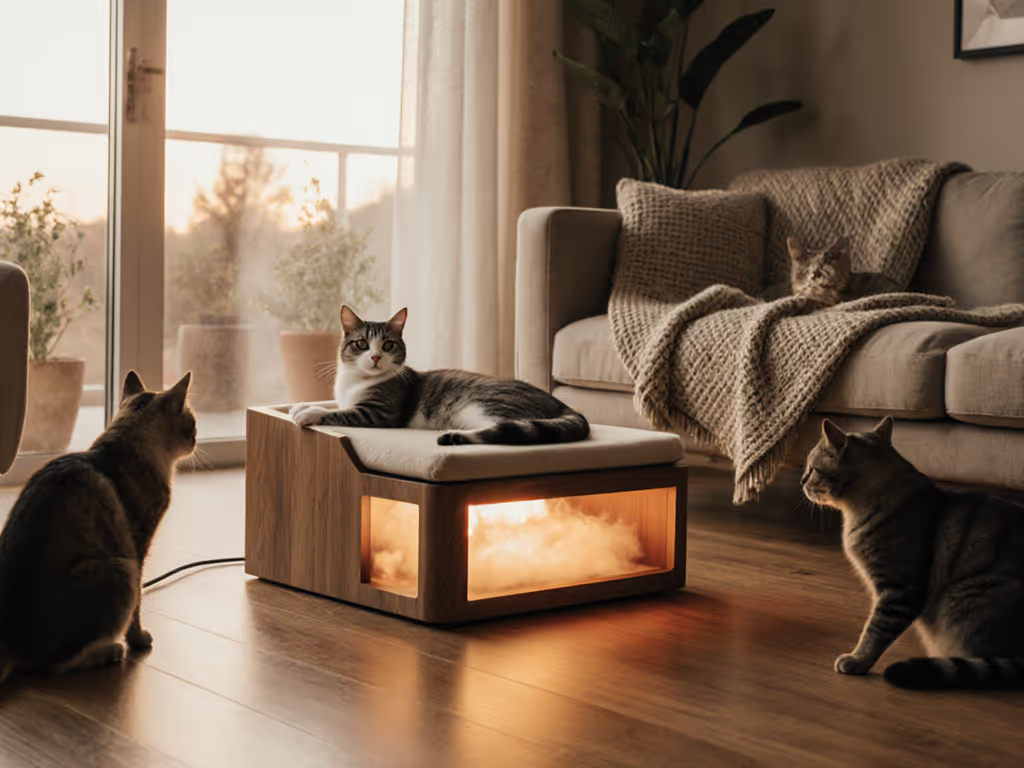
Heated perches and platforms: Heated cat beds attract cats with CKD dramatically. For product safety and temperature data, read our heated bed lab review. Orthopedic or memory-foam platforms retaining warmth create micro-climates of comfort. Avoid fabrics that trap moisture or heat unevenly; opt for machine-washable, breathable covers in light colors to monitor any discharge or accidents without aesthetic panic.
-
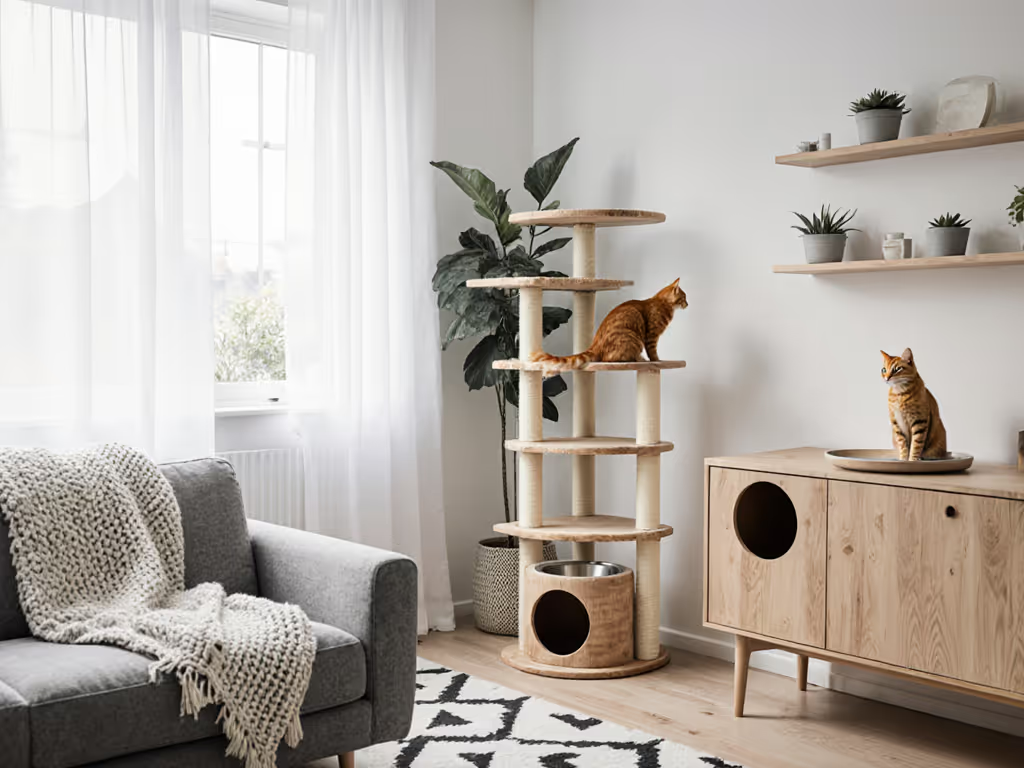
Layered rest zones: Design furniture with graduated vertical options (low cushioned beds, mid-level shelves, and elevated perches). A fatigued cat will choose the least-demanding option. Multiple heights let them rest at varying metabolic costs throughout the day.
-
Texture intentionality: Rough, clingy fabrics irritate sensitive skin and trap urine odor if accidents occur (common in CKD). Choose smooth, wipeable surfaces: washable microfiber, outdoor-grade upholstery, or sealed wood. Water-based finishes ensure low VOC off-gassing; sick cats breathe every molecule of their environment.
3. Low-Stress Furniture for Illness: Accessibility and Predictability
Stress directly worsens kidney function[1], and a poorly designed home environment amplifies daily stress exponentially. Furniture layout is behavioral architecture.
Cats with CKD need escape routes and predictability. Design furniture clusters that allow safe passage without forced social interaction:
-
Enclosed or semi-enclosed resting furniture: Tunnel beds, covered shelves, or partially enclosed perches create psychological safety. Your cat needn't be on display while ill; covered spaces reduce sensory bombardment and provide security.
-
Accessible litter box furniture: The litter box becomes medical infrastructure. Furniture placement matters. Position it near resting zones, away from food and water, with clear approach pathways. Elderly or fatigued cats struggle with large boxes or difficult-to-navigate lids. Consider open, low-profile litter furniture with ramps or steps if your cat has mobility challenges. Research shows that stress from difficult bathroom access directly impacts CKD outcomes.[1]
-
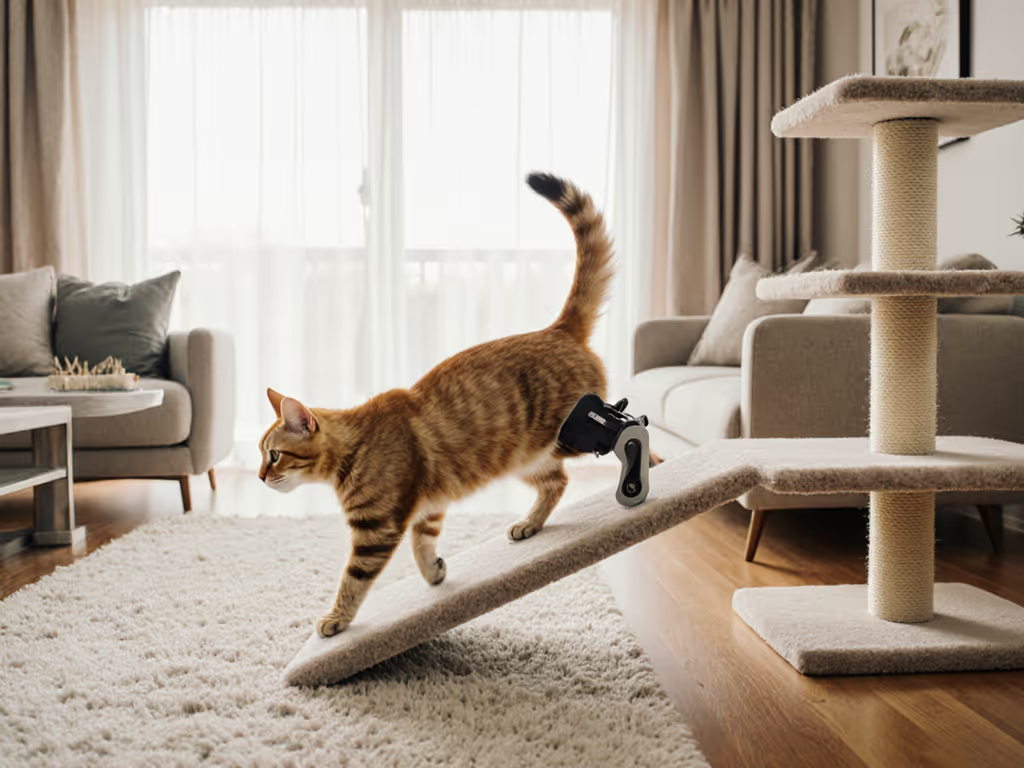
Furniture that minimizes vertical demands: While climbing is natural feline behavior, a cat in metabolic decline may avoid it. For low-height ramps and joint-friendly setups, see our guide to senior cat furniture for arthritis. Design mixed-height furniture that doesn't demand acrobatic effort: gradual ramps, shallow steps, or furniture clusters with gentle transitions instead of vertical jumps.
-
Quiet zones far from appliances: Refrigerators, washers, and loud household systems create stress. If your furniture placement allows, position your cat's primary resting area away from noise hubs. This isn't luxury; it's medical necessity.
4. Disease-Specific Enrichment Design Without Metabolic Burden
The assumption that enrichment must be active is precisely wrong for kidney disease. Enrichment for a CKD cat means engagement within low-exertion parameters.
Stimulation without exhaustion redirects destructive behavior while respecting metabolic reality:
-
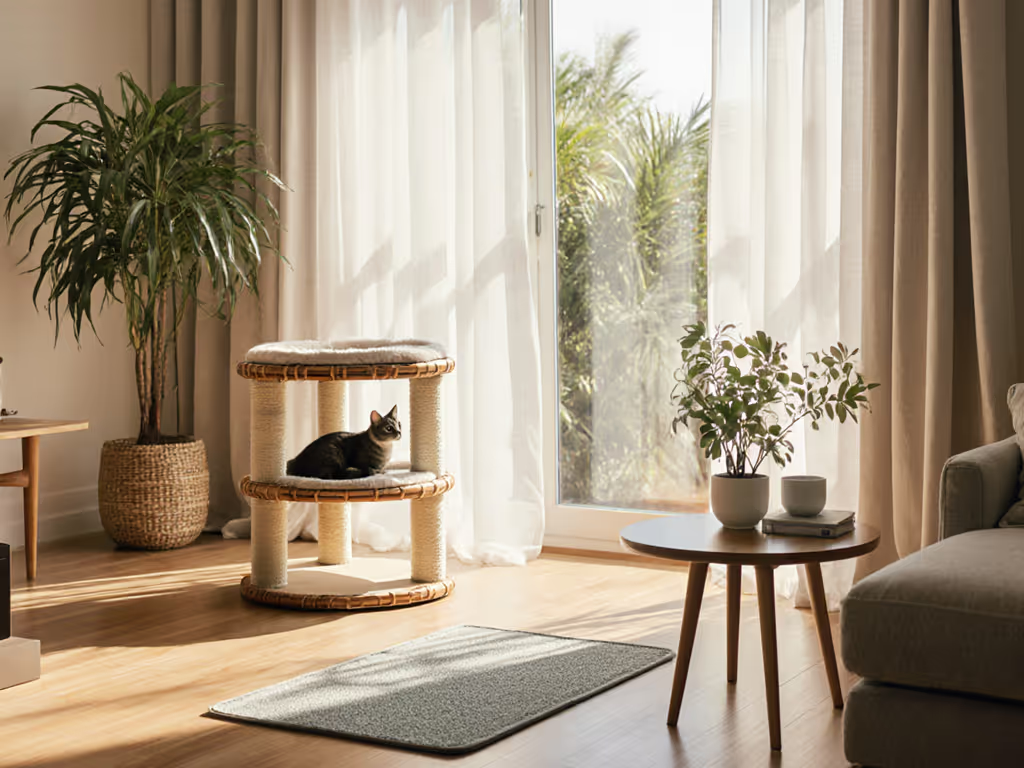
Window perches as primary enrichment: Cats watch birds, bugs, and weather changes for hours without metabolic cost. Elevated window furniture (shelves, mounted pads, or cat-specific window perches) provides visual enrichment effortlessly. Your furniture becomes a viewing platform, not a gym.
-
Textured surfaces for scratching: Scratching isn't optional behavior; it's physical necessity. Provide low-energy scratching surfaces, vertical posts, horizontal pads, or angled boards, positioned near resting furniture. A cat shouldn't need to traverse the entire house to scratch. Use sustainably sourced sisal, jute, or corrugated cardboard that are easily replaceable. Worn scratching surfaces remain functional; they're also proof of use, not failure.
-
Tactile exploration furniture: Furniture with varied textures (smooth wood, woven elements, soft fabric) invites gentle investigation without demanding play. A woven storage basket doubles as enrichment and hiding space.
-
Modular reconfiguration as novelty: A truly sustainable piece adapts. Modular furniture can be rearranged monthly or seasonally, creating novelty and preventing boredom without purchasing new pieces. This aligns perfectly with Feline renal health support (low-cost, low-waste, low-stress environmental enrichment).
5. Durability and Repairability: Building for the Long Term
Furniture for a chronically ill cat must last through changing needs and potential accidents. This is where commercial cat trees often fail catastrophically.
Spend with intention; let materials and modularity do the work. Premium cat furniture isn't premium because of marketing (it's premium because it survives years, multiple uses, and can be repaired part-by-part).
-
Solid wood construction over particleboard: Solid wood (oak, maple, birch) withstands urine exposure better than pressed composite. It also accepts repair (a damaged wooden post can be refinished; particleboard, once saturated, is landfill).
-
Replaceable components: Purchase furniture with replaceable scratching surfaces, removable cushions, and modular shelving. If a platform is damaged, you replace the platform, not the entire unit. This is cost-effective and sustainable.
-
Easy-to-clean finishes: Water-based stains and varnishes allow you to wipe down surfaces immediately after accidents. For material-specific care tips (sisal, carpet, wood), use our cat furniture cleaning guide. Fabric covers must be removable and machine-washable. Sealed surfaces prevent urine penetration, critical for long-term odor and structural integrity.
-
Transparent material sourcing: Know what your furniture contains. Off-gassing from low-quality adhesives or finishes burdens already-compromised kidneys. Sourced-wood furniture or reclaimed materials eliminate that risk entirely. A cat lying on salvaged maple all day inhales cleaner air than one on new particle board off-gassing volatile organic compounds.
Budget the years, not the month (this principle is non-negotiable when managing chronic illness).
6. Multi-Cat Dynamics and Individual Accommodation
Many households have multiple cats with varying health statuses. Furniture design must accommodate peaceful coexistence without forcing sick cats into hierarchy stress.
-
Separate resting zones at equal status: Design furniture clusters that allow each cat a defined zone without one dominating or excluding another. Cats with CKD shouldn't feel pressured to defend territory if another cat claims the best warm spot.
-
Vertical separation for conflict reduction: Stacked or tiered furniture lets dominant cats claim height while kidney-compromised cats rest below without tension. Height becomes preference, not dominance.
-
Escape routes and seclusion: A cat with CKD should have a retreat zone where healthy cats can't intrude. This isn't cruel; it's essential for stress reduction and medical management.
7. Monitoring Quality of Life Through Furniture Usage Patterns
Your cat's furniture behavior becomes diagnostic data. Observation is your daily health assessment.
Track these behavioral markers:
- Resting location preferences and frequency (increasing lethargy signals decline)
- Water access correlation with drinking (do cats use water near favorite perches?)
- Litter box usage patterns and output (your cat's toilet sits in furniture; watch closely)
- Scratching frequency and intensity (reduced scratching can signal pain or depression)
- Window perch time (engagement level reflects overall well-being)
- Climbing or jumping hesitation (indicates mobility or pain changes)
Write these observations down.[1] Share them with your vet. If you prefer automated tracking, consider AI behavior-monitoring furniture that flags subtle changes early. If furniture use reveals that your cat avoids the second floor entirely, that tells you about pain management. A cat suddenly claiming the heated perch 16 hours daily tells you something's shifted. You're not just observing furniture use; you're conducting continuous health monitoring.
8. Budget Allocation: Quality, Longevity, and Transparent ROI
Design-conscious pet owners often feel torn between investment and guilt over spending on "just a cat." Reframe the math.
A $400 modular cat furniture unit lasting 8+ years with replaceable parts costs approximately $50 per year. A $120 particle-board tree replaced every 2 years costs $60 per year, and generates waste. The premium option is actually more economical when calculated across the cat's lifespan.
For a cat with CKD, this calculation becomes medical: proper furniture directly supports treatment and quality of life. Your vet's special kidney diet costs roughly $40-60 monthly. Furniture supporting hydration access, stress reduction, and comfortable positioning is part of that same treatment protocol, not decorative overhead.
Budget allocation suggests:
- 40% to primary resting/perching furniture (the daily-use core)
- 25% to hydration and feeding furniture (medical infrastructure)
- 20% to enrichment and activity surfaces (psychological health)
- 15% to modular components and replaceable elements (sustainability and adaptability)
This distribution ensures every dollar supports actual health outcomes, not aesthetic excess.
9. Sourcing Materials: Transparent Supply and Second-Life Options
Sustainability isn't greenwashing; it's logistics. Reclaimed and repurposed materials often outperform new options and cost less.
-
Salvage yards and renovation surplus: Hardwood flooring, dimensional lumber, and architectural elements from renovation projects are structurally superior and price-accessible. That salvaged maple I used eight years ago cost 60% less than new dimensional lumber and was stronger.
-
Estate sales and second-hand furniture: A vintage wooden bookshelf becomes a modular cat furniture platform. Cloth doesn't matter; solid structure does. Refinish it with low-VOC varnish and customize shelves for cat-specific dimensions.
-
Local woodworkers and craftspeople: Commission a custom, modular piece from a local maker. You pay for craftsmanship and material transparency, knowing exactly what's in the adhesives, finishes, and structure. This supports your community and ensures medical-grade safety for a chronically ill animal.
-
Material transparency: Whether purchased or salvaged, verify that finishes, adhesives, and paints are non-toxic. CKD cats have compromised detoxification capacity; off-gassing matters profoundly.
Actionable Next Steps: Building Your CKD-Supportive Home
Week 1: Environmental Audit Map your current home layout. Where are water sources relative to your cat's primary resting spots? How many steps to the litter box? Is there vertical furniture your cat avoids? Are there noise zones (appliances, activity) near primary resting areas? Write this down, it's your baseline.
Week 2: Identify Structural Gaps Based on your audit, identify what's missing: inadequate water access, missing elevated resting zones, high-stress areas, inaccessible enrichment. Prioritize based on CKD care priorities: hydration access first, then comfort, then enrichment.
Week 3: Material Sourcing and Design Determine whether you'll commission, purchase, or build/repurpose. If building, source solid wood and low-VOC finishes. If purchasing, research modular, replaceable-component options. If repurposing, inspect structural integrity and plan refinishing with safe materials.
Week 4: Implementation and Observation Install new furniture thoughtfully. Don't revolutionize overnight; add one major piece at a time and observe behavior changes. Track your cat's usage patterns, water access, and activity shifts. This data guides future adjustments.
Month 2+: Adaptation and Maintenance Set a monthly furniture audit schedule. Clean, inspect for urine saturation, and verify all components function. As your cat's CKD progresses, adapt furniture height and access gradually. A truly modular system allows this without replacement.
Sustainability is durability plus joy, not deprivation. The furniture supporting your cat's kidney health should be beautiful enough that you enjoy your home and functional enough that your cat thrives in it. That's not a compromise; it's the entire point.
Related Articles