Heated Cat Beds: Thermal Safety on Radiant Floors
By Keiko Tan • 19th Mar
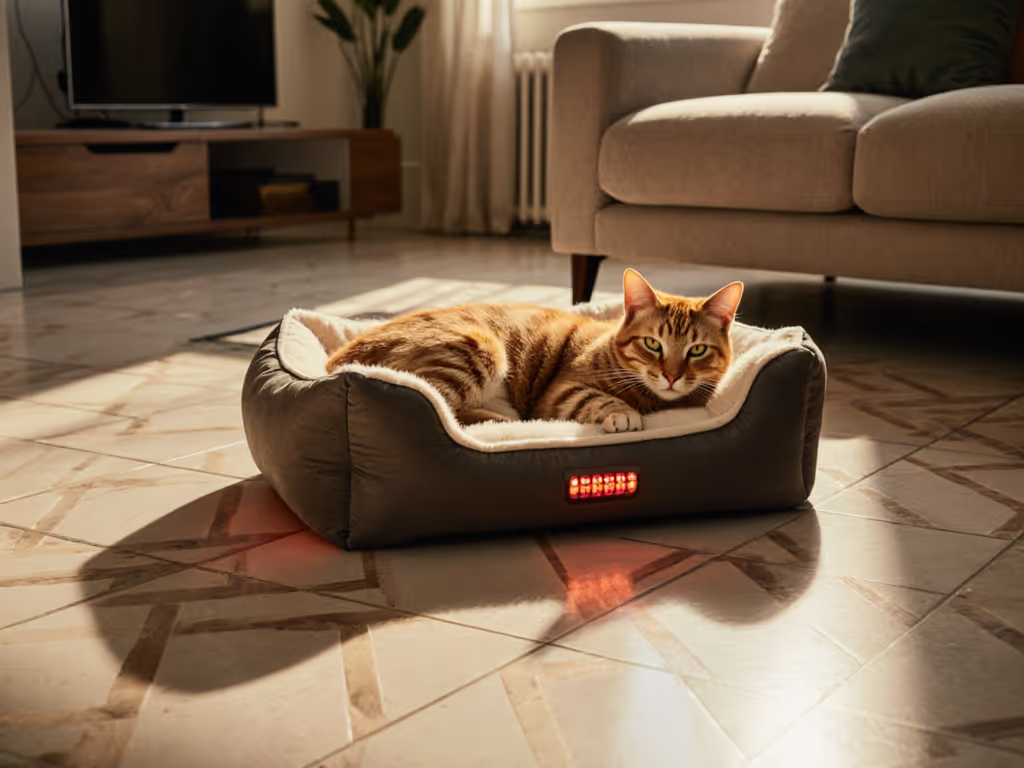
Heated cat beds address a real comfort gap for indoor felines, especially seniors and cats in cool climates. But here's the critical question every responsible owner asks: Is the warmth reliable? Is it safe to leave plugged in? Most importantly, does the heating technology match your home's existing warmth systems, like bathroom radiant heat or infrared floor heating?
This guide walks through the engineering behind thermal conductivity in cat spaces, compares heating methods head-to-head, and gives you the rigorous checklist you need to choose wisely. Safety first; then style, then everything else falls into place.
How Do Heated Cat Beds Actually Work?
Self-Heating Beds: Passive Thermal Reflection
Self-heating beds rely on a thin reflective thermal layer (much like emergency mylar blankets) that radiates your cat's own body heat back at them. There's no electricity involved, no thermostat, no ongoing cost. The mechanics are straightforward: your cat's natural body temperature of 102 degrees Fahrenheit bounces off the metallic interior and creates a warm micro-environment.
Advantage: No power draw, no electrical hazards, no moving parts to fail.
Limitation: Effectiveness caps out at your cat's own body temperature. On a 50-degree day, that bed will never exceed 102 degrees (which may not feel warm to the touch to you, but feels adequate to your cat).
Electric Heated Beds: Active Temperature Control
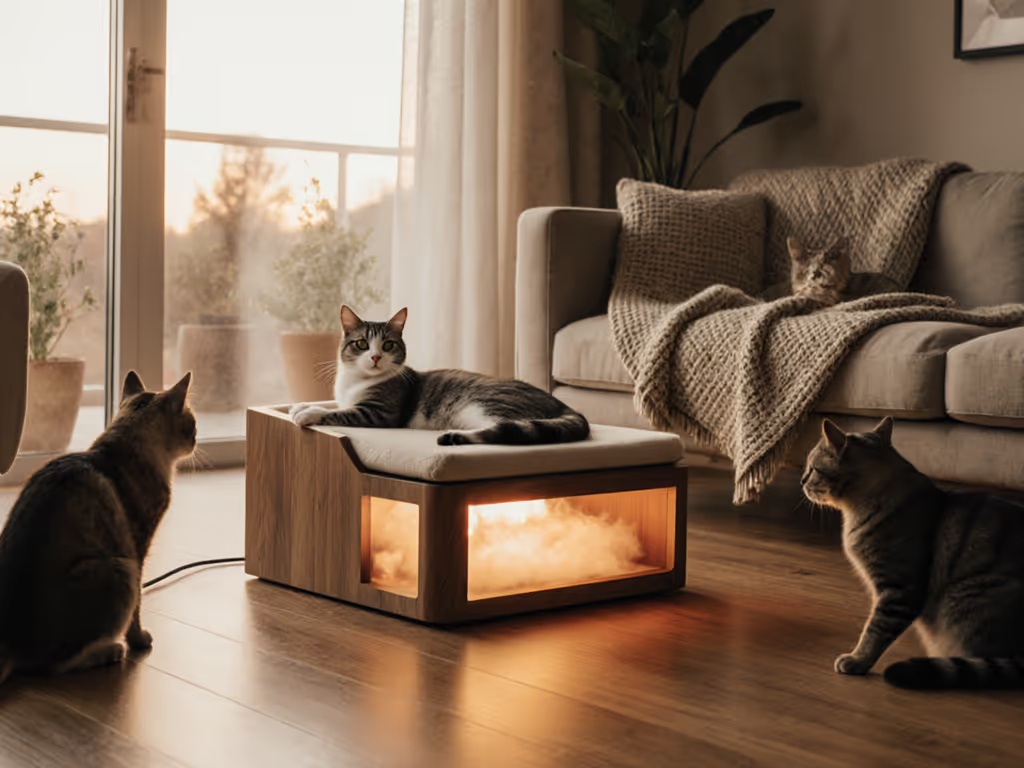
Electric beds use an internal thermostat to maintain a set temperature independent of your cat's body heat. When plugged in and unoccupied, they typically hover 10-15 degrees above your home's ambient temperature. So if your living room is 70 degrees, the bed itself sits at 80-85 degrees, lukewarm to human touch but noticeably warmer once your cat settles in.
Once occupied, the thermostat allows the bed to warm further toward your cat's body temperature. This active regulation prevents overheating and is engineered for safety. For detailed thermal imaging and certification insights, see our lab-verified heated bed review.
Advantage: Consistent, measurable warmth; ideal for senior cats, post-surgery recovery, and homes with poor thermal control.
Limitation: Requires power, daily monitoring for wear, and careful cord management if your cat is a chewer.
FAQ: The Safety Questions You Need Answered
Is It Safe to Leave a Heated Cat Bed Plugged In All Day?
Short answer: Yes, but only if the bed is MET-safety certified and thermostatically controlled.
Heating equipment is the second-leading cause of home fires in the U.S. This isn't hyperbole, it is why certified safety matters. A bed without proper temperature controls can overheat and create a genuine fire risk. Here's the distinction most retailers blur:
- MET safety-listed product: The entire bed has passed rigorous independent testing to comply with government and industry standards.
- Safety-listed parts: Only individual components were tested. The assembled product may still be dangerous.
If a bed carries MET certification (or UL listing), the manufacturer has proven the full assembly (heating element, thermostat, wiring, cover) works safely at continuous operation. Electric K&H beds, for instance, are MET-certified and designed for 24/7 use.
Without certification, leaving a bed plugged in is a measurable liability.
What's the Difference Between a Cat Bed and a Human Heating Pad?
This is non-negotiable: use only beds made specifically for cats.
Human heating pads can exceed 120 degrees Fahrenheit and lack the safety barriers designed for paws and claws. They lack claw-resistant covers, low-wattage design, and thermostat controls calibrated for feline safety. A cat can suffer heat stroke or burns, especially if trapped or unable to move away.
Cat-specific beds use lower wattage, thermostatic cutoffs, and cover materials that resist shredding without harboring toxins.
Should I Worry About Electrical Cords and Chewing?
Yes. Kittens and aggressive chewers pose a real risk to themselves and the cord. For these cats, self-heating beds are often safer than plug-in models.
If you must use electric, take these steps:
- Place the cord behind furniture or under a cord cover.
- Choose a bed design that keeps the cord short and inaccessible.
- Inspect the cord and plug weekly for damage.
- Consider pet-safe cord protectors rated for chewing hazards.
Heated Cat Beds vs. Radiant Floor Systems: Where Do They Fit?
Radiant Floor Heating and Your Cat
If your home has infrared floor heating (common in modern bathrooms or kitchens), your cat may already access ambient warmth. Radiant heat distributes evenly across a floor surface, creating temperature-regulated cat zones naturally. A cat will gravitate to these areas without additional equipment.
In this case, a dedicated heated bed serves a different purpose: portability, targeted warmth for senior cats, and creating a safe retreat away from the main floor.
Window Perches in Cool Climates
If you're considering a window cat perch in a room with poor thermal control, adding a heated pad underneath (or choosing a heated perch model) can extend the cat's comfortable lounging time. Cats naturally seek warmth and light; a warm perch near a window combines two instincts in one high-value spot.
Bathroom Radiant Heat Integration
Many modern bathrooms now feature radiant heating in the floor tiles. If your cat frequents the bathroom (some cats love cool tile for grooming), the radiant warmth may be enough on its own. However, if your cat is arthritic, recovering from surgery, or very young, a supplemental heated bed in a non-bathroom bedroom offers concentrated warmth where they actually rest for hours.
The Safety Checklist: What to Verify Before Buying
Here's where rigor matters. Before ordering, confirm:
- MET or UL safety certification: Check the product page or manual. Safety-listed parts alone are insufficient.
- Thermostat control: The bed must maintain a maximum temperature, not climb indefinitely.
- Low wattage: Electric beds for cats typically run 20-40 watts, far lower than human heating pads.
- Removable, washable cover: Machine-washable fabric that doesn't off-gas fumes or harbor odor.
- Non-toxic finish: Avoid heavily scented covers. If a bed smells strong after 24 hours of airing, return it.
- Manufacturer guidelines: Read the fine print. Some beds warn against extension cords, blanket layering, or time limits.
- Cord routing: Ensure the power cord can be secured away from chewing or tangling hazards.
- Cat's exit strategy: The bed must allow your cat to move away freely if uncomfortable.
Safety first; then style, then everything else falls into place.
I learned this lesson the hard way. A toppled store-bought tower left tiny splinters in my palm, and taught me to load-test platforms with sandbags before trusting them with a living creature. For anchoring methods and tip-over testing standards, read our certified cat furniture safety guide. Apply that same rigor to electrical safety: don't cut corners on certification or thermostat controls.
Which Cats Benefit Most from a Heated Bed?
Not every cat needs one. Here's where they make a genuine difference:
- Senior or arthritic cats: Joint warmth eases stiffness and encourages rest.
- Thin or hairless breeds: Less natural insulation means external warmth is therapeutic.
- Post-surgery or post-injury recovery: Warmth supports healing and reduces stress.
- Kittens in cool homes: Young cats thermoregulate poorly in cold environments.
- Outdoor, feral, or stray cats: Heated beds or houses can be life-saving in winter.
- Cats in consistently cold climates: If your home regularly sits below 65 degrees, a heated bed becomes a health consideration.
For healthy adult cats in a warm home, a self-heating bed is often sufficient, and safer, since there's no electrical component. If you live in a drafty or cold-climate home, our winter furniture thermal guide shows safe placement and material choices that retain warmth.
Outdoor Heated Beds: Additional Considerations
If you're housing outdoor cats, heated houses are stronger performers than beds. They're usually waterproof or water-resistant, incorporate steel-wrapped cords to resist damage, and are tested by MET labs to exceed electrical safety standards in multiple countries. These beds must still be placed under shelter (a porch, barn, shed, or garage) to prevent weather exposure and keep wiring safe.
Check periodically for wear, damage, or moisture intrusion. A cord that looks fine in January may degrade by March.
Summary and Final Verdict
Heated cat beds are effective and safe when chosen with rigor. The distinction lies entirely in certification, thermostat control, and your commitment to following manufacturer directions.
Choose an electric heated bed (MET-certified, thermostatically controlled) if:
- Your cat is senior, arthritic, or recovering from injury.
- Your home is consistently cold.
- Your cat is low-chew-risk and you can secure the cord.
- You want consistent, measurable warmth.
Choose a self-heating bed if:
- Your cat is young, energetic, or a known chewer.
- Your home is already reasonably warm.
- You want simplicity and zero electrical risk.
- You value zero energy draw.
Never use:
- Human heating pads.
- Beds without safety certification.
- Beds that allow temperature to climb without upper limits.
- Cords that can't be secured away from your cat.
Assume the leap, then design. Your cat's warmth and safety aren't trade-offs, they're the foundation. Choose with data, verify with checklists, and inspect regularly. When you do, you'll have quiet, secure warmth your cat can rely on, season after season.
Related Articles