Hydronic Radiant Heating Cat Furniture: Warmth Without Risk
By Tariq Al-Khalil • 10th May
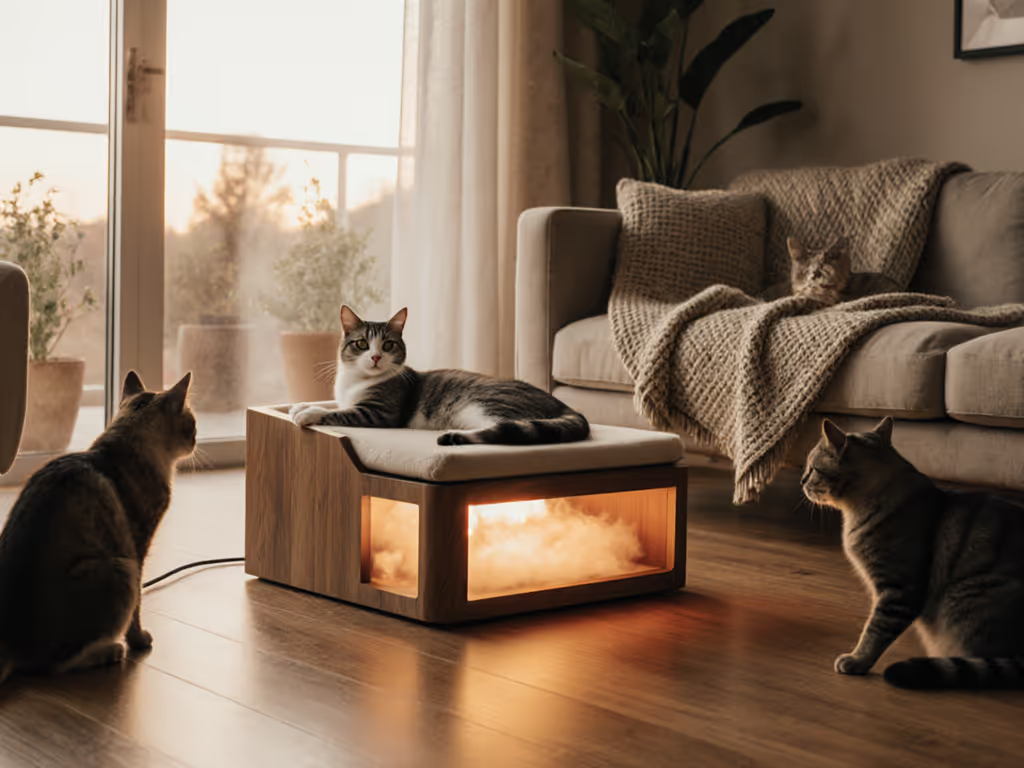
When we think about what makes a cat truly comfortable, we often picture soft blankets or sunny windowsills. But there is something deeper at work: a biological need for gentle, consistent warmth that goes back to your cat's ancestry. This is where hydronic radiant heating cat furniture and water-based heating cat spaces enter the conversation as a refined solution for the discerning cat guardian.
Unlike traditional heating methods that can create hot spots or stir up dust, water-based systems offer something profound: distributed, predictable warmth that speaks directly to feline comfort. Yet many guardians wonder whether integrating such systems into cat furniture is practical, safe, or worth the investment. This guide unpacks those questions, explores the science behind the approach, and helps you understand when this method truly meets your cat's needs (rather than simply chasing a trend).
Understanding Hydronic Radiant Heating for Cat Spaces
What Exactly Is Hydronic Radiant Heating?
Hydronic radiant heating uses warm water circulating through sealed tubing (called radiant loops) embedded beneath or within a surface. Instead of warming the air, the heat radiates upward through the material itself, creating an even temperature gradient from bottom to top.
For cat furniture, this means a perch, platform, or enclosed bed warms gradually and maintains that warmth with remarkable consistency. The system is entirely enclosed, eliminating any exposed wires or surfaces hot enough to burn sensitive paw pads. For whole-home setups, see our radiant floor perches.
How Does It Differ From Electric Radiant Systems?
Electric heating mats embedded in furniture work quickly but can create localized hot spots. Hydronic systems, by contrast, distribute heat more evenly because water acts as a thermal buffer. Think of it as the difference between a space heater and central heating: one blasts, the other embraces.
For cats, who have a baseline body temperature around 102°F and seek warmth more than we do, that gentle distribution is significant. It allows them to position themselves along a gradient, choosing their comfort level rather than enduring a single, fixed temperature.
Why Cats Need Warmth, And How to Provide It Safely
The Instinct Behind Heat-Seeking
Your cat's drive to find warm spots isn't just pleasant, it is metabolically efficient. Warmth conserves energy and supports circulation, particularly for aging cats or those in cooler climates. This is behavior blossoming when spaces speak your cat's native language: a space that anticipates their needs through thoughtful thermal design.
The challenge isn't providing warmth; it is providing it without risk. Traditional space heaters require distance monitoring, pose burn hazards, and can overheat small enclosed spaces. Hydronic furniture sidesteps these concerns because the system is sealed and operates at a controlled, moderate temperature (usually 85-95°F for cat applications).
Safety Anchors for Radiant Warmth
Before selecting any heated furniture, understand these non-negotiables:
- Enclosed tubing: All radiant loops must be safely encased so your cat cannot access water lines or puncture connections.
- Thermostat control: A reliable thermostat prevents temperature creep and allows you to adjust warmth based on season or your cat's response.
- Material compatibility: The surface material must be safe for prolonged contact and should not off-gas when warmed.
- Proper installation: Radiant loops must be positioned to avoid pressure points where tubing could kink or degrade over time. For installation checklists and tip-over prevention, consult our cat furniture safety guide.
Comparing Heating Methods for Cat Comfort
Hydronic vs. Electric Heated Beds
Electric heated beds are widely available and affordable. Many offer plug-and-play convenience. However, they typically cover a small area, heat quickly to one temperature, and can accumulate pet hair and dust on fabric surfaces, which can create cleaning challenges. If you prefer plug-in options, review our heated bed safety tests before buying.
Hydronic systems excel when built into larger furniture pieces. A radiant-heated cat tree platform warms more evenly across the entire surface. Because the system doesn't blow air, it won't circulate the dust and allergens that some electric systems inadvertently stir up. The water circulation also means consistent warmth throughout the device's operational life, without the heating element degradation common in plug-in pads.
Hydronic vs. Passive Thermal Mass
Thermal mass (materials like ceramic, concrete, or stone that absorb and slowly release heat) requires a heat source first. A sun-warmed ceramic perch works beautifully during daylight but cools quickly. Thermal mass cat perches paired with hydronic heating, however, combine the best of both: the material holds warmth longer, and the radiant loop ensures consistent background temperature even on cool evenings.
Hydronic vs. Space Heaters
Space heaters warm air, which rises and creates uneven temperature zones. Cats huddle near them because the effect is pronounced, but the warmth isn't always comfortable or available where your cat settles. Hydronic furniture puts warmth exactly where your cat chooses to rest, without the safety concerns of exposed heating elements.
Practical Questions About Integration
How Is Hydronic Tubing Positioned in Cat Furniture?
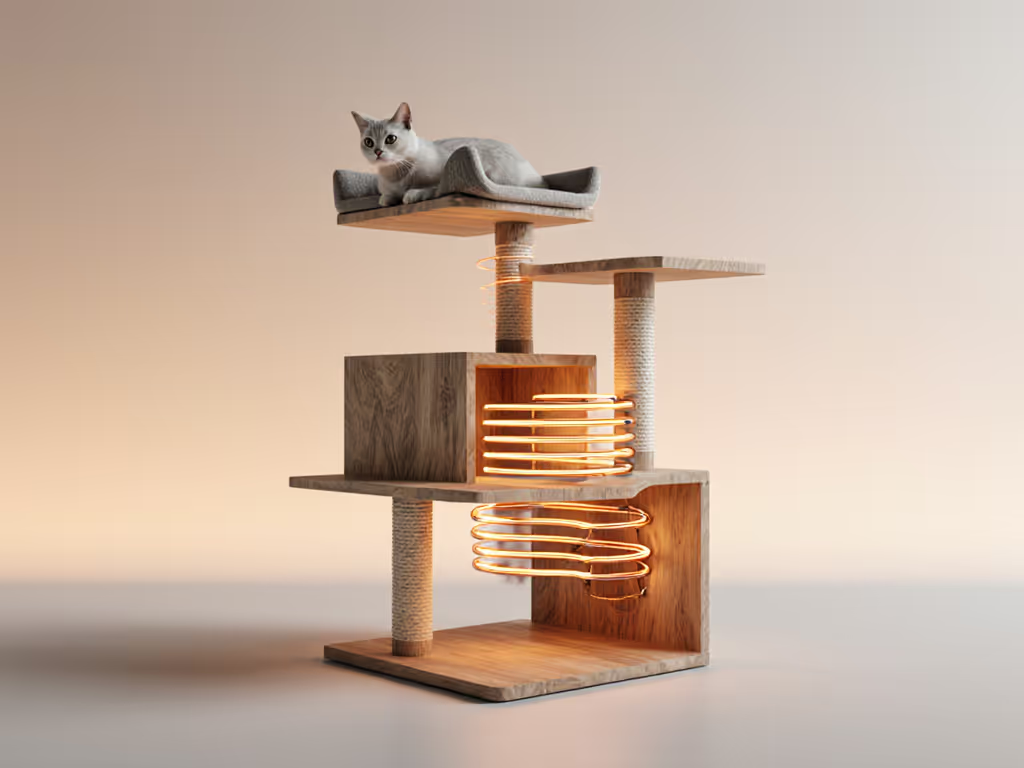
Radiant loop proximity planning is the design phase where your furniture layout becomes functional. Loops are typically installed in a serpentine (snake-like) pattern, spaced 4-8 inches apart depending on desired warmth output. In a cat bed or enclosed hideaway, loops run beneath the flooring layer. In an open perch, they're embedded within a thermal mass material like ceramic or resin composite, then finished with a cat-safe top surface.
The goal is simple: meet the need, not the symptom. If your cat seeks warmth by perching on your lap or hogging the sunniest spot, the need is comfort through consistent temperature. The radiant furniture addresses that need directly.
Can Hydronic Systems Work in Vertical Cat Furniture?
Yes, though placement matters. Radiant loops work best in horizontal surfaces (beds, shelves, hideaways). Vertical climbing routes don't typically require warming; cats use them for vantage and movement. However, a temperature gradient furniture design might include a radiant-heated resting platform positioned on a higher shelf, with an unheated climbing route below it. This layering gives your cat choice: exert energy climbing, then settle into warmth at the top.
What About Multiple Cats and Varying Preferences?
Hydronic systems can be zoned. If your furniture spans multiple levels or sections, you can install separate radiant loops in different areas, each with its own thermostat. One cat might prefer a cooler shelf, while another claims the warmest platform. This mirrors what many guardians observe in their own homes (some cats sprawl on tile in summer, while others nest in blankets year-round). Liquid radiant system integration allows you to honor those preferences within a single piece of furniture. For broader space planning across households with multiple cats, see our multi-cat territory guide.
What's the Energy Cost?
Hydronic systems operate at low temperatures (typically 85-95°F) and cycle on and off based on thermostat settings. Because they maintain warmth rather than reheating constantly, they're energy-efficient. Guardian reports and industry studies suggest minimal energy impact compared to running a space heater or leaving electric heated beds on 24/7.
Design Considerations for Aesthetic Integration
Will Hydronic Furniture Clash With My Home?
This is where hydronic systems shine for aesthetically minded guardians. Because the heating is internal, the furniture can be finished in any material or style you prefer (upholstered, wooden, ceramic, concrete). The aesthetics are entirely in your hands, not dictated by visible heating cables or plastic pill-shaped beds.
A beautifully designed wooden cat perch or fabric-upholstered hideaway with hydronic warming looks like a deliberate part of your decor, not an appliance shoved into a corner.
Maintenance and Durability
Hydronic furniture typically lasts longer than electric-heated pieces because the water circulation system is less prone to wear. No heating elements degrade over time. The surfaces themselves (fabric, wood, ceramic) follow standard care routines. For material-specific upkeep, use our cat furniture cleaning guide.
However, ensure the tubing connections are reliable and the system includes a pressure release valve and basic water treatment to prevent scale buildup (details your manufacturer should clarify).
The Behavior Blueprint
A shelter cat named Miso arrived stressed and wouldn't leave his carrier. Once I mapped out a vertical route with staggered shelves, added safe scratching zones, and layered in consistent warmth in the upper resting platform, something shifted. By day three, he was stretching and greeting people from above. The warmth wasn't the only ingredient, but it was the comfort foundation that allowed his natural climbing and exploring instincts to flourish.
Hydronic radiant heating works the same way: it's not a gimmick or luxury. It's a tool that, when thoughtfully integrated into an enriched space, removes one barrier to contentment. A warm, secure perch high above the action gives your cat both autonomy and comfort, the dual ingredients for thriving behavior.
Final Thoughts: Is This Right for Your Cat?
Hydronic radiant heating cat furniture makes sense if:
- You want heated cat spaces that integrate seamlessly into your home's aesthetic.
- Your cat is older, lives in a cool climate, or shows a strong preference for warmth.
- You value durability and are willing to invest upfront in a system that lasts years.
- You want to avoid the hotspots, noise, or air circulation of traditional heating.
- You have multiple cats with different thermal preferences that warrant zoning.
It may be overkill if your home is naturally warm, your cat shows no strong heat-seeking behavior, or you're looking for a quick, budget solution.
Further Exploration
If you're intrigued by the intersection of thermal comfort, behavioral enrichment, and thoughtful design, begin exploring these next steps:
Research manufacturers who specialize in hydronic pet furniture. Ask for material safety documentation, thermostat specifics, and warranty details. Request photos or videos of installation so you understand how loops are positioned.
Assess your home's layout. Where does your cat currently gravitate? A sunny windowsill, your bed, a particular shelf? That's your insight into their thermal preference. Imagine adding gentle radiant warmth to that spot.
Consider a hybrid approach. You don't need all your furniture heated. A single radiant-warmed resting platform in a key location, paired with unheated climbing or scratching surfaces, creates a rich sensory and thermal environment without overwhelming your space or budget.
Consult with designers who understand both cat behavior and heating systems. The best solutions come from conversations, not assumptions.
Your cat's comfort isn't a luxury. It is the foundation for a harmonious, enriched life indoors. Hydronic radiant heating is one sophisticated way to honor that priority while keeping your home beautiful and functional for everyone who shares it.
Related Articles