Modern Cat Furniture Compared: Craftsman Zen Styles
By Tariq Al-Khalil • 18th Nov
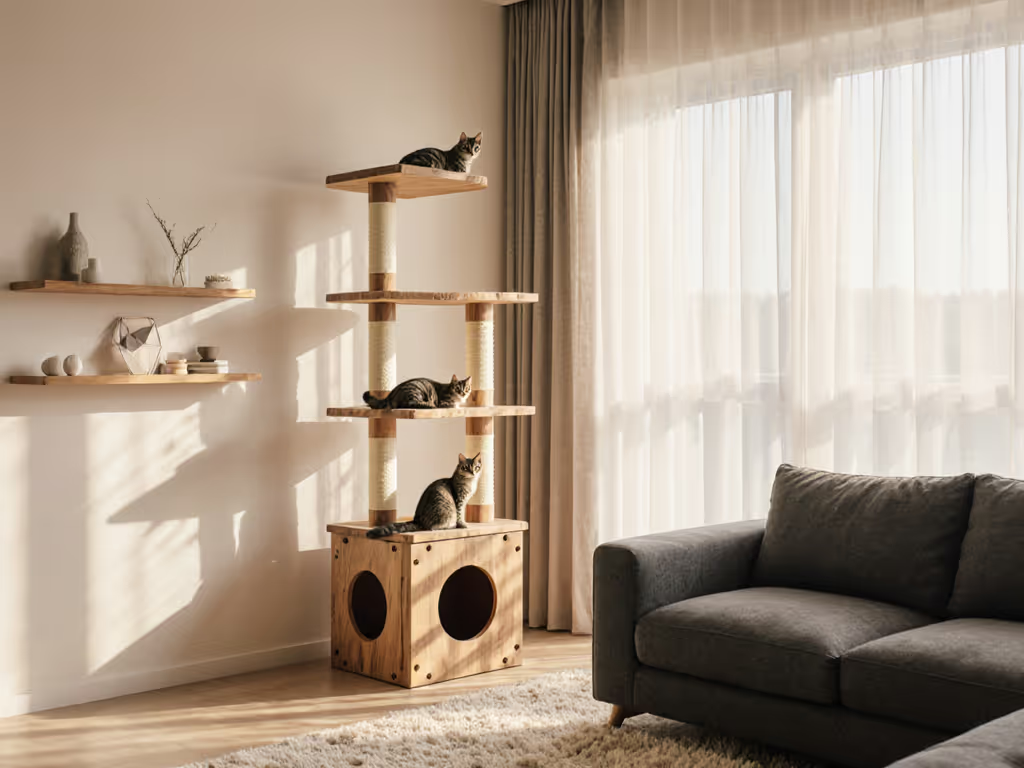
As an environmental enrichment specialist who helps cats express their natural behaviors within human-centric homes, I'm often asked about modern cat furniture that doesn't sacrifice feline functionality for aesthetics. When you're searching for unique cat furniture that honors both your design sensibilities and your cat's instincts, the Craftsman Zen approach offers something truly special. This isn't just about adding pretty pieces to your space, it's about creating environments where cats feel secure, engaged, and free to be themselves.
The FAQ Deep Dive: Your Guide to Harmonious Cat Spaces
What makes Craftsman Zen cat furniture different from standard options?
Craftsman Zen styles stand apart from conventional cat furniture through their intentional integration of form and feline function. For a whole-home framework that balances design with feline needs, see our Catify Home checklist. While mass-produced cat trees often prioritize height over stability or cover everything in carpet (ignoring cats' natural substrate preferences), Craftsman Zen designs approach cat furniture as environmental architecture.
These pieces emphasize:
- Clean lines that complement rather than compete with your existing decor
- Natural materials that appeal to both human and feline senses
- Thoughtful placement of scratching surfaces that match cats' preferred angles
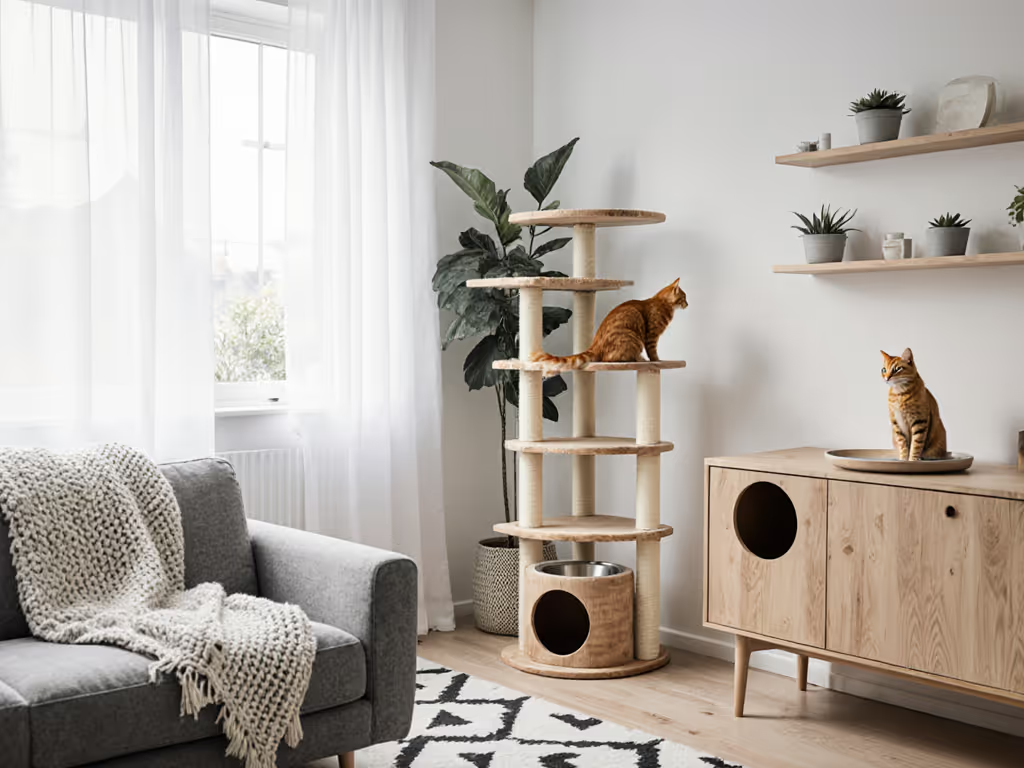
- Strategic vantage points that provide security through visibility
- Balanced negative space that creates flow rather than visual clutter
When spaces speak your cat's native language, behavior blossoms naturally. I witnessed this transformation with Miso, a shelter cat who wouldn't leave his carrier until I created a route that honored his need for choice and control. What he needed wasn't just "cat furniture", it was a language he understood.
How does Zen-inspired cat space design address cats' natural instincts?
Zen principles of simplicity, balance, and harmony align remarkably well with cats' environmental needs. While many think cats just want high places, the reality is more nuanced, cats seek spaces that offer multiple options simultaneously.
Modernist cat furniture rooted in Zen philosophy incorporates:
- Choice points: Areas where cats can choose to observe, hide, or engage
- Predictable pathways: Vertical routes with consistent spacing that build confidence
- Sensory variety: Different textures strategically placed where cats naturally use them (e.g., sturdy wood for confident perching, soft surfaces for resting)
- Visual flow: Open sightlines that reduce stress by allowing cats to monitor their territory
The best Zen-inspired cat spaces don't just provide physical locations, they create behavioral opportunities. Choice reduces conflict, whether between cats in multi-cat households or between cats and their human companions. When your cat has multiple acceptable options for scratching, resting, and observing, destructive behaviors diminish because their needs are met through design, not compromise.
What safety considerations should I prioritize with modern cat furniture?
Many beautiful cat furniture pieces fail at the most basic requirement: keeping cats safe. I've seen too many "Instagram-worthy" shelves that wobble or lack proper anchoring, putting cats at risk of falls and injuries. For tested anchoring methods and global standards, check our stability testing guide.
Look for these non-negotiable safety features in any unique cat furniture:
- Weight distribution: Pieces should have a wider base than top, following traditional pyramid stability principles
- Anchoring points: Wall attachments that prevent tipping, especially for taller pieces
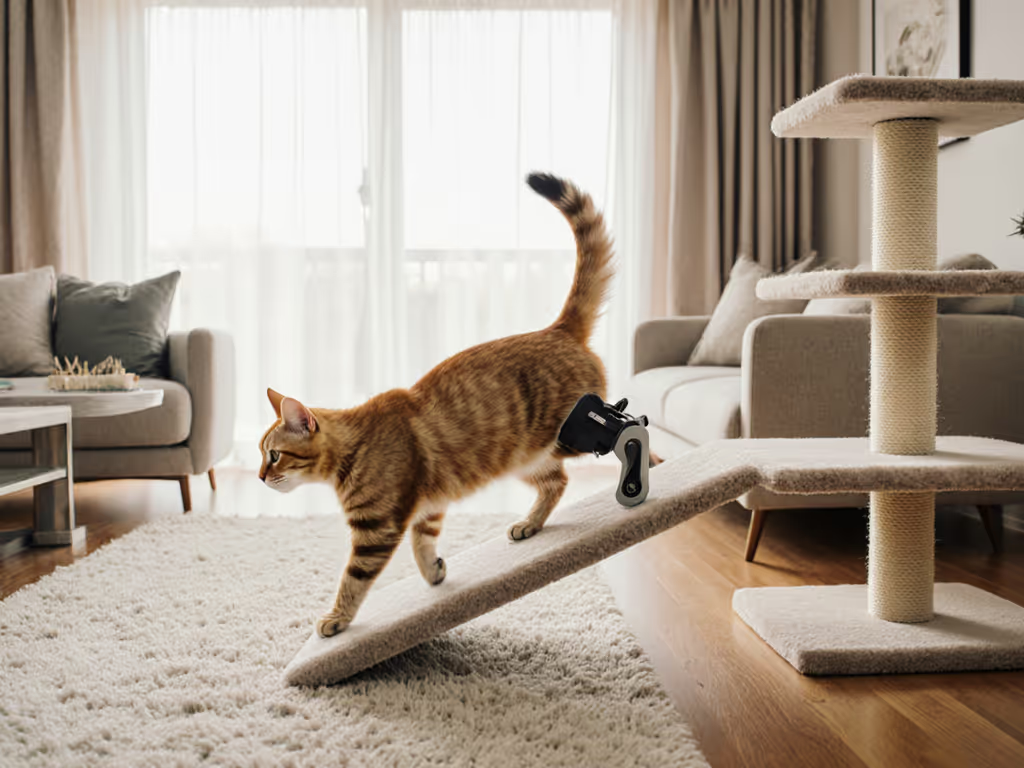
- Gentle transitions: Steps or ramps with subtle texture changes rather than abrupt shifts that could cause slips
- No sharp edges: Rounded corners on wood pieces that prevent injury during play or exploration
"Unanchored tall builds" violate my core safety principle, I've watched cats lose confidence after falls from unstable perches. A cat's trust in their environment is fragile; once broken, it takes time to rebuild. The most beautiful furniture becomes useless if your cat won't use it because they don't feel secure.
How can I create vertical pathways that fit my space and my cat's needs?
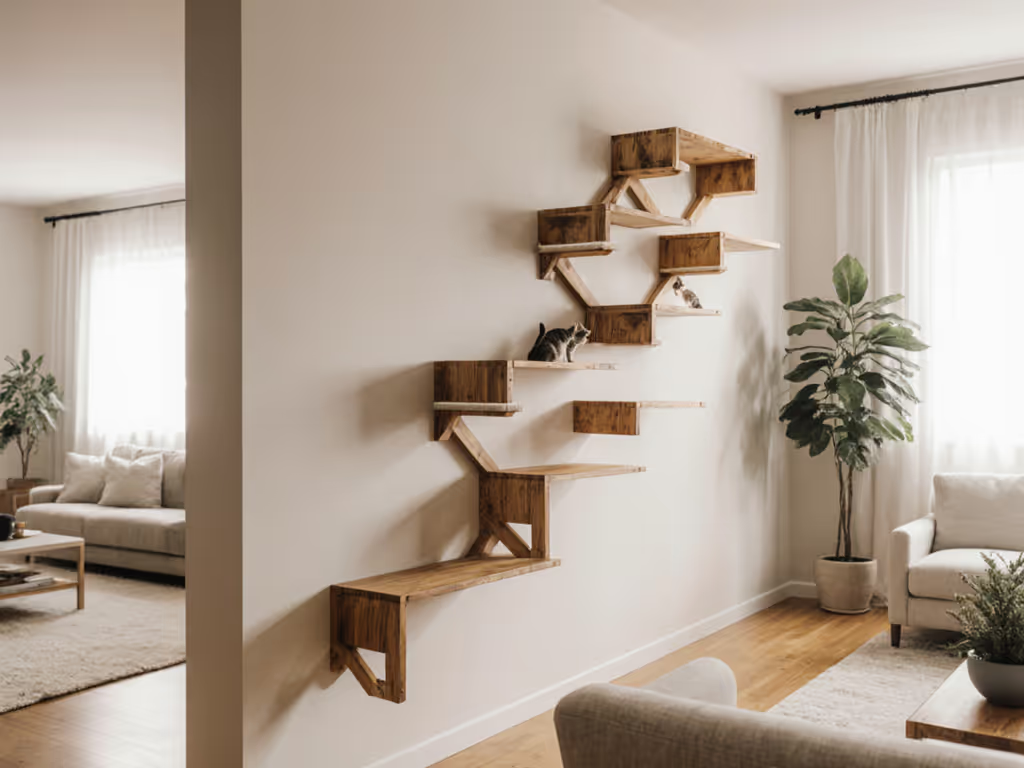
Vertical territory isn't just about height, it's about creating a complete circuit that matches your cat's natural movement patterns. Cats don't just climb up; they need comfortable ways to descend and transition between spaces. If you're considering wall-mounted routes, compare systems in our modern cat shelf comparison.
For Craftsman style cat shelves, consider these behavior-first principles:
-
Start low: Begin your vertical route at a height your cat can comfortably jump to from standing (typically 12-18 inches for adult cats)
-
Create rhythm: Space shelves at consistent intervals that match your cat's natural stride (approximately 12-16 inches for most domestic cats)
-
Add resting points: Include at least one larger platform every 3-4 shelves where your cat can pause and observe
-
Finish strong: End your route at a secure resting spot, not a precarious peak
I often recommend beginning the route near your cat's favorite resting spot or feeding area. This creates a habit-aware path that becomes part of their daily routine. When I helped a client with a timid senior cat, we started the vertical route beside her food bowl. Within days, she was confidently traveling the entire circuit, greeting her humans from above (just like Miso did in the shelter).
What materials work best for both aesthetics and feline functionality?
The materials conversation is where most modern cat furniture fails both cats and humans. Carpet-covered towers look dated and harbor allergens, while some "modern" designs use materials cats simply won't accept.
The most successful modern cat furniture combines:
- Natural wood: Solid wood or high-quality veneer for structural elements cats can confidently perch on
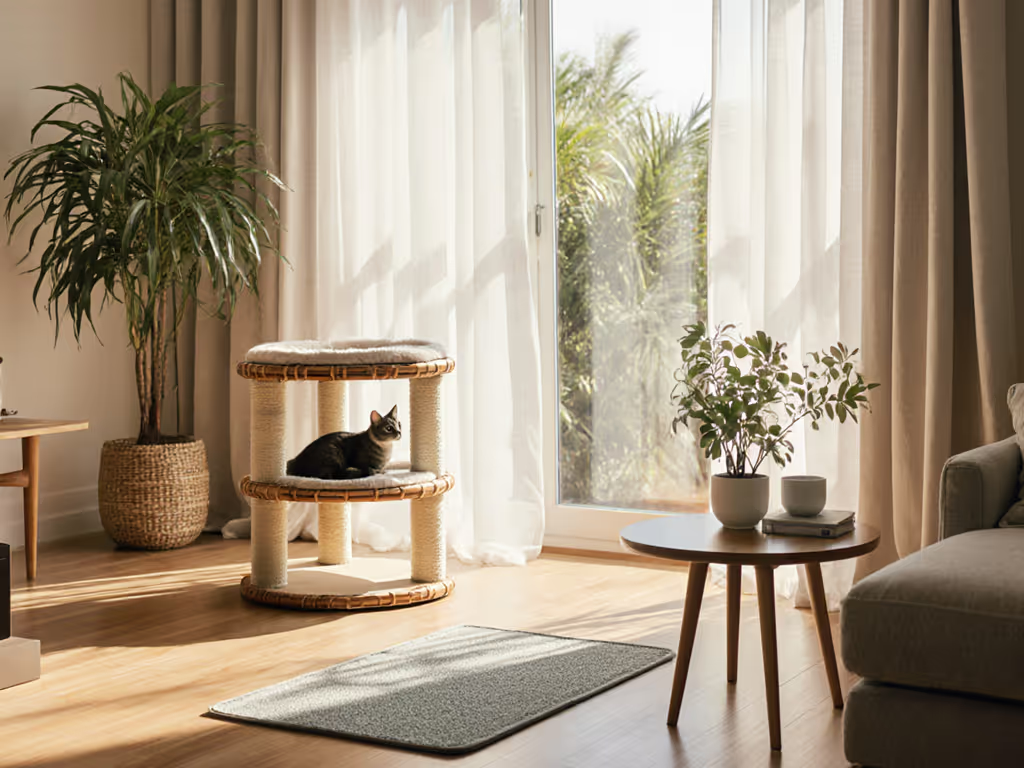
- Sisal: For vertical scratching posts (minimum 32" height for proper stretching)
- B-flute cardboard: For horizontal scratching surfaces that mimic natural textures
- Washable fabrics: For resting areas that can withstand regular cleaning
Avoid materials that create sensory confusion (like placing soft fabrics where cats would naturally scratch). Cats are precise about where they perform specific behaviors. To pick the right scratch surface, see our sisal vs cardboard explainer. Your goal should be creating clear behavioral zones within your space.
What maintenance considerations should guide my choice of modern cat furniture?
Let's be honest, most cat furniture becomes a magnet for hair, dander, and dirt. But with thoughtful design, cleaning doesn't have to be a constant battle.
Prioritize pieces with:
- Modular components: Removable cushions or scratchers that can be cleaned separately
- Smooth surfaces: Where hair won't embed (unlike traditional carpeted towers)
- Strategic placement: Furniture positioned to minimize hair accumulation in high-traffic areas
- Material compatibility: Surfaces that can be safely cleaned with pet-friendly products
I worked with a family who loved their Scandinavian-style cat tree but struggled with hair maintenance until we repositioned it away from direct airflow from their HVAC system. This simple adjustment reduced their cleaning time by half while keeping their cat engaged, proof that the most practical solutions are often the simplest.
How do Zen-inspired designs support multi-cat households?
When multiple cats share space, modernist cat furniture must address complex social dynamics. Cats aren't naturally communal animals, so forcing them into shared spaces often creates tension rather than harmony.
Effective multi-cat Zen spaces include:
- Multiple route options: Parallel paths that allow cats to move without confrontation
- Resource separation: Feeding, scratching, and resting areas distributed throughout the space
- Visual barriers: Strategic placement that creates "safe" sightlines without full isolation
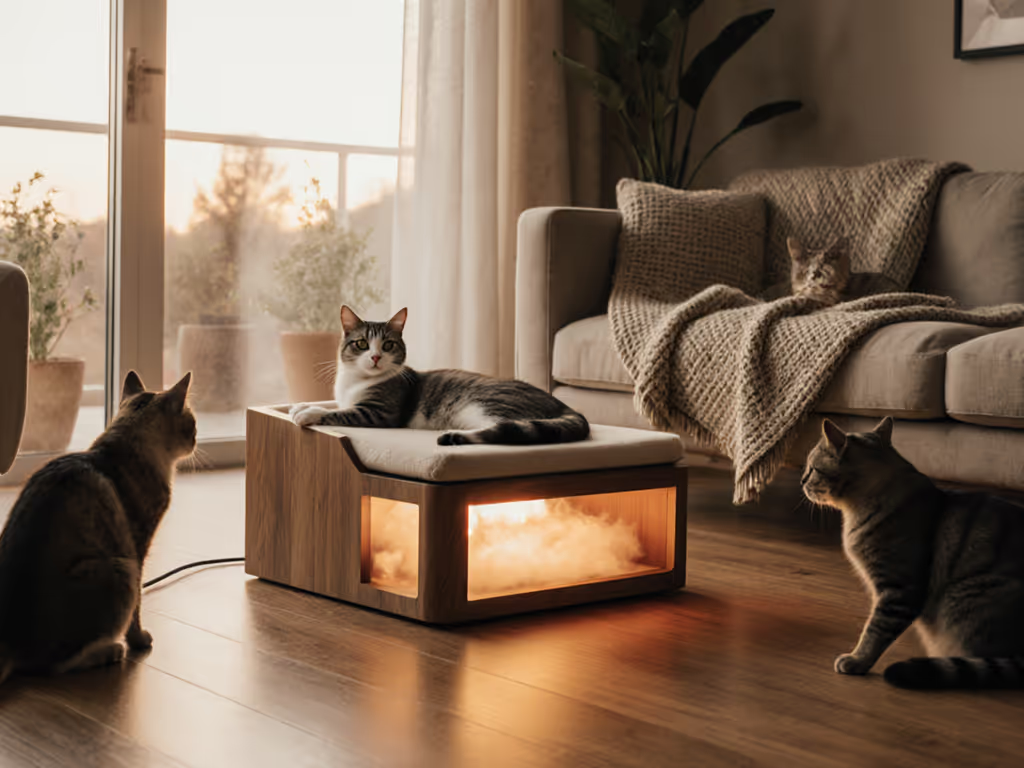
- Choice in proximity: Areas where cats can be near each other without direct contact
Choice reduces conflict in multi-cat homes. For step-by-step layouts that reduce conflict, read our multi-cat territory design guide. When cats can choose whether and how to interact, territorial stress decreases significantly. I've seen dramatic improvements in household harmony simply by adding a second vertical route that allowed two cats to move through their shared space without forced encounters.
Finding Your Perfect Balance
Selecting modern cat furniture isn't about finding the most beautiful piece or the one with the most features, it's about discovering what works for your specific space and your cat's unique personality. The best solutions honor both aesthetics and instinct, creating environments where cats feel secure and expressed.
Remember that cats thrive when territory offers choice, vantage, and safe retreats. Your home doesn't need to become a cat playground, it needs to become a shared space where both species' needs are honored through thoughtful design.
Behavior blossoms when spaces speak your cat's native language.
If you're interested in exploring more about creating cat-friendly spaces that work with your existing decor, I recommend studying traditional Japanese room planning principles. These centuries-old approaches to spatial harmony contain surprisingly relevant insights for modern cat guardianship. Consider how you might adapt tatami mat dimensions to create natural resting zones or how shoji screen placement could inform your vertical pathway design. The principles of balance and flow transcend time and culture, especially when they align with natural behaviors.
Related Articles