Skip the Island: Modern Cat Perches for Kitchens
By Tariq Al-Khalil • 10th Dec
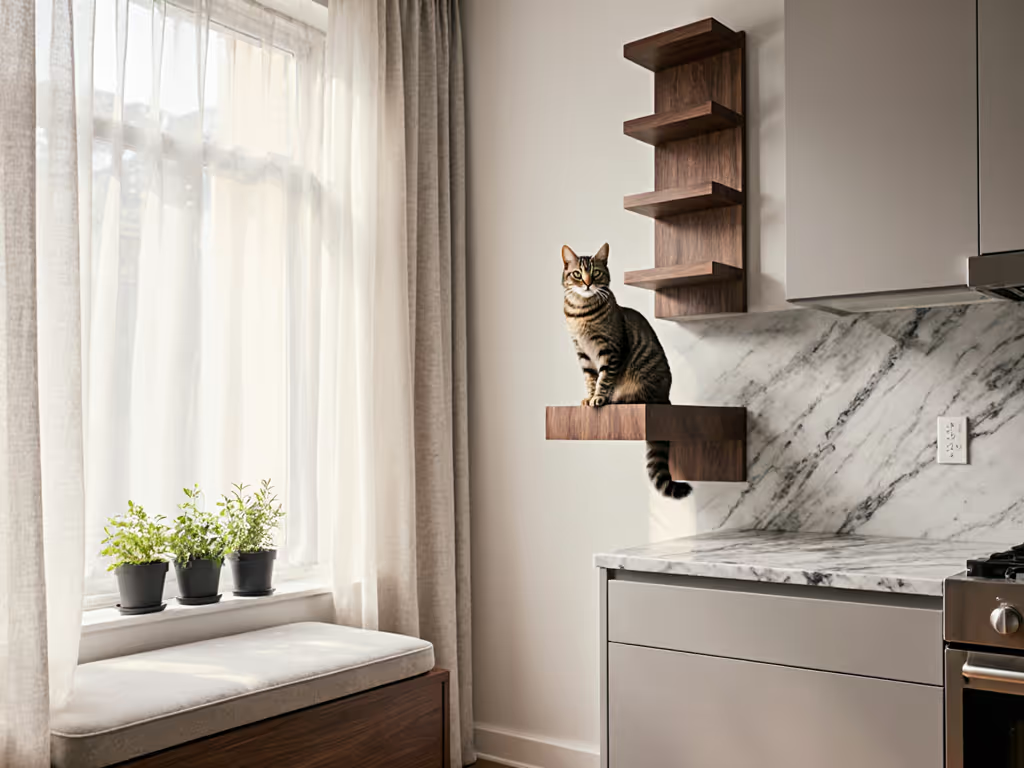
If your open concept kitchen cat spaces feel like battlegrounds between feline instincts and human design, you're not alone. Many well-meaning guardians install kitchen island cat perches only to find their cats using these spaces in ways that create counter-surfing prevention challenges and disrupt kitchen harmony. The truth is, cats don't need islands; they need unique cat furniture that speaks their territorial language while complementing your home. When Miso, a shelter cat I worked with, wouldn't leave his carrier for days, I didn't force him onto unfamiliar surfaces. Instead, I created a vertical pathway with staggered platforms that let him explore at his own pace. Within 72 hours, he was greeting volunteers from above, a perfect example of how behavior blossoms when spaces speak your cat's native language.
Why Your Kitchen Island Isn't Working for Your Cat
Why do cats insist on claiming kitchen islands despite our efforts?
Cats are drawn to kitchen islands for perfectly logical reasons from their perspective. Islands represent elevated territory in the heart of your home's activity zone (a prime vantage point for observing prey, monitoring resources, and claiming territory). However, these surfaces present significant challenges: they're often cold, lack grip, and place cats directly where hot pans and sharp knives appear. Rather than fighting this instinct with deterrents, meet the need, not the symptom. For kitchen-specific alternatives that keep counters clear while giving cats purpose-built vantage points, see our discreet kitchen cat furniture guide. Redirect your cat's natural desire for height and observation to purpose-built spaces that satisfy their sensory needs without compromising kitchen functionality.
Aren't kitchen island cat perches a practical solution?
While kitchen island cat perches seem logical, they create more problems than they solve. Islands are high-traffic human zones where food is prepared and social interactions occur (spaces that should remain cat-free for both safety and hygiene reasons). A truly habit-aware approach recognizes that cats need observation points adjacent to activity zones, not within them. The goal isn't to create "cat islands" but to design integrated kitchen cat shelves that offer choice and retreat options while respecting the kitchen's primary human function.
How can we prevent counter-surfing in open concept kitchens?
Effective counter-surfing prevention for islands starts with understanding feline psychology. Cats don't jump on counters to annoy you, they are seeking warmth, interesting scents, and elevated security. Rather than using aversive methods, create competing attractions that satisfy the same needs more effectively. Install integrated kitchen cat shelves at strategic heights near (but not above) countertops. Position them near windows for natural light and bird watching. This approach addresses the root cause, which is your cat's need for observation and security, rather than just punishing the symptom.
Designing Kitchens with Cats in Mind: A Behavior-First Approach
What makes truly effective modern kitchen cat solutions?
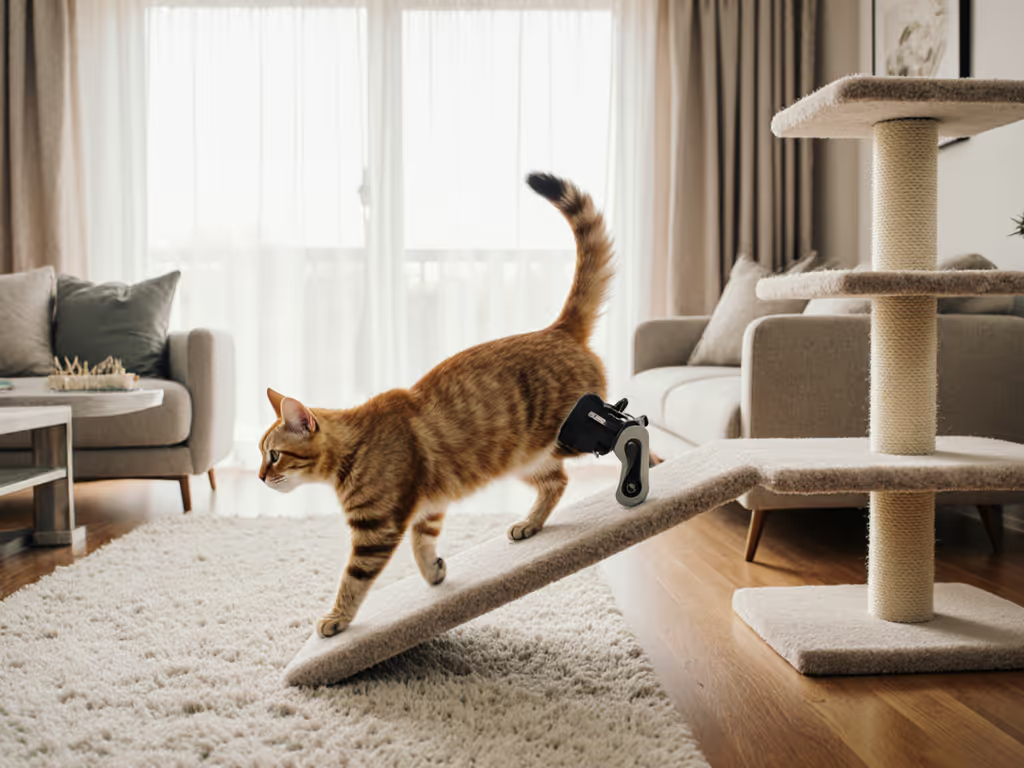
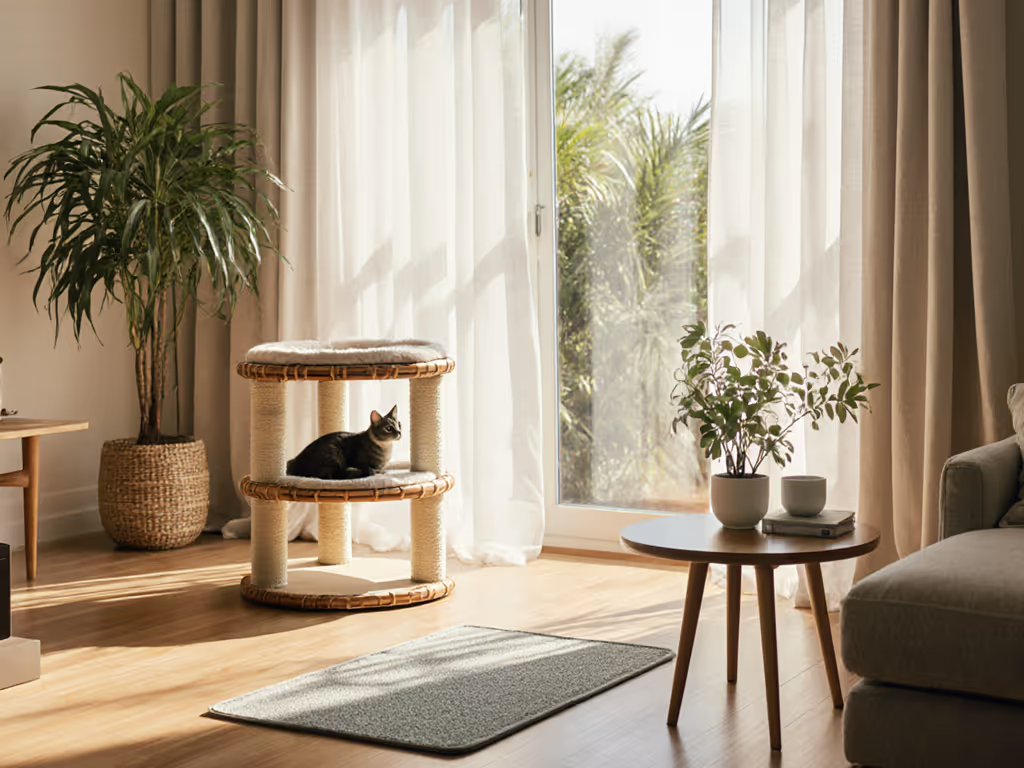
The most successful modern kitchen cat solutions share three characteristics: they're sensory-focused, provide choice, and integrate seamlessly with human living patterns. Cats need to see, scent, and feel their territory. The best designs offer vantage points that let cats observe household activity without being in the way, scratching surfaces positioned where cats naturally stretch upon waking, and cozy retreats near (but not on) food preparation areas. These spaces shouldn't feel like afterthoughts but rather intentional elements in your home's flow.
How high should kitchen cat shelves be positioned?
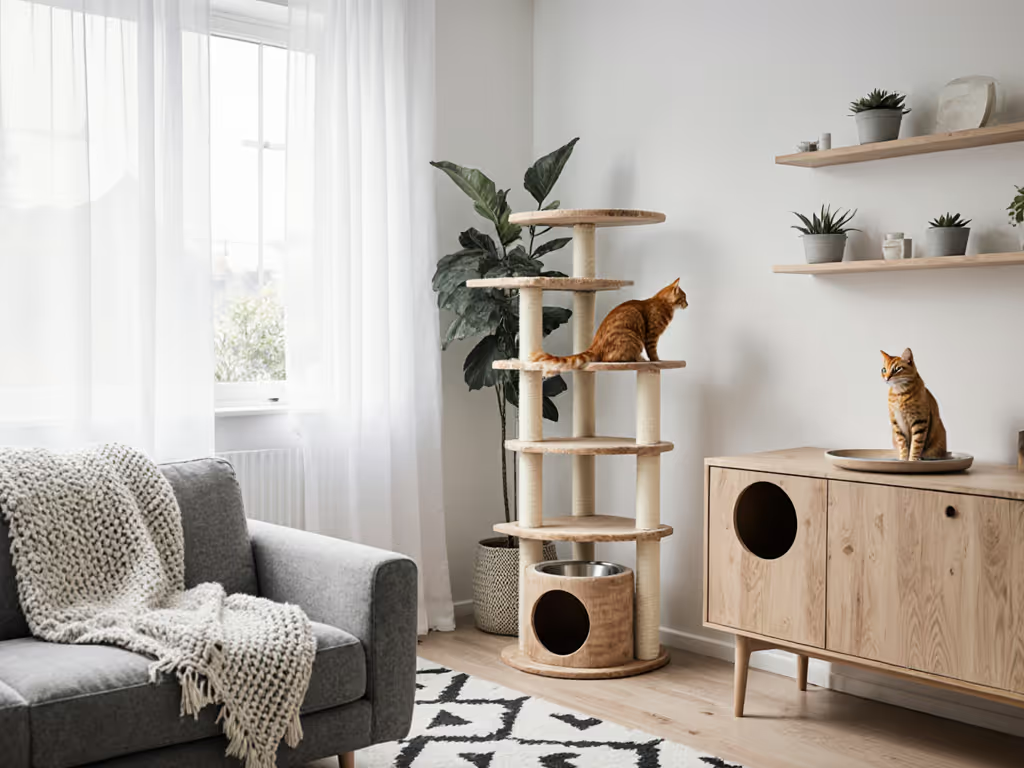
This depends on both your cat's abilities and your kitchen layout. For most adult cats, the first perch should be 12-18 inches off the ground to allow easy access. Each subsequent level should be spaced 10-14 inches apart, creating a vertical pathway your cat can navigate comfortably. Crucially, the highest point should allow your cat to see over countertops (typically 36 to 42 inches total) but remain below cabinet height to avoid creating "launch pads" toward restricted zones. This precise vertical planning creates predictable pathways that reduce anxiety and prevent counter-hopping.
What materials work best for kitchen cat furniture?
Kitchen environments require practical material choices that balance aesthetics with function. Avoid carpeting, which traps food particles and odors. Opt instead for easy-to-clean surfaces like sisal-wrapped posts (for scratching) and powder-coated metal or sealed wood shelves. If you choose fabric-covered perches, ensure they have removable, machine-washable covers. Consider your kitchen's color scheme: neutral tones blend seamlessly, while bolder colors can create intentional design accents that celebrate your cat's presence in your space.
Product Review: Creating Kitchen-Safe Observation Zones
Why window perches solve kitchen territory challenges
One often-overlooked solution for open concept kitchen cat spaces is the window perch. When properly positioned, these create natural observation zones that satisfy cats' curiosity without encroaching on food preparation areas. For window-side layouts that maximize sun while keeping jump paths safe, read our window shelf safety guide. The L&W BROS. 2-Pack Cat Window Perch stands out as a particularly thoughtful solution for kitchen environments.
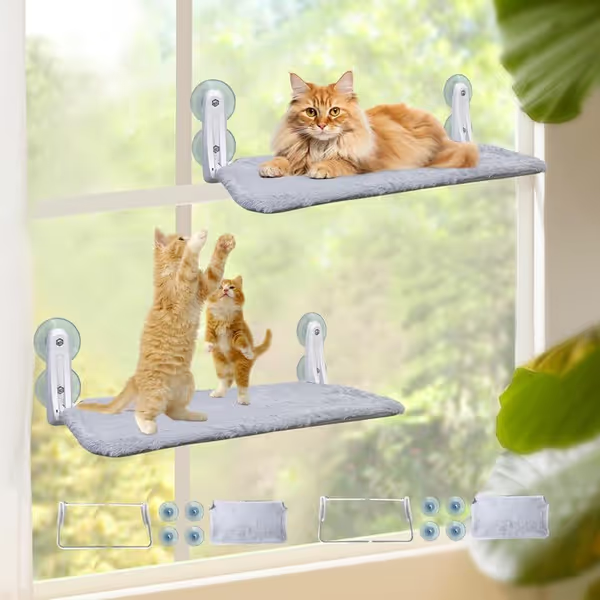
2-Pack Cat Window Perch
Elevate your cat's world with a cozy, panoramic window view.
$29.99
Weight CapacityUp to 50 LBS
Weight CapacityUp to 50 LBS
Pros
Panoramic views reduce feline boredom and destructive behavior.
Installs in minutes, saving floor space and enhancing home aesthetics.
Cons
Suction cup performance can be inconsistent for some users.
Perch size received mixed feedback regarding window fit.
Customers find the cat perch sturdy and easy to install and remove, appreciating its ability to hold up to 50 pounds and multiple cats. The product functions well, though opinions are mixed regarding its stickiness and suction capacity - while some say it sticks well, others report it doesn't stay on windows. The size receives mixed feedback, with some finding it big while others say it's not the right size for their windows.
Customers find the cat perch sturdy and easy to install and remove, appreciating its ability to hold up to 50 pounds and multiple cats. The product functions well, though opinions are mixed regarding its stickiness and suction capacity - while some say it sticks well, others report it doesn't stay on windows. The size receives mixed feedback, with some finding it big while others say it's not the right size for their windows.
Why this window perch excels in kitchen settings
Most window perches work in bedrooms, but few address the specific challenges of kitchen environments. The L&W BROS. model succeeds with several kitchen-specific features. Its upgraded suction cups (holding up to 50lbs) provide stability despite kitchen humidity changes that often weaken standard mounts. The foldable design allows you to tuck it away during cooking when steam might bother your cat. The reversible covers accommodate seasonal changes: use the plush side in winter when kitchens feel drafty, and the breathable mesh in summer when kitchens heat up.
What really makes this solution shine is its space efficiency. In my experience helping families redesign cramped urban kitchens, floor space is precious. This perch requires zero footprint while giving cats their own "window seat" to observe birds and neighborhood activity, diverting attention from counter-surfing. One client with a tiny Manhattan kitchen found that placing two of these perches (one on each window) created a satisfying vertical pathway that eliminated all counter-jumping in just three weeks.
Installation tips for kitchen-specific success
Kitchen windows present unique challenges: steam from cooking, grease buildup, and frequent window washing. If you're deciding between suction-mounted perches and drilled brackets, compare options in our mounting stability guide. For best results with any window perch in kitchen settings:
- Clean glass thoroughly with vinegar solution before installation (avoid chemical cleaners that leave residue)
- Position perches on windows with natural bird activity to capitalize on cats' hunting instincts
- Install at heights matching your cat's natural jumping ability (not maximum ability)
- Create a "perch pathway" by adding one additional shelf 10 to 12 inches below the window perch to help less agile cats access the view
- Use the machine-washable cover feature regularly, because kitchen grease travels further than you'd think!
Remember that cats form habits quickly. For the first week, place your cat's favorite treats or catnip on the perch during quiet kitchen moments to build positive associations. This gentle habit-shaping approach works far better than trying to correct unwanted behavior after it's established.
Building Your Kitchen's Feline-Friendly Ecosystem
How many perches do I need in an open concept kitchen?
Rather than focusing on quantity, consider strategic placement. Most kitchens benefit from three key zones:
- Observation Station: Near a window with interesting outdoor activity
- Resting Retreat: A slightly secluded spot away from high traffic
- Scratching Zone: Positioned where cats naturally stretch after naps
In my work with hundreds of households, I've found that even the smallest kitchens can accommodate all three with thoughtful placement. The key is creating a continuous vertical pathway that connects these zones, allowing your cat to move through their territory without descending to floor level where kitchen hazards exist.
How to integrate cat spaces without compromising kitchen design
This is where modern kitchen cat solutions truly shine. Forget the plastic, carpeted eyesores of the past. Today's options blend seamlessly with contemporary design:
- Choose metal or wooden shelves that match your cabinetry
- Install floating shelves in the same finish as your countertops
- Select minimalist scratching posts that double as design elements
- Position perches to create interesting visual lines rather than cluttering space
One client with a high-end kitchen was worried about "ruining" her designer space. We installed a series of walnut-finished shelves that matched her island, added a steel-framed scratching post that complemented her industrial lighting, and used the L&W BROS. window perch to create a clean-lined observation spot. The result felt intentional rather than makeshift, a true integration of human and feline needs.
What about multiple cats in the kitchen?
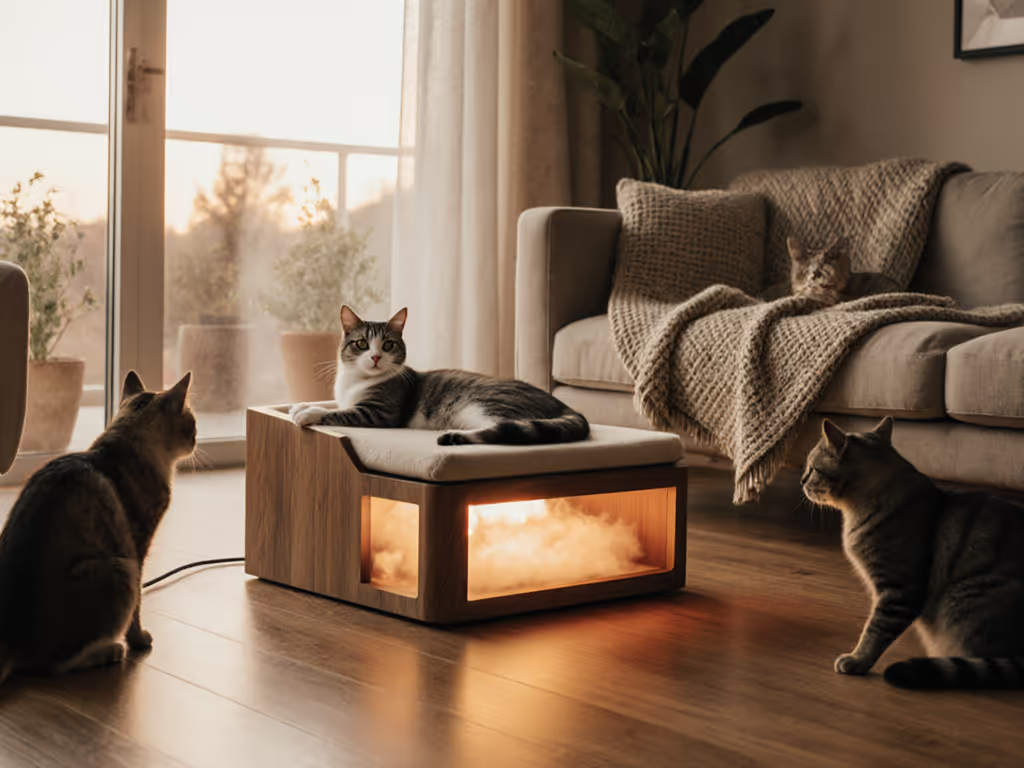
Kitchen dynamics change significantly with multiple cats. Each cat needs their own "zone" within the shared territory to avoid tension. The most successful multi-cat kitchens I've designed feature:
- Multiple vantage points at different heights
- Separate resting areas with clear lines of sight
- Individual scratching surfaces positioned away from resource zones
- Asymmetric pathways that allow cats to approach shared spaces from different directions
This territorial mapping reduces inter-cat tension dramatically. For whole-home strategies that prevent resource guarding, explore our multi-cat territory guide. Rather than competing for the same kitchen island spot, cats establish preferred zones that match their personalities, with observant cats claiming window perches while more reserved cats choose slightly more secluded retreats.
Final Thoughts: Creating Kitchens Where Both Species Thrive
Modern kitchen design has evolved beyond merely accommodating cats. It can actively enhance their wellbeing while elevating your home's aesthetic. The most successful spaces don't force cats onto human furniture but rather create parallel environments that honor feline instincts within human living patterns.
When clients come to me frustrated with counter-surfing and kitchen chaos, I always return to my core belief: cats thrive when territory offers choice, vantage, and safe retreats. This isn't about building elaborate cat gyms: it's about precise, thoughtful placements that speak your cat's language.
Meet the need, not the symptom.
Your kitchen can become a space of harmony where your cat's natural behaviors are celebrated rather than corrected. Start small with one strategic perch or shelf, observe how your cat responds, and build from there. Want to explore more ways to create integrated kitchen cat shelves that transform your space? Visit our resource center for custom layout templates and material guides tailored to your specific kitchen dimensions and feline family members.
Related Articles