Smart Home Cat Furniture: Which Platform Fits?
By Tariq Al-Khalil • 27th Mar
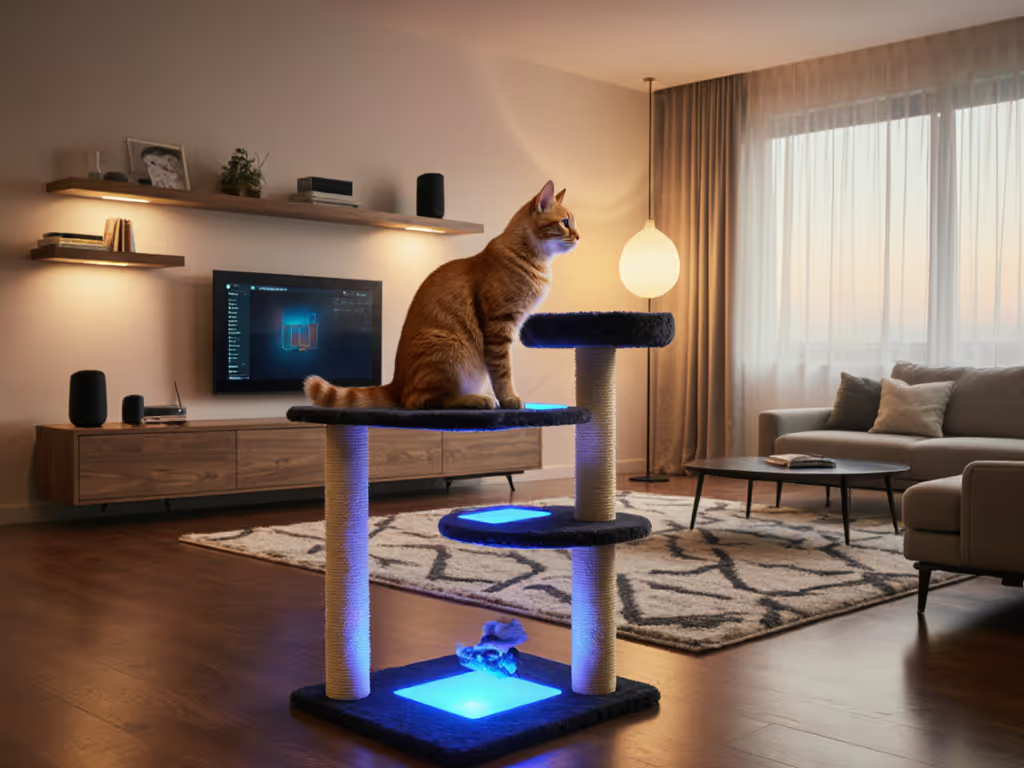
When you're researching IoT cat furniture comparison options, you're likely juggling two competing desires: the appeal of monitoring your cat through your phone and the instinct that your cat deserves something more tactile, more rooted in genuine environmental enrichment. That tension is real, and it deserves a thoughtful approach.
The smart home cat furniture landscape in 2026 is expanding rapidly, but here's what I've learned from guiding cat guardians through these choices: behavior blossoms when spaces speak your cat's native language. A connected feeder won't satisfy a cat craving vertical vantage. A monitoring camera won't substitute for the sensory richness of natural sisal or the predictability of a trusted perch. The best small cat furniture with smart integration succeeds when it layers technology onto genuinely enriching design, not the other way around.
Let's walk through what matters most when considering voice-controlled environments and behavior monitoring systems for your home.
Which Smart Home Platforms Work Best for Cat Furniture?
What's Currently Available in the Smart Cat Furniture Market?
Today's connected pet furniture landscape includes three primary approaches: standalone smart devices, integrated ecosystem products, and modular systems with optional connectivity.
Standalone Smart Devices operate independently: app-enabled water fountains, temperature-regulated beds, and litter box monitors that send notifications. These work without tying you to a specific home automation platform. You're simply downloading one brand's app. This approach offers flexibility; you're not locked into one ecosystem.
Ecosystem-Integrated Products connect through platforms like Amazon Alexa, Google Home, or Apple HomeKit. Some newer scratching posts and climbing structures now feature motion sensors and activity logs within these ecosystems. A voice-activated heating pad that integrates with Alexa, for instance, becomes part of a larger home control system. The advantage is unified control: one app, one routine builder, one notification hub.
Modular Systems represent the gentler middle ground. Brands are developing wall-mounted shelving systems and furniture modules with optional wireless activity trackers that don't require constant smart home integration. You can use the furniture beautifully without the tech, then add connectivity later if your needs shift.
How Do I Know Which Platform My Home Needs?
Here's a question I ask every guardian: What problem are you trying to solve?
If you're managing a multi-cat household with behavioral dynamics you want to track (who's climbing when, activity patterns that hint at stress), a cat behavior monitoring system through voice-activated routines or app notifications offers real insight. For a deeper dive into choosing and using sensors effectively, see our behavior-monitoring furniture review. Temperature-controlled beds integrated with smart thermostats solve genuine enrichment; a warm perch in winter supports a cat's natural need for thermal comfort.
If you're primarily seeking convenience (remote feeding, water monitoring while traveling), a standalone smart device often suffices without the platform lock-in.
If you're building your home's broader smart ecosystem anyway and want furniture to simply join it seamlessly, then ecosystem integration makes sense.
The critical step is this: Meet the need, not the symptom. A guardian with a destructive, understimulated cat doesn't need a smart feeder. They need a vertical route, textured surfaces, and predictable enrichment routines. Only after those foundations are solid should smart monitoring tell you how well your enrichment strategy is working.
How Does Smart Furniture Fit Into Behavioral Enrichment?
Can App-Connected Features Actually Support My Cat's Natural Instincts?
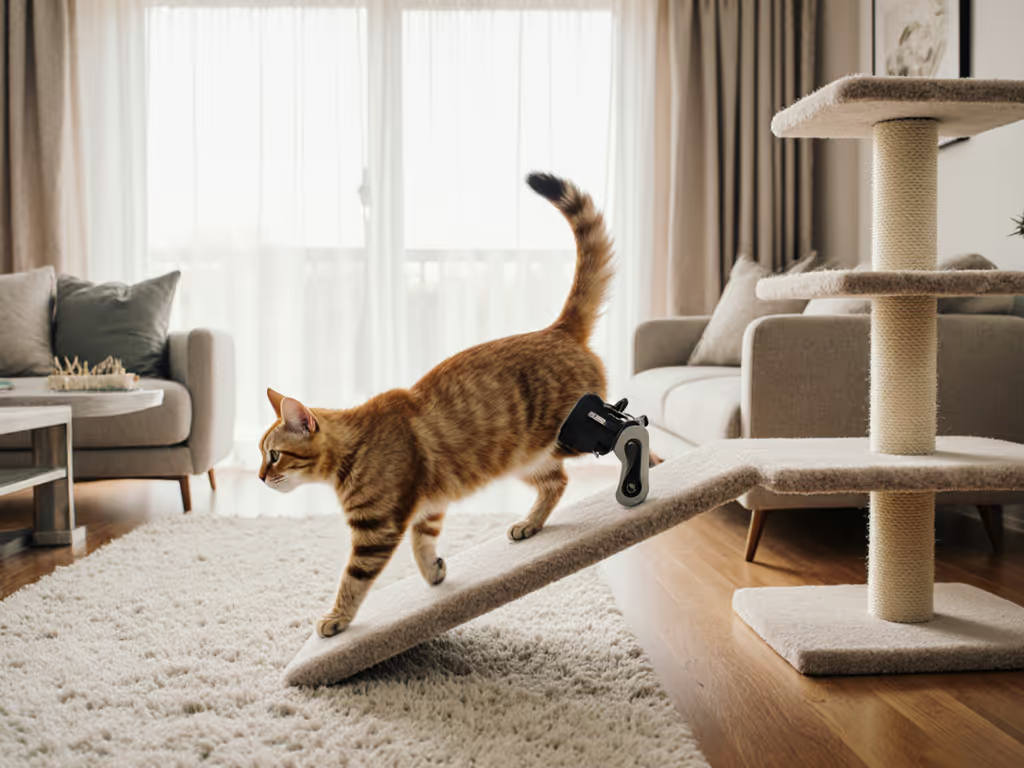
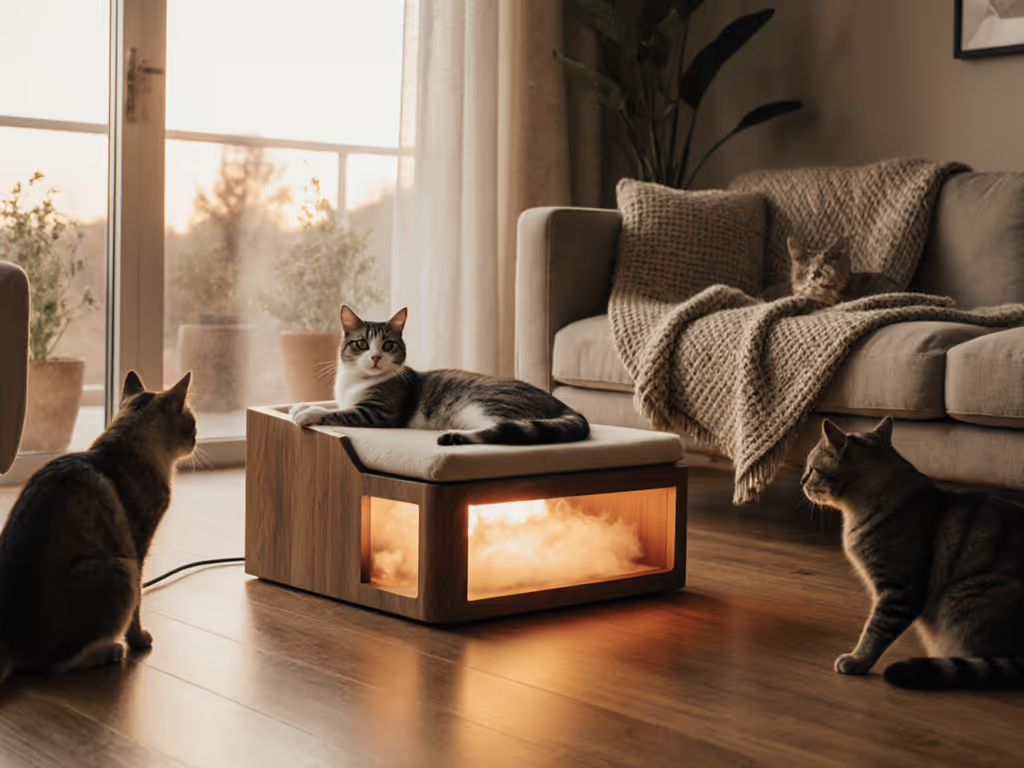
Yes, but only when designed deliberately. Recent behavioral research confirms that cats engage most with furniture offering voice-controlled cat environments that support their actual needs, not replace them. A temperature-controlled cat bed that adjusts based on ambient room temperature and your cat's presence uses smart home integration to enhance predictability, something cats crave. A wall-mounted shelf system with motion sensors that log climbing activity becomes a tool for understanding whether your cat is engaging with their vertical space, signaling whether your enrichment design is working. If you're weighing which smart add-ons are worth it, our smart furniture tech analysis compares features to real-world value.
What smart features don't do is substitute for textured scratching surfaces, varied heights, or quiet hiding spaces. They augment existing enrichment. A connected litter box monitoring your cat's frequency and duration offers health insights. It doesn't replace the comfort of a clean, strategically placed box that respects territorial instinct.
The furniture itself (its material, its placement, its sensory qualities) remains the foundation. Think of smart integration as a lens into whether that foundation is serving your cat well.
What Materials Should I Pair With Smart Features?
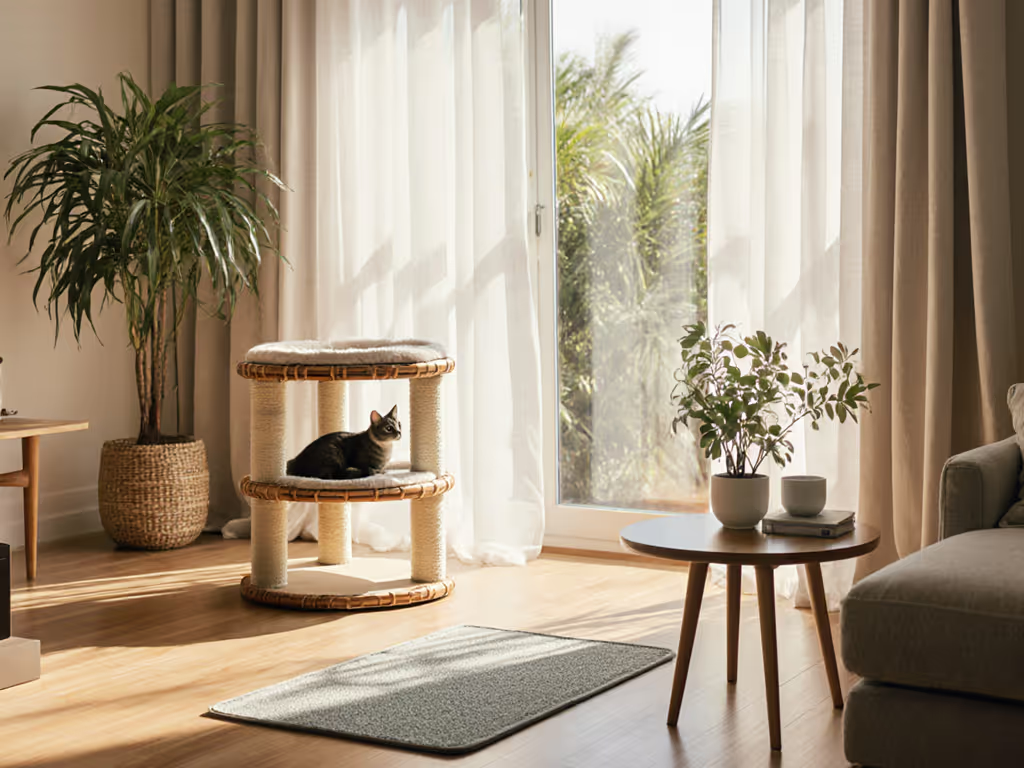
In 2026, this question matters more than ever. Natural wood, bamboo constructions, and sisal rope surfaces are becoming standard in quality furniture, and they pair beautifully with minimal tech integration when designed intentionally. If sustainability is a priority, compare materials in our eco cat furniture guide.
Why? Cats spend significantly more time on furniture with textured, thermally neutral surfaces like bamboo and cork versus synthetic plush. A wooden wall-mounted shelf with a simple wireless activity tracker mounted underneath gives you behavioral data while preserving the sensory experience your cat actually values.
Avoid pairing elaborate smart features with low-quality fabric or plastic. The friction between technology and materials creates cognitive dissonance in your home and rarely delivers on either promise: genuine enrichment or reliable smart functionality.
How Do I Choose Between Platforms Without Creating a Cluttered Setup?
What About Space Constraints in Small Apartments or Homes?
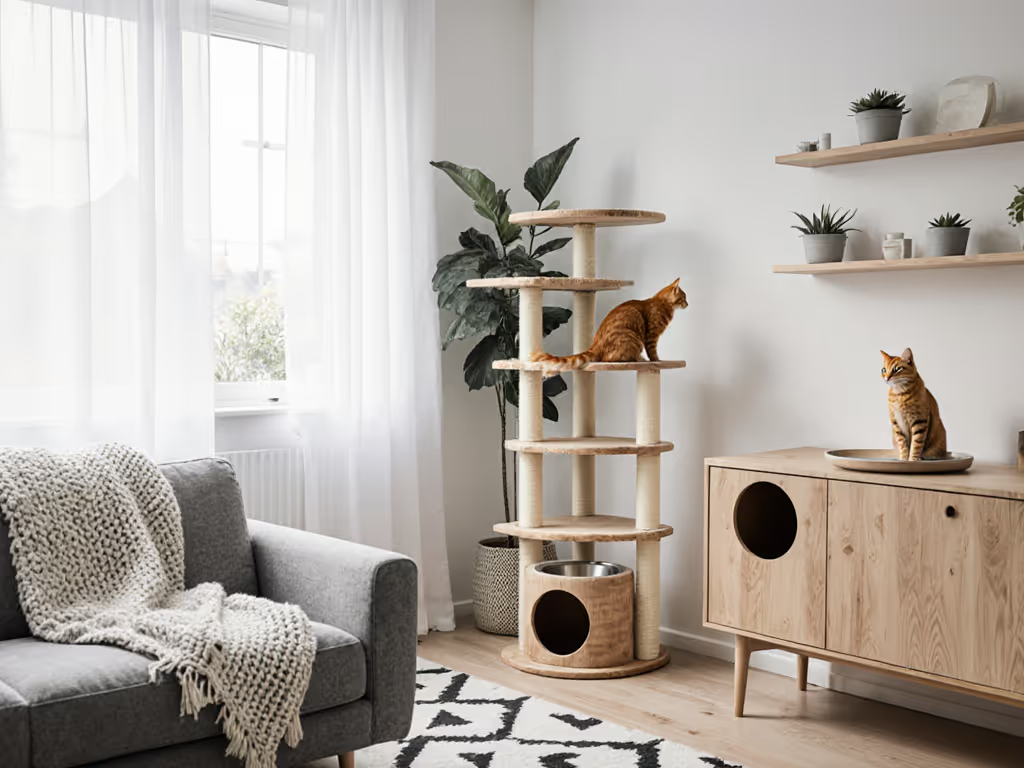
Small cat furniture that doubles as smart home integration works best when it's vertical and modular. Wall-mounted systems (shelving, floating perches, even minimal bracket-based climbs) integrate seamlessly into your space while leaving room for optional connectivity (motion sensors, temperature monitoring, activity logging).
This approach respects the constraint that often drives guardians toward smart features: wanting to maximize enrichment within minimal square footage. A vertical route up your living room wall uses zero floor space, offers your cat genuine climbing and perching instinct satisfaction, and can include an integrated camera or motion sensor without adding bulk.
The gentlest design philosophy: let the furniture speak first. Let the technology listen quietly.
Do I Need Multiple Platforms or Can I Consolidate?
Consolidation is tempting but often unnecessary. Most guardians benefit from selecting one ecosystem (Alexa, Google Home, or Apple) for their smart home core, then choosing IoT cat furniture that works within that ecosystem. This avoids the fragmentation headache: multiple apps, inconsistent notifications, competing routines.
However, if a specific high-quality connected pet furniture piece doesn't integrate with your primary ecosystem but meets your enrichment needs perfectly, buy the furniture first. Add a smart feature later if you find yourself actually needing it, rather than forcing integration for consistency's sake.
Genuinely useful smart pet furniture often solves a real problem you discover after living with your setup, not one you anticipate. I once guided a guardian who purchased an entire ecosystem of smart devices before setting up any base enrichment. Six months later, what actually mattered was a simple motion sensor on a shelf system, and it revealed that her multi-cat home needed better temporal separation of climbing routes. No fancy platform needed.
What Should I Prioritize When Evaluating Products?
How Do I Balance Smart Features With Long-Term Durability?
Here's a practical filter: prioritize furniture construction first, smart features second. Ask about warranty, material sourcing, and build stability. A $400 modular shelf system with embedded activity tracking that lasts eight years serves you better than a $250 smart perch that needs replacement in two years.
When reviewing products, look for:
- Material honesty: solid wood, natural sisal, or bamboo rather than veneer or plastic
- Structural anchoring: wall-mounted systems must be properly weighted and installed
- Cleaning accessibility: smart features shouldn't trap dust or make maintenance harder
- Backward compatibility: can you use the furniture without the app if the smart feature becomes obsolete?
Environmental impact matters for your audience, and disposable smart pet furniture contradicts that value. Choose pieces designed for longevity with optional, not essential, technology.
How Do Activity Monitors Align With Behavioral Health?
Cat behavior monitoring systems offer one genuine advantage: they shift you from guessing about your cat's well-being to observing actual patterns. If a platform logs that your cat suddenly stops climbing at their usual time, or reduces litter box visits, you have real data. If monitoring shows your cat engages with enrichment consistently, you have confirmation that your setup is working.
The limitation is that data means nothing without context. An activity monitor can't diagnose illness; that's veterinary work. It can't create enrichment; that's your environmental design. What it can do is give you confidence that the enrichment you've built is actually being used, and alert you to changes that might warrant investigation.
Use monitoring as a reflective tool, not a decision-maker. Meet the need, not the symptom.
Where Do I Start if I'm New to Smart Home Cat Furniture?
Should I Build a Smart Ecosystem First or Choose Furniture First?
Choose furniture first. Here's why: your cat's physical environment shapes behavior far more than connectivity features. A guardian who invests in quality wall-mounted shelving, varied heights, and natural-material scratching surfaces will see enrichment success regardless of smart integration. A guardian who adds smart features to poor furniture design will feel frustrated by both the environment and the technology.
Start by mapping your space: where does your cat naturally want to climb? What perches already attract them? What scratching or rubbing surfaces do they favor? Build your base enrichment around those instincts first by using solid materials, predictable placement, and clear sightlines. Then consider where a simple monitoring tool (a motion sensor, a temperature tracker, a camera angle) might deepen your understanding.
This sequence prevents the common mistake of assuming technology solves boredom or behavioral issues. It doesn't. Thoughtful space design does. Technology can measure its effectiveness.
What's a Realistic Budget for Quality Smart Cat Furniture?
Quality small cat furniture with integrated or compatible smart features ranges from $200 for a simple wall-mounted modular system with optional tracking to $800+ for comprehensive multi-level installations with full ecosystem integration.
A practical starting point: invest $300-$500 in solid base furniture (wall-mounted shelves, climbing routes, hideaways), then add a single smart feature ($100-$200) that solves a specific problem you've identified. For long-term costs, see our cat tree value comparison. This approach spreads cost, lets you learn what features actually matter to your household, and avoids buyer's remorse from over-specifying technology.
Many guardians find that a simple motion sensor on existing quality furniture delivers more value than an expensive all-in-one smart perch. Start modestly. Expand thoughtfully.
Moving Forward: What Questions Should Guide Your Choice?
Before selecting a platform or product, ask yourself:
- What enrichment does my cat need right now? (Vertical space? Hiding spots? Textured surfaces? Multiple zones?)
- What smart feature would actually solve a real problem in my home? (Remote monitoring while I work? Activity tracking for multi-cat dynamics? Temperature comfort in winter?)
- Which smart home ecosystem already exists in my space? (Alexa? Google? Apple? Or none yet?)
- How much space do I have, and what aesthetic matters to me? (Minimalist? Modern? Living room-integrated? Spare room?)
- How long do I want this furniture to last? (3 years? 8 years? Longer?)
Your answers will naturally guide you toward platforms and products that genuinely fit your home and your cat's needs, rather than chasing trends or assuming that more technology means better enrichment.
The most successful guardians I've worked with treat smart cat furniture not as the solution, but as a tool for measuring how well their core enrichment strategy is working. That distinction shifts everything: from shopping for gadgets to building a home where your cat can truly thrive.
Related Articles