Stable Cat Furniture Solutions Based on Feline Personality
By Keiko Tan • 7th Feb
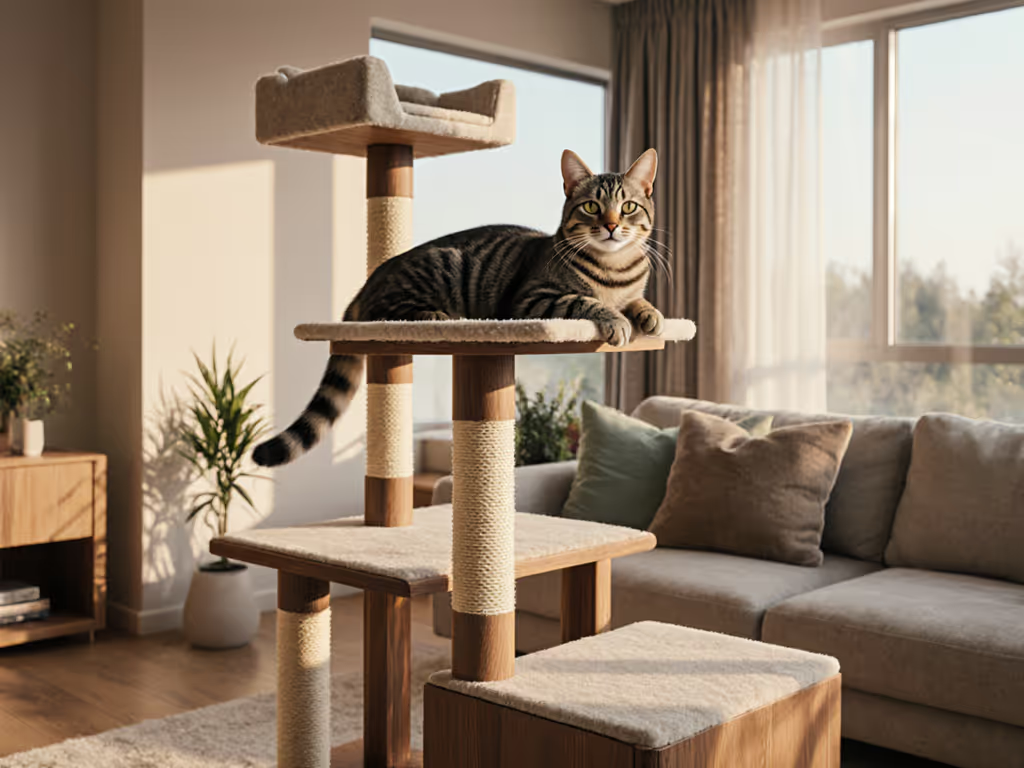
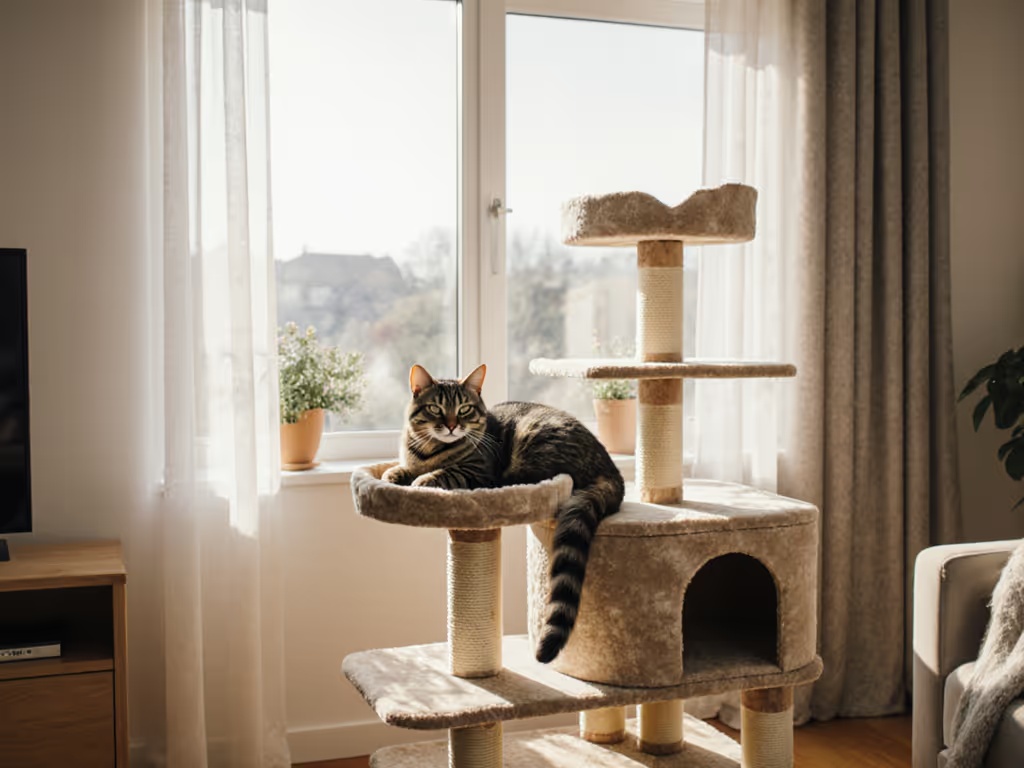
When your cat leaps onto cat protection furniture that wobbles under their weight, it's not just an eyesore, it's a hazard. Too many owners buy unique cat furniture based solely on aesthetics or size, only to discover it fails to match their cat's natural instincts. The truth? Safety and stability must align with feline personality for truly effective solutions. After years of load-testing platforms and analyzing failure points, I've found that understanding your cat's behavioral tendencies is the critical first step toward creating a secure, harmonious living space. If it wobbles, it fails. For standards, anchoring methods, and at-home tests, see our certified cat furniture stability guide.
Why Personality Matters More Than Size
Most shoppers fixate on "big cat furniture" versus "small cat furniture" without considering how a cat actually uses vertical space. Research confirms cats express five core personality dimensions: Neuroticism, Extraversion, Dominance, Impulsiveness, and Agreeableness, collectively dubbed the "Feline Five." These aren't quirks; they're predictors of how your cat will interact with structures. A 2017 study analyzing 2,802 cats proved these traits consistently influence behavior, meaning your furniture choices must account for more than just paw size. I learned this the hard way after a toppled store-bought tower left splinters in my palm, a lesson that drove me to reject any platform that couldn't withstand sandbag testing. For personality-tailored layouts in tight homes, explore our small-space personality design guide.
How to Assess Your Cat's Personality
Skip the gimmicky quizzes. Conduct a rigorous two-week observation using these measured steps:
- Track reactions to novelty: Note if your cat hides (high Neuroticism) or investigates (high Extraversion) when new objects enter the room
- Map social dynamics: Observe interactions with people/other pets; dominant cats guard resources, agreeable cats share space
- Test impulse control: Dangle a toy just out of reach; impulsive cats lunge recklessly while cautious ones stalk deliberately
- Document energy patterns: Extraverts sprint vertically; neurotic cats prefer low, enclosed perches
Safety first; then style, then everything else falls into place. This isn't preference, it's physics. A skittish cat won't use a flimsy high perch, no matter how "Instagrammable" it appears.
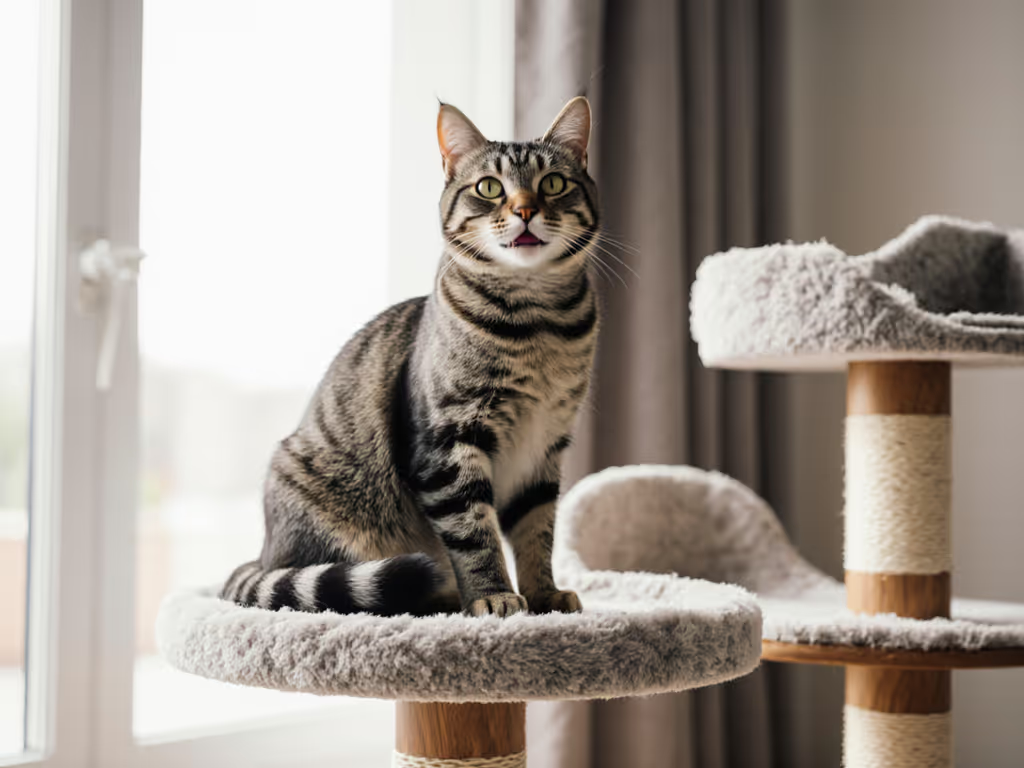
Matching Furniture Stability to Personality Types
Neurotic Cats: The Security-First Design
Traits: Insecure, fearful of people, suspicious, shy
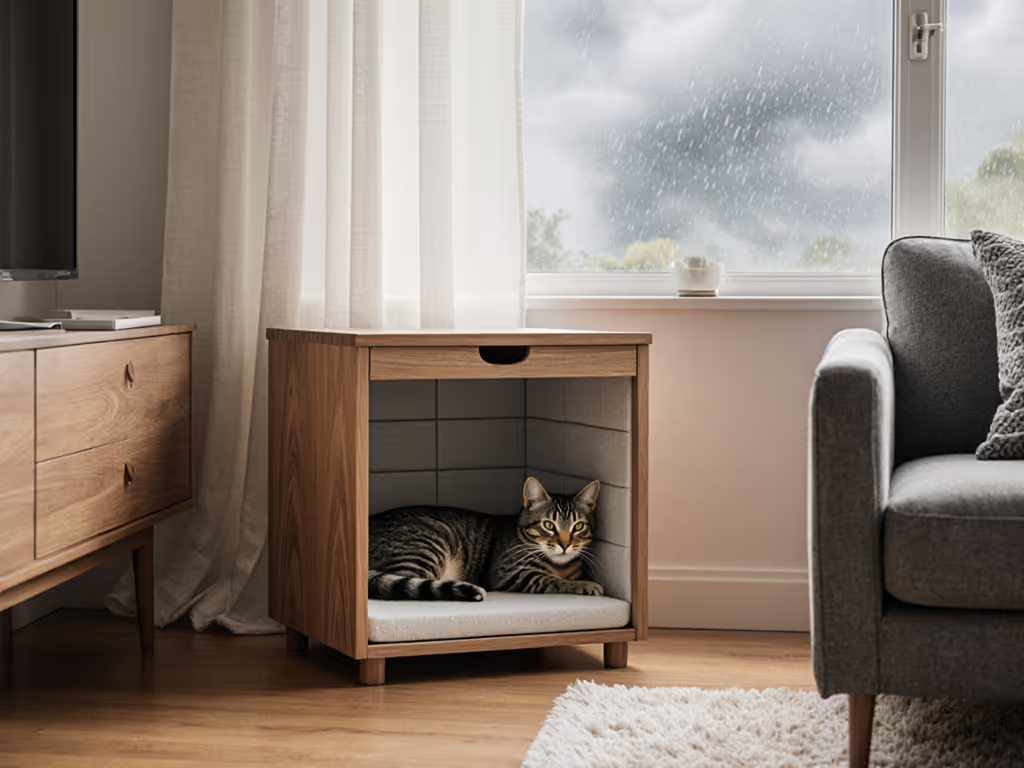
These cats need bolted-down "safe zones" with enclosed bases. Avoid open-platform towers; they'll trigger hiding behaviors. Instead:
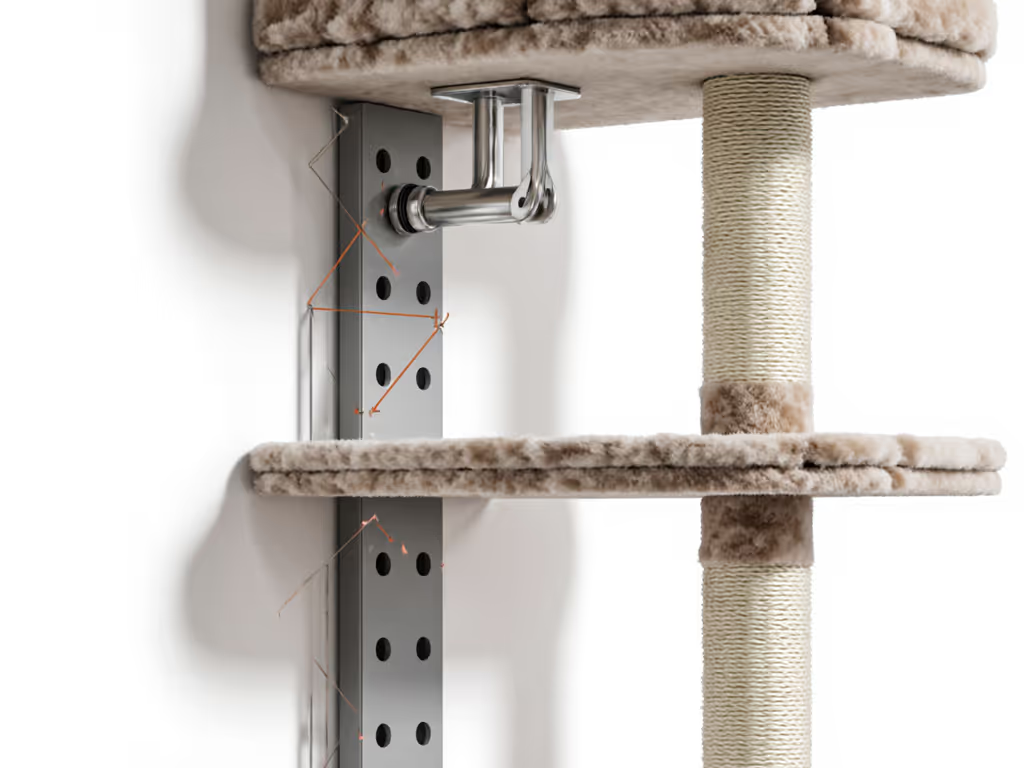
- Install wall-mounted shelves anchored into studs (not drywall anchors alone)
- Choose low-height platforms (under 24") with solid back panels
- Reject any finish with lingering VOCs; neurotic cats detect chemical smells others ignore
- Critical check: Press down hard on the platform; if it flexes more than 1/8", discard it
Remember: A stressed cat won't use furniture that feels unstable, even if it technically supports their weight.
Extraverted Cats: Engineering for High-Energy Play
Traits: Active, curious, playful
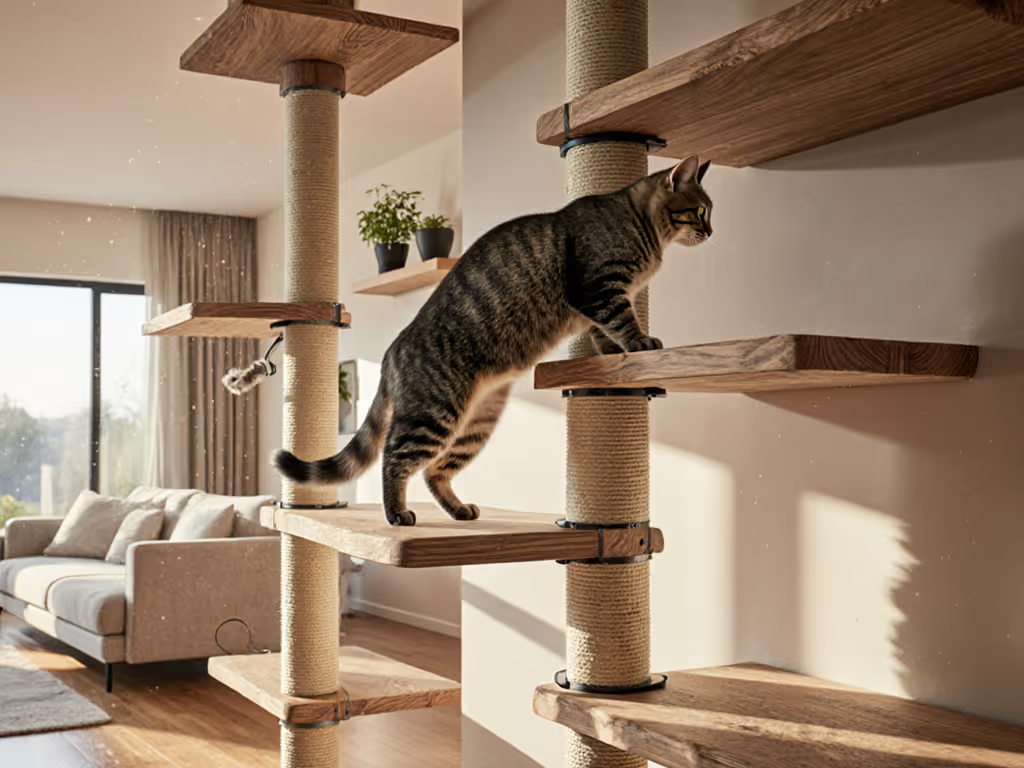
Your acrobat needs furniture that withstands dynamic loads (sudden jumps, sharp pivots). Standard "big cat furniture" often fails here:
- Verify posts are minimum 3.5" diameter solid wood (not hollow cardboard)
- Require double-anchoring at both top and base (single-point anchors tip under lateral force)
- Prioritize non-toxic, textured sisal (not fabric) for scratching surfaces; extraverts destroy soft covers in weeks
- Failure point: Platforms with >16" overhang unsupported by brackets
Dominant Cats: Reinforcing Territory Boundaries
Traits: Assertive, resource-guarding, confident
These cats treat furniture as territory. Stability prevents destructive "reclaiming" behaviors: For conflict-free layouts and vertical routes, see our multi-cat territory design guide.
- Install multiple identical platforms (dominant cats claim all available space)
- Use metal L-brackets through all wall-contact points
- Select neutral, matte finishes; glossy surfaces reflect threats that trigger marking
- Checklist: Test with 2x your cat's weight applied off-center
Impulsive Cats: Containing Reckless Momentum
Traits: Erratic, impulsive, playful
They'll charge platforms at full speed. Your furniture must absorb impact:
- Choose platforms with 2"+ solid wood bases (no particleboard)
- Install rubber shock-absorbing pads under base plates
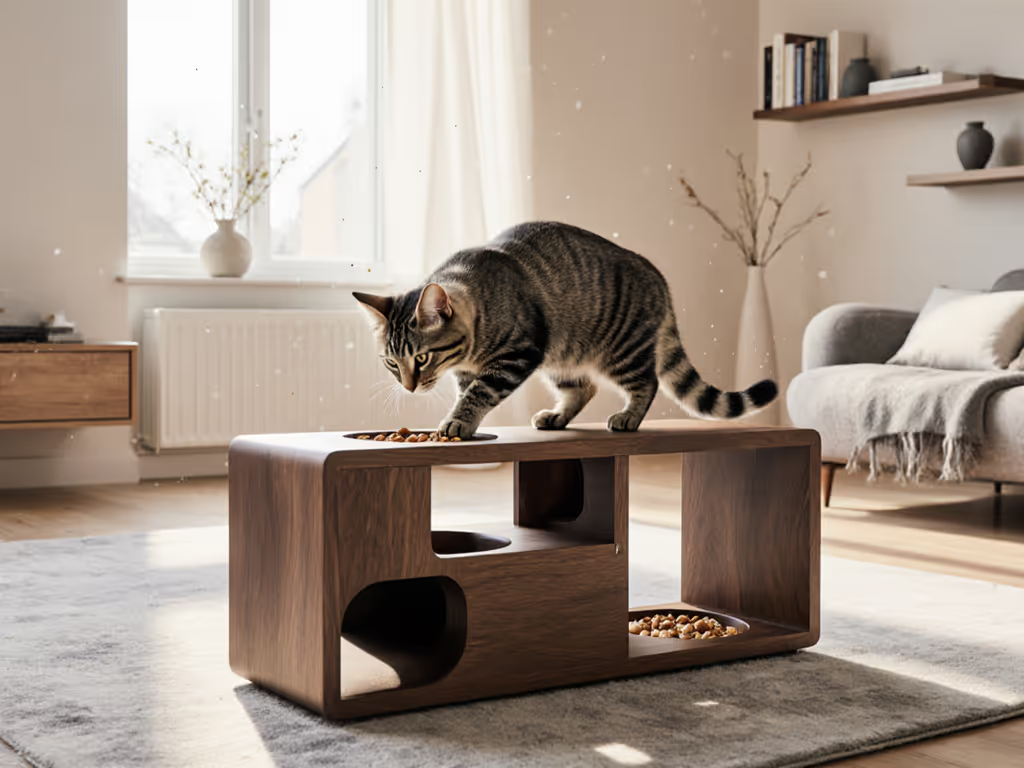
- Avoid narrow ledges; opt for wide, flat surfaces (minimum 12" depth)
- Red flag: Any furniture requiring assembly with only plastic cam locks
Agreeable Cats: Shared Space Solutions
Traits: Gentle, social, adaptable
These cats tolerate multi-cat setups but still need failsafes:
- Space platforms to prevent "perch blocking" conflicts (minimum 18" vertical separation)
- Use identical anchor types throughout for consistent load distribution
- Select washable, low-pile surfaces; aggressive grooming transfers more hair to plush fabrics
- Non-negotiable: All wall anchors must be rated for 5x the combined cat weight
The Non-Toxicity Imperative
Personality affects chemical sensitivity too. Neurotic cats react strongly to off-gassing finishes, so reject any product where smells persist beyond 24 hours. I've scrapped builds after noticing my cat avoiding freshly finished platforms, even when I couldn't detect odors. Opt for:
- Water-based polyurethanes (certified zero-VOC)
- Natural oils like walnut or linseed (fully cured)
- Unfinished wood you treat yourself, never "pre-treated" composites
Rigorous finish testing isn't optional. Hang a scrap near your cat's favorite spot for 72 hours. If they avoid it, the furniture fails.
Final Verdict: Stability as the Universal Solution
After years of stress-testing hundreds of configurations, one principle holds true across all personality types: Furniture must first survive my checklist before it earns my cat's trust. Whether you have a skittish neurotic cat or a daredevil extravert, prioritize these non-negotiables:
- Anchoring: Multiple wall attachment points in all structural layers
- Materials: Solid wood posts, no particleboard, certified non-toxic finishes
- Testing: Platforms must hold 3x maximum expected weight without visible flex
- Design: Angled supports for dynamic loads (not just vertical weight)
Stop compromising safety for style. Your cat's personality isn't a decoration filter, it's a blueprint for structural requirements. When you build for stability first, then integrate into your home's aesthetic, you create furniture that lasts years, not months. That quiet, sturdy platform where my cat naps during vacuum drills? It's not special, it's just properly engineered. And that's the only kind of cat protection furniture worth buying.
Safety first; then style, then everything else falls into place.
Related Articles