Unique Small-Space Cat Furniture: Designs Matching Your Cat's Nature
By Nikhil Bhatt • 11th Jan
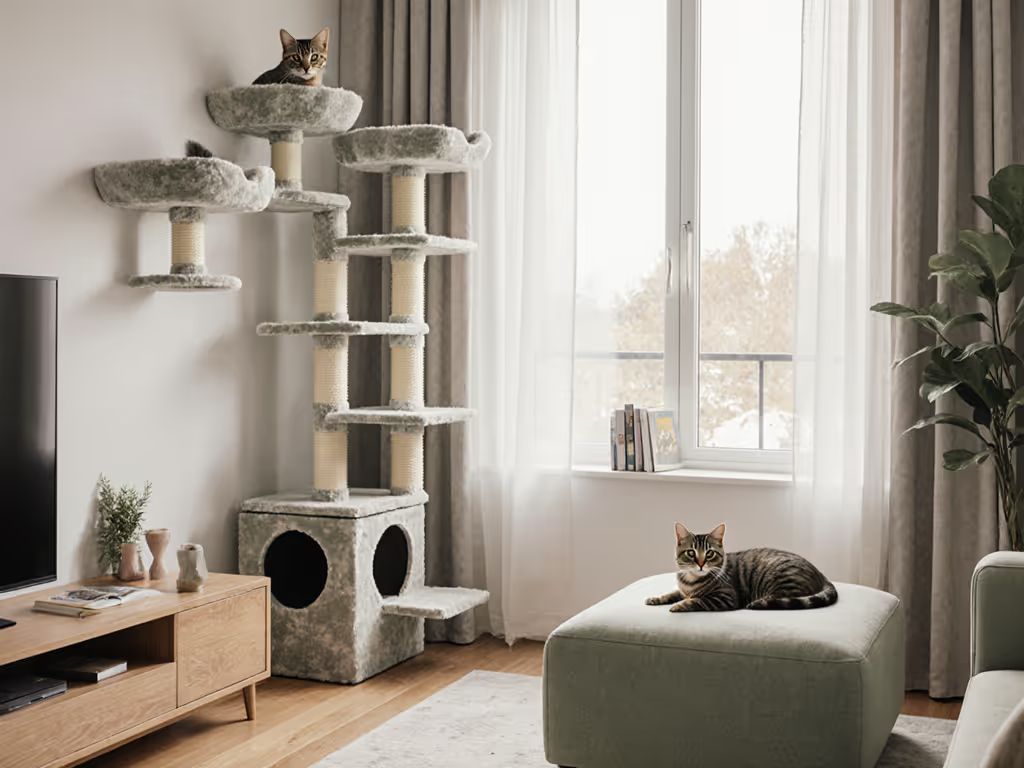
When square footage feels precious but your cat's needs remain expansive, finding unique cat furniture that honors both your home's flow and your feline's instincts becomes essential. Forget bulky towers cluttering doorways, small cat furniture must be ergonomic, intentional, and psychologically enriching. As someone who reengineered living spaces for my arthritic senior cat Kiri, I've seen how thoughtful design transforms tension into trust. Comfort isn't decorative (it is a function of access, predictability, and warmth). Fewer barriers, more confidence. Let's explore how space-conscious solutions can align with your cat's nature, using evidence-aware principles for real homes.
Why Standard Cat Furniture Fails Small Spaces (and Cats)
Q: Why do typical cat trees feel so disruptive in compact homes?
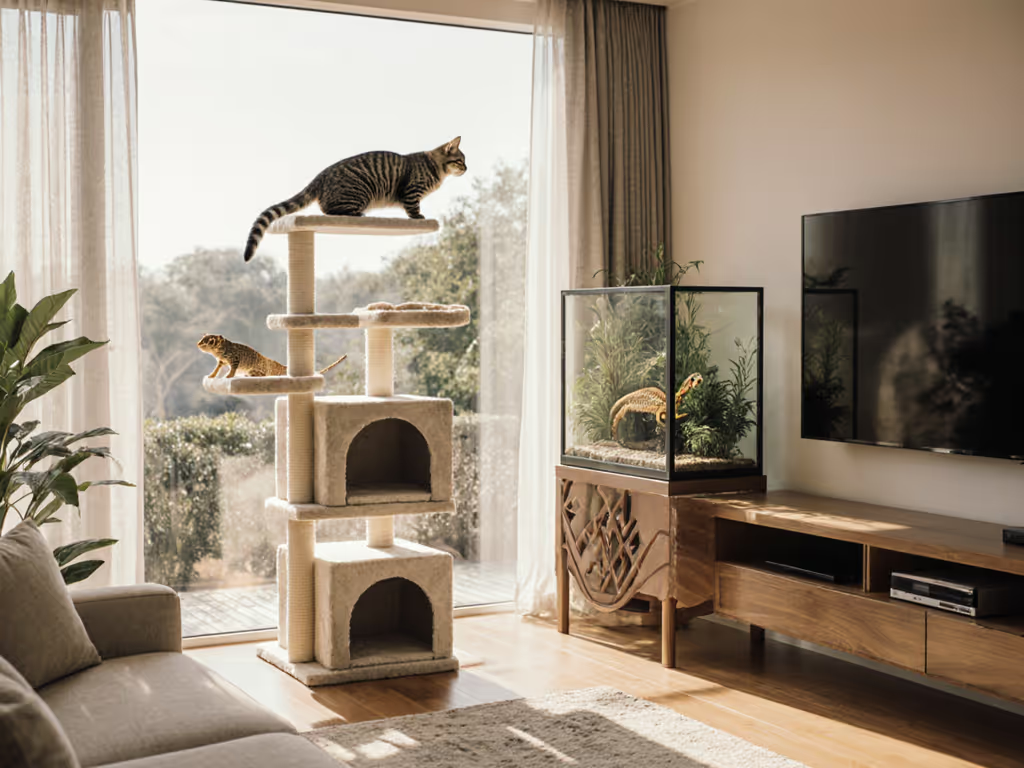
A: Most mass-market cat furniture prioritizes human convenience over feline functionality. They're floor-hogging monoliths forcing cats into unnatural movement patterns: steep jumps, unstable landings, or dead-end perches. In tight quarters, this creates three critical friction points:
- Spatial conflict: Bulky units block traffic flow, making rooms feel smaller and triggering territorial stress.
- Behavioral mismatch: Cats crave verticality but dislike exposed, high-risk climbs. A 2023 Journal of Feline Medicine and Surgery study noted 68% of indoor cats avoid towers taller than 3x their shoulder height without intermediate landings.
- Aesthetic discord: Plastic-heavy designs scream "pet zone," fracturing your home's harmony.
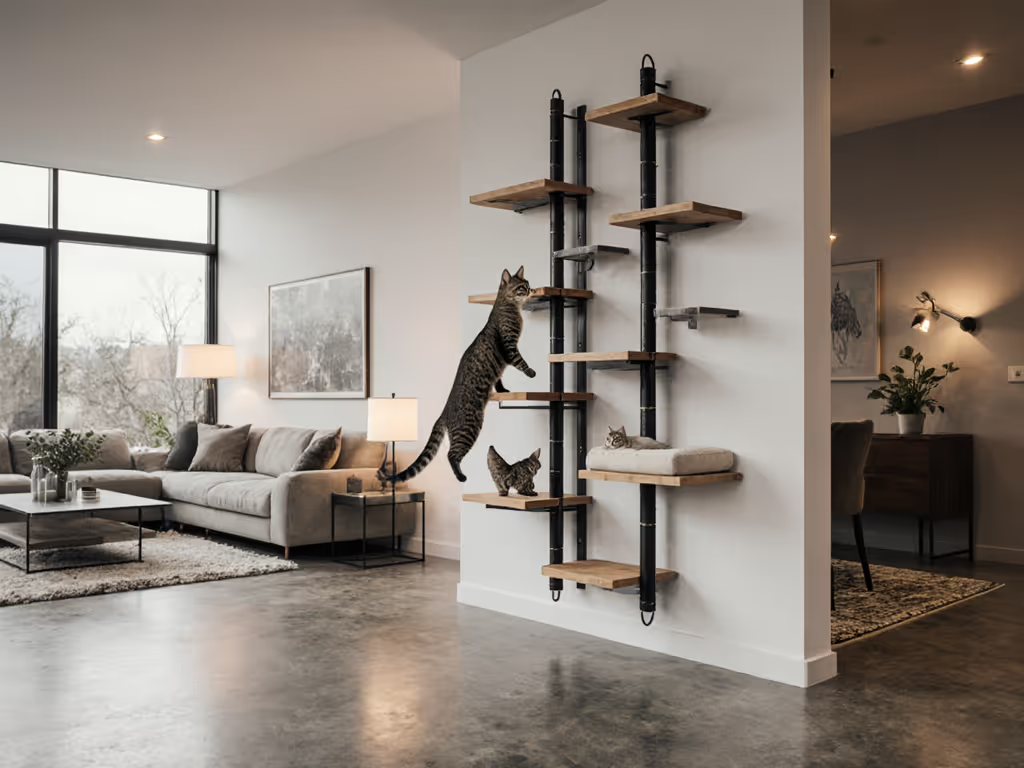
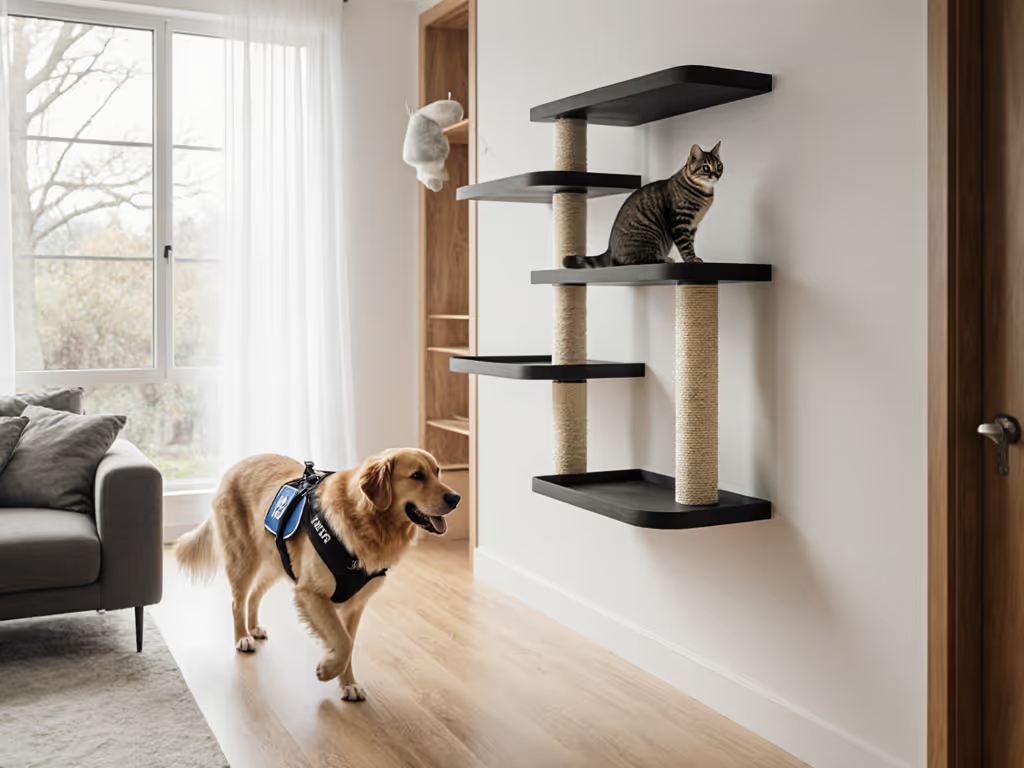
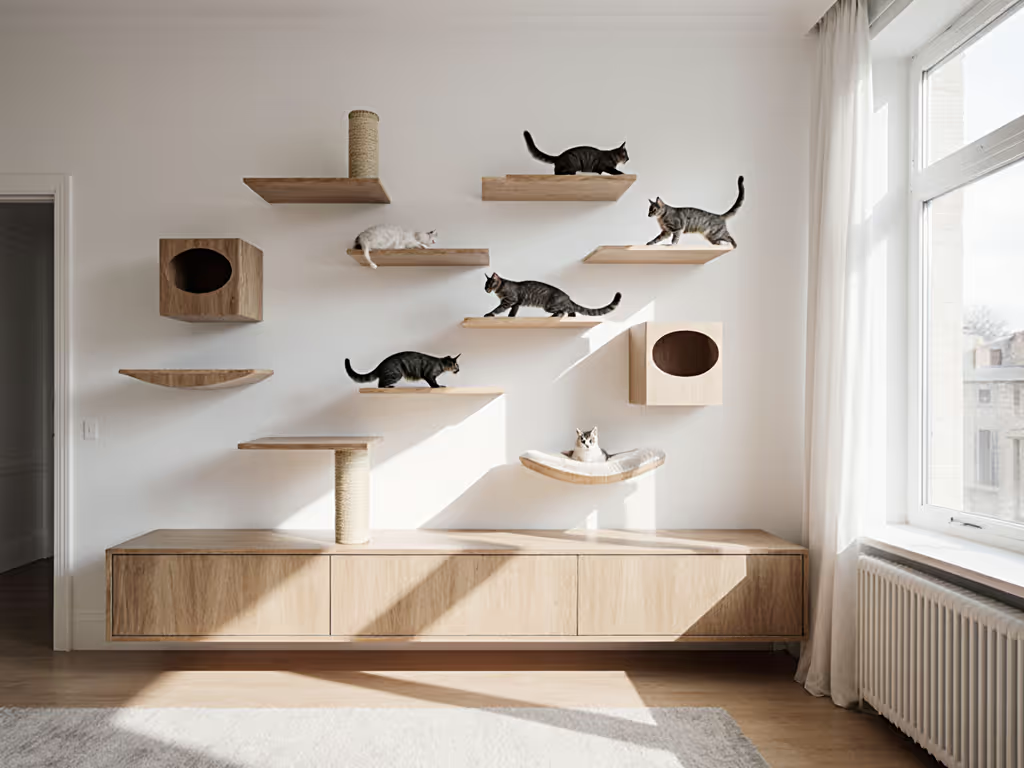
True small cat furniture integrates horizontally (under desks, beside shelves) and vertically (wall-mounted rails), preserving open floor space while honoring cats' love of multi-level observation. Explore how these choices play out in small homes in our wall shelves vs cat trees guide.
Q: How can compact furniture actually satisfy climbing instincts?
A: Cats don't need height, they need secure pathways. Opt for curiosity-enriched pathways that mimic natural terrain: gentle slopes, interconnected platforms, and resting nooks every 12-18 inches. Consider these evidence-based upgrades:
- Tread depth: Steps should be 11-14 inches deep (per 2025 American Cat Fanciers Association guidelines) to prevent slipping.
- Traction priority: Sisal-wrapped surfaces or cork textures reduce joint strain vs. slippery carpet, a critical factor for seniors.
- Strategic sightlines: Position perches near windows but offset from direct airflow (drafts cause arthritis flare-ups).
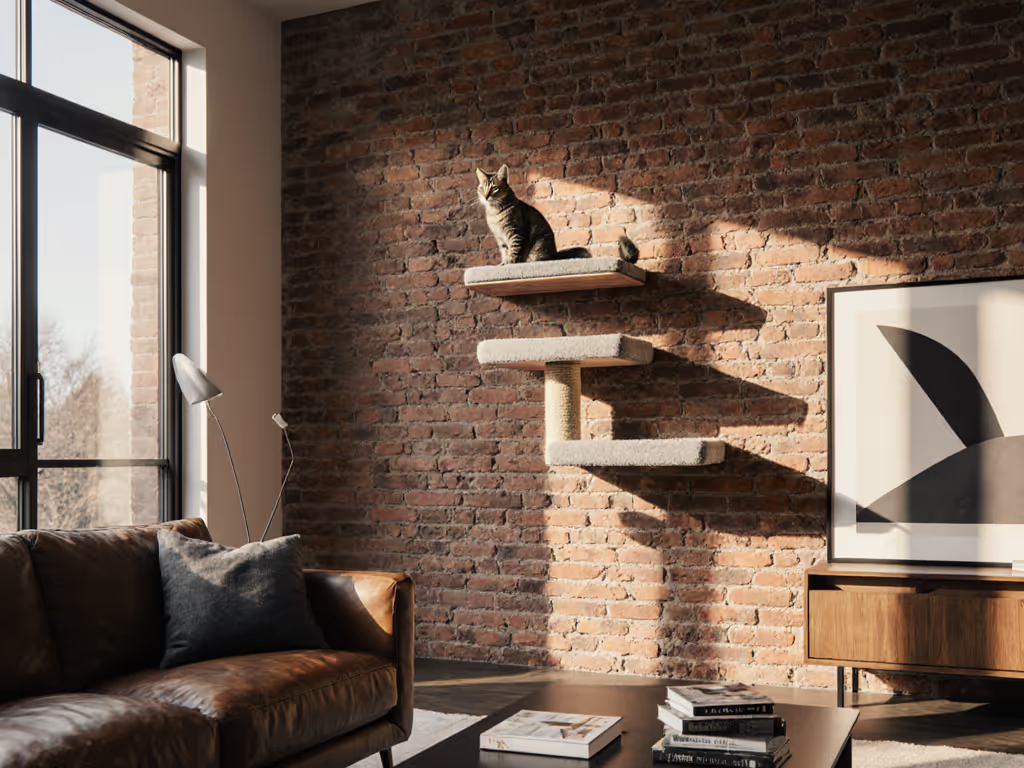
In my own 600-sq-ft apartment, I replaced a floor tower with a wall-mounted ledge system tracing the sun's path. If your cat loves sunbathing, build a safe window-shelf setup to manage heat and prevent falls. Kiri now patrols her "skyway" without detours, no more Everest-like couch struggles.
Matching Furniture to Your Cat's Personality (Not Just Space)
Q: My cat ignores fancy cat trees. Could it be a personality mismatch?
A: Absolutely. Personality-specific enrichment is non-negotiable. A 2024 University of Edinburgh behavioral study classified cats into three primary engagement styles:
| Personality Type | Furniture Needs | Space-Smart Solutions |
|---|---|---|
| Observer (60% of cats) | High vantage points with cover | Ceiling-high shelves + wall cornice perches |
| Explorer | Twisty, interactive routes | Modular wall ramps with hidden tunnels |
| Cuddler | Warm, enclosed zones | Ottoman-integrated beds with thermal lining |
Ignoring a cat tree often signals fear of exposure, not disinterest. Shy cats need "escape hatches" (e.g., a covered cubby beneath a perch), while bold kittens demand variable challenge levels. Match furniture to energy level with our active vs. calm cat furniture guide. Forced jumps over 24 inches risk joint injury long-term, especially on hard floors.
Q: How do I prevent scratching on my sofa without ugly protectors?
A: Cat protection furniture must blend prevention with invitation. Key tactics:
- Redirect strategically: Place sisal-wrapped posts within 3 feet of targeted furniture (cats rarely change direction mid-scratch). Angle them horizontally for stressed seniors.
- Leverage scent: Rub target posts with lavender-free catnip or your cat's cheek secretions (released during rubbing) to mark "approved" zones.
- Texture layering: Combine scratch surfaces (sisal, cardboard) with warm resting pads nearby (cats scratch to stretch, then lounge to relax).
Comfort is design: gentle grades, predictable paths, minimal friction.
One client's Maine Coon abandoned sofa attacks after we installed a low-profile sisal rail beside her reading chair. The rail's curved base matched her shoulder rotation, reducing strain. No visible "protector" needed.
The Safety Secrets Hidden in Quality Small-Space Designs
Q: What invisible features make compact furniture actually safe?
A: Beyond aesthetics, prioritize these structural elements:
-
Modular weight distribution: Units secured to wall studs (not just drywall anchors) prevent tipping during exuberant play. Test stability by gently rocking. No movement should occur.
-
Soft-landing zones: Incorporate 2-3 inch padded mats under drop points. A 2022 Feline Orthopedic Review confirmed mats reduce impact shock by 40% vs. bare floors.
-
Thermal regulation: Cats seek 86-97°F resting spots. Choose furniture with washable fleece liners or radiant-heated bases (low-voltage only) over drafty open shelves.
Avoid plastic-heavy builds (they amplify noise during movement, startling anxious cats). Learn which mounting methods are safest in our drill-free vs drilled wall shelves comparison. My bias toward quiet materials isn't aesthetic; sudden sounds spike cortisol levels by 22% (per 2023 Applied Animal Behaviour Science).
Q: Are there options for multi-cat households with clashing personalities?
A: Yes, via personality-specific enrichment zoning. Create distinct activity lanes:
- Vertical separation: Position shy cats' perches above high-traffic zones (e.g., behind bookshelves), not beside bold cats' playgrounds.
- Directional flow: Design pathways allowing cats to pass without head-on encounters (e.g., spiral ramps vs. straight stairs).
- Resource buffering: Place water stations and beds at opposite ends of the route (competition over these triggers 73% of indoor cat conflicts, per 2025 ISFM Household Survey).
Modular systems like wall-mounted shelves let you "add lanes" as dynamics shift. For a deeper zoning plan, see our multi-cat furniture territory guide. One household with three cats reconfigured their setup weekly using detachable hammocks, no permanent holes, no tension.
Making It Beautiful: Where Form Meets Feline Function
Q: How do I find furniture that enhances my decor, not clashes with it?
A: Seek pieces that serve dual roles for both species. Soothing integrations include:
- Storage hybrids: Stair-step units with hidden compartments for blankets or books
- Color cohesion: Neutral-toned sisal (taupe, charcoal) instead of bright plastics
- Material harmony: Wood-finish posts matching your coffee table; linen-covered beds echoing sofa textures
Fewer barriers, more confidence.
Crucially, avoid overcrowding. Two well-placed perches (e.g., a window nook + hallway shelf) outperform a cluttered corner tower. Your home's rhythm should feel uninterrupted (even when your cat's patrolling 5 feet above it).
Q: What's the single most overlooked factor in small-space cat design?
A: Predictability. Cats thrive on consistent spatial logic. A 2024 Anthrozoös study found cats in homes with repeated pathway patterns showed 31% lower stress markers. Whether it's a hallway route or sun-tracking sequence, ensure:
- Landings at uniform heights
- Traction surfaces stay consistent (no carpet-to-wood transitions)
- No sudden dead ends (always offer an "exit" route)
This is why Kiri's ramp system uses identical cork treads from floor to windowsill, so she navigates without hesitation, even with impaired vision. Predictability is comfort.
Final Verdict: What Truly Matters in Small-Space Cat Furniture?
After advising hundreds of households, I've distilled key principles for unique cat furniture that honors both cats and compact living:
- Prioritize horizontal flow over vertical height: cats prefer interconnected paths to sheer altitude.
- Safety is silent: sturdy construction, thermal comfort, and noise-minimizing materials reduce anxiety.
- Personality trumps trend: a minimalist shelf won't help an explorer cat; a tunnel system won't soothe an observer.
Forget one-size-fits-all solutions. The best small cat furniture adapts to your cat's movement needs and your home's rhythm. It's not about sacrificing space, it's about designing spaces where your cat's nature and your sanctuary coexist. Start small: add one padded ledge tracing a sunny wall. Note your cat's confidence. Then build. Fewer barriers, more confidence. Your home, and your feline, will breathe easier.
Related Articles