Multi-Species Cat Spaces: Design for Reptile Homes
By Tariq Al-Khalil • 12th Apr
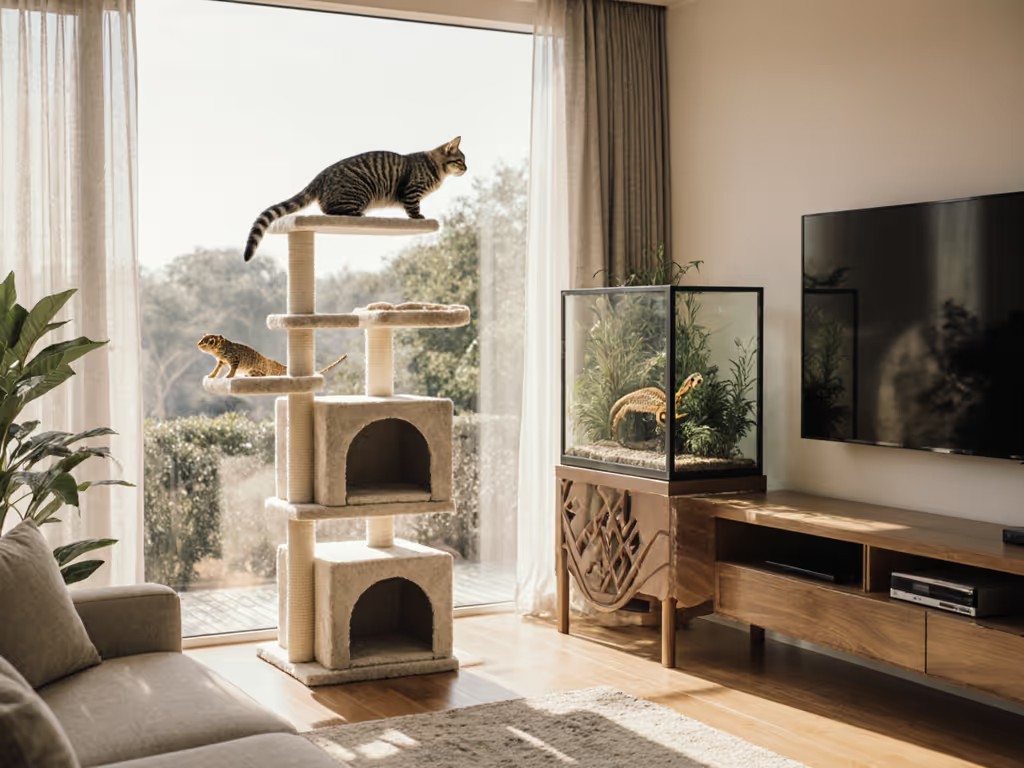
When cats and reptiles share a home, the design challenge shifts from aesthetics alone to orchestrating multi-species household cat spaces that honor each animal's behavioral and environmental needs. Creating harmonious cohabitation requires deliberate separation strategies, thoughtful resource placement, and a foundational understanding that territories (both visible and olfactory) are non-negotiable for feline peace of mind.
Understanding the Core Challenge
Why do cats and reptiles struggle to coexist in shared spaces?
Cats are predators; reptiles trigger chase responses. More subtle is the sensory conflict: the humidity, warmth, and smell of a reptile enclosure can create constant, low-level tension for a cat trying to settle. This isn't aggression; it's overstimulation. A cat's territory includes not just floor space, but what it can smell, see, and predict. When those signals conflict, stress behaviors follow: scratching, redirected aggression, or loss of appetite. For the science behind enrichment that reduces these issues, read our cat enrichment guide.
The solution isn't to force coexistence but to design distinct territories that rarely intersect. Think of your home as layered ecosystems, each with its own climate, scent profile, and traffic patterns.
Designing with Species Separation in Mind
How should I physically separate cat and reptile zones?
The most effective approach uses species separation cat pathways (intentional routes through your home that allow each species to move without crossing the other's primary territory). This works because cats are routine-minded; they learn pathways and develop predictability around them. For multi-room planning, follow our cat highway guide.
Consider your floorplan as having distinct "lanes":
- Designate a closed room or quiet corner for the reptile enclosure, ideally one where ambient humidity and temperature won't conflict with the cat's comfort zone
- Create a visual and physical barrier (closed door, baby gate with opaque panel, or tall furniture) that prevents direct sightlines between territories
- Establish a main cat pathway that bypasses the reptile zone entirely (stairs, hallways, or window routes where the cat can move freely without triggering predatory interest)
- Place litter boxes, food, water, and primary perches along the cat's natural route, not in neutral territory where conflict might arise
The principle mirrors what works in multi-cat households: resources are most useful when distributed, not when clustered. One of the most reliable findings from behavioral research on group housing is that cats thrive when they can access essentials (food, water, litter) without crossing paths with animals that create tension. Spread these resources so your cat has multiple safe options.
What about vertical space in a multi-species home?
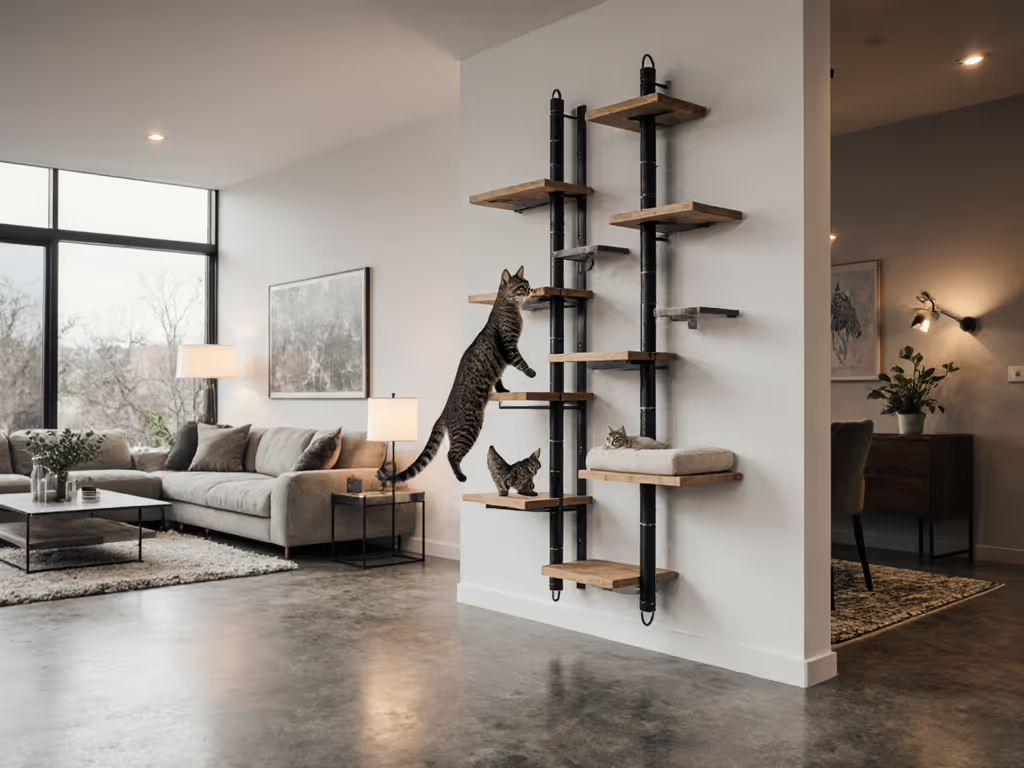
This is where cheap cat furniture myths break down. Vertical structures aren't luxuries; they're territorial anchors. A cat perched above the reptile enclosure gains both literal and psychological distance (what researchers call a "buffer zone"). This isn't vanity; it's neurological necessity.
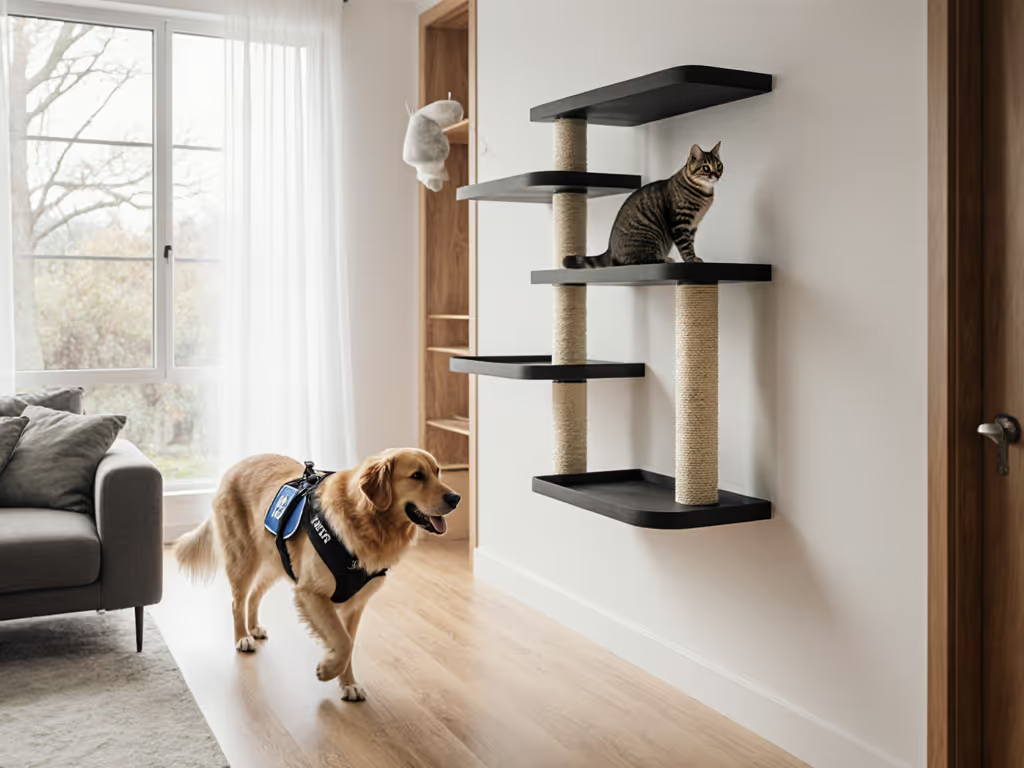
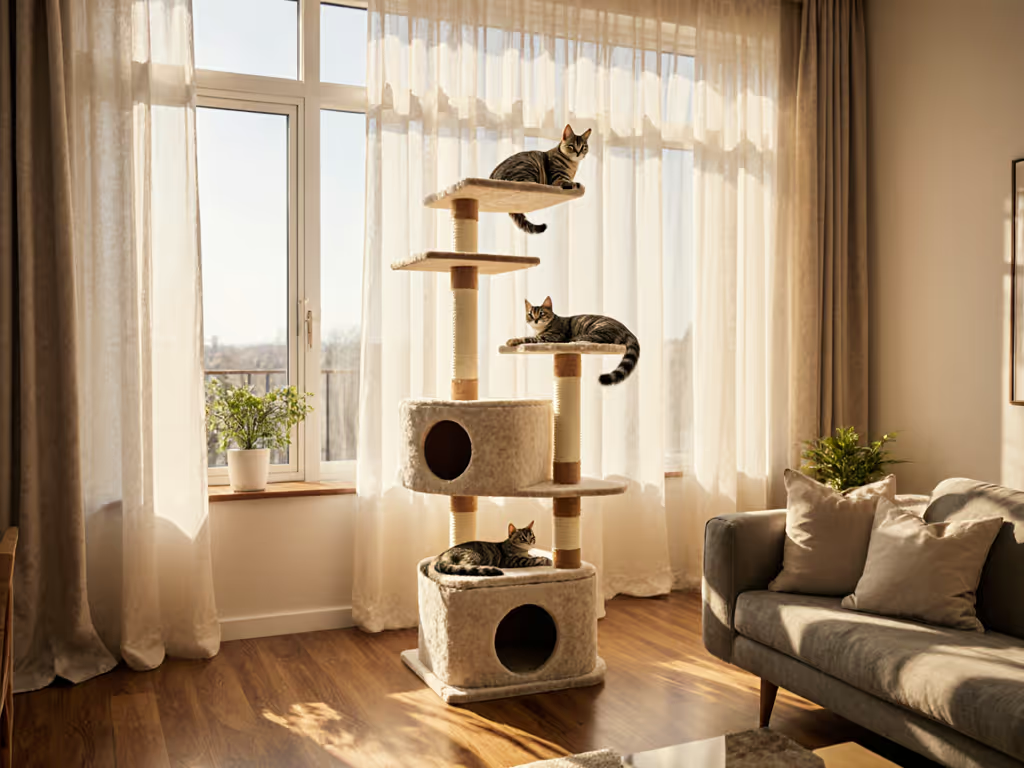
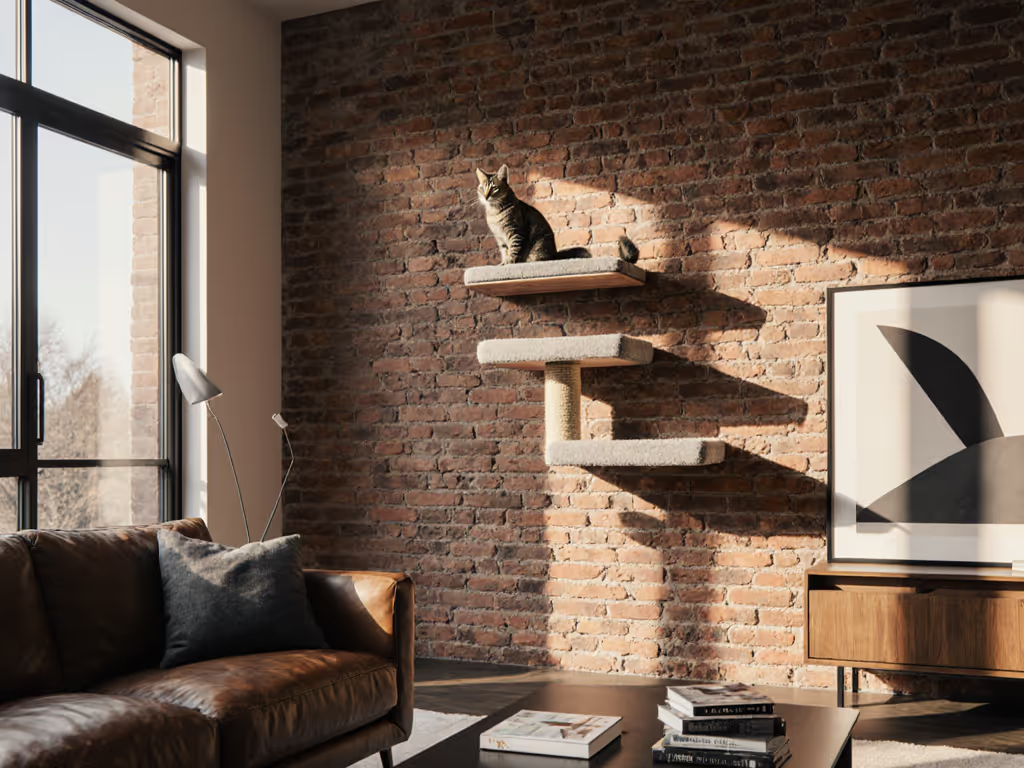
Invest in stable, built-in shelving along walls: wall-mounted brackets holding wood planks cost a fraction of prefabricated cat trees and integrate seamlessly into home design. Combine fixed shelving with one or two complex, anchored structures (a tall cat tree placed against a corner wall, never near the reptile area) that allow your cat to climb, rest, and survey from above.
The key: elevate in directions away from the reptile enclosure. If your bearded dragon's tank sits on a dresser, your cat's highest perch should be on the opposite side of the room, accessed via a wall route that doesn't pass through the reptile's sightline.
Mastering Temperature and Sensory Zones
How do I manage different environmental needs?
Reptile enclosures require specific temperature zone cat furniture (localized humidity and heat). This creates a natural boundary: your cat will naturally avoid overheated, humid microclimates. This is actually an advantage. Rather than fighting your cat's instinct to seek comfortable environments, use it.
Keep the reptile zone (enclosure, heating pad, humidifier, related equipment) in an area where temperature and humidity naturally stay higher, such as a corner away from vents, a less trafficked room, or a space with controlled airflow. Your cat will instinctively retreat to cooler, drier zones where it feels safe.
Placement also addresses one hidden concern: the smell problem. Reptile enclosures (heat lamps, substrate, uneaten food) create distinct scent markers. Smell is a room too. To your cat, a distant reptile enclosure doesn't feel like a threat; it feels like a completely different territory. Proximity amplifies conflict; distance dissolves it.
Building Cross-Species Scent Barriers
Can I use scent management to reduce tension?
Yes, though not in the way many assume. Cross-species scent barriers work by helping your cat map your home into distinct sensory zones. This is where subtle design choices matter:
- Separate litter protocols: Keep cat litter far from reptile areas. The cat's bathroom territory should feel entirely separate from where the reptile lives. This prevents territorial urine marking near the enclosure.
- Air circulation: Use fans to direct air flow away from cat resting areas and toward windows or vents. This prevents reptile scents from drifting into your cat's perceived "zone."
- Scent enrichment: Refresh your cat's primary territory (bed, scratching post, climbing route) with subtle scent markers, such as a blanket worn by the cat, or a pheromone diffuser placed along the cat pathway, but never near the reptile. This reinforces: this side is yours.
- Enclosure containment: Use tightly sealed reptile enclosures with good ventilation. Prevent leakage of heat, humidity, or odor into shared air.
A practical note: When I've worked with homes housing both cats and reptiles, the cats that settled fastest were those whose human didn't obsess over "socializing" them to the enclosure. Ignore the impulse to place the cat near the tank repeatedly. This compounds stress. Instead, map your cat's enrichment route away from it. Behavior blossoms when spaces speak your cat's native language (and that language doesn't include sharing territory with prey animals).
Resource Allocation in Multi-Species Homes
Where should I place food, water, and litter?
The formula from multi-cat research applies: one resource per cat, plus one, distributed throughout accessible zones. In a multi-species home, add the constraint of species separation:
- Litter boxes should be clustered in the cat's primary territory, far from the reptile zone, with at least one box per cat plus one extra
- Food and water placed along the cat's natural pathway, never in "neutral" territory where the cat might feel exposed or trapped
- Hiding spots and beds positioned so the cat can rest without visual access to the reptile enclosure
This prevents your cat from entering a physiological state where it's simultaneously trying to eat and cope with predatory stimulation. Cats don't multitask well emotionally; they need compartmentalized safety.
Practical Implementation: Creating Harmony
How do I start designing a multi-species space?
Begin with a behavior map, not aesthetics:
- Identify your cat's natural movement patterns (where it currently rests, eats, scratches, plays)
- Map the reptile enclosure's permanent location
- Trace a route between cat essentials that never crosses the reptile zone
- Install vertical structures (shelves, trees) along this route, placing the highest perches farthest from the enclosure Before mounting, review our stability testing guide for safe anchoring and tip-over standards.
- Distribute litter, food, water, and hiding spots at regular intervals along this route
- Seal or separate air circulation around the reptile area
- Observe: Does your cat's stress (redirected scratching, reduced appetite, urine marking) decrease? If not, increase physical separation further
The goal isn't tolerance. It's genuine territorial peace, where each species occupies a psychologically distinct space.
Questions to Guide Your Design
What if my space is small?
Small spaces demand more precision, not less. Use vertical separation aggressively (high wall shelves for cats, low or elevated enclosures for reptiles). A 400-square-foot apartment can house both species harmoniously if the reptile zone is physically and scent-sealed in a bathroom or closet, with the cat's enrichment route anchored to the opposite side. For compact layouts, see our small-space vertical solutions that maximize territory without clutter.
Should I try to acclimate my cat to the reptile?
No. Skip "introduction" rituals. Instead, create environments where coexistence requires no negotiation. Your cat doesn't need to befriend the reptile, it needs to forget it exists.
How much does good separation cost?
Less than replacing destroyed furniture or treating stress-related behavioral issues. Wall-mounted shelving, a solid door for the reptile room, and thoughtful arrangement of existing items create function without premium price tags.
Next Steps
Designing multi-species spaces is pattern-work: mapping territories, distributing resources predictably, and using vertical and olfactory zones to create psychological distance. If your current setup shows signs of tension (urine marking, redirected aggression, or your cat's refusal to enter certain rooms) revisit your species separation strategy. Small adjustments to pathways, enclosure placement, or litter box locations often resolve months of low-level conflict.
Consider consulting a feline behaviorist familiar with enrichment design for guidance tailored to your specific home and cats. The investment pays dividends in peace of mind for both you and your companions.
Related Articles