Small Cat Furniture: Service Dog Safe Setups
By Nikhil Bhatt • 28th Apr
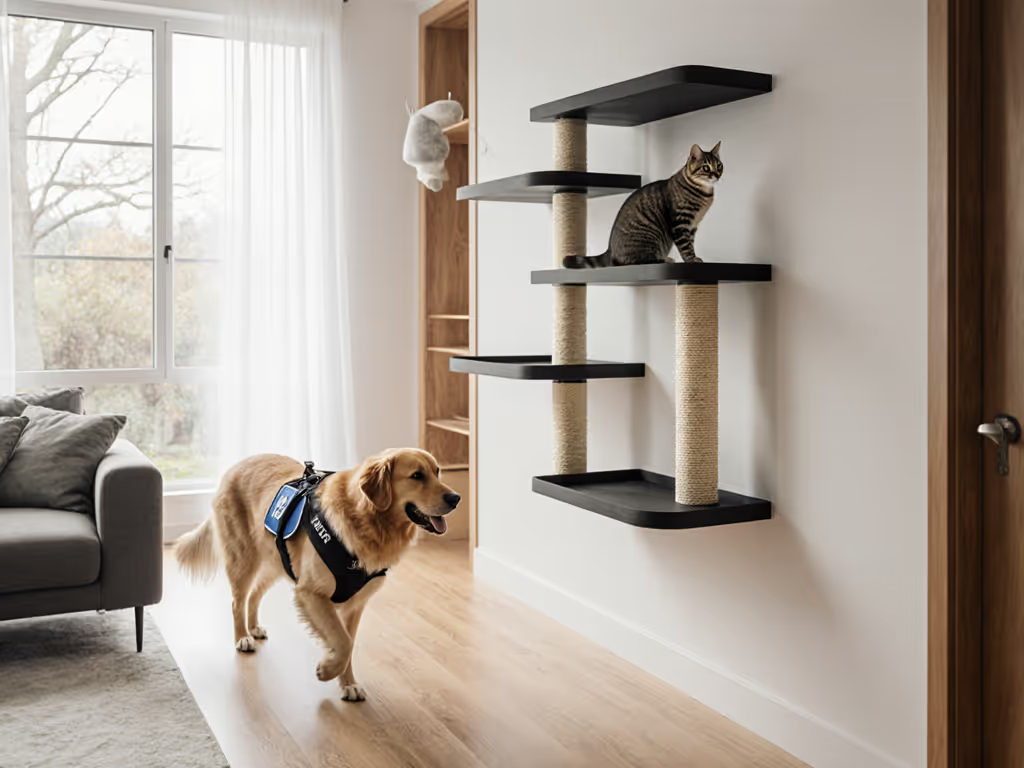
Living with both a cat and a service dog means navigating two very different spatial needs under one roof. Small cat furniture designed thoughtfully within working animal shared spaces requires more than just finding a compact tree (it demands intentional planning that respects your service dog's task focus while keeping your cat enriched and comfortable). Comfort is design: gentle grades, predictable paths, minimal friction. That principle becomes even more critical when a working animal's safety and performance depend on a clear, predictable environment.
Common Questions About Cat Furniture in Service Dog Homes
How Do I Keep Cat Furniture Out of My Service Dog's Working Path?
Service dogs require clear, unobstructed routes through your home. Unlike pets, working animals follow specific patterns tied to their handler's mobility, retrieval tasks, or alert protocols. The first step is mapping your service dog's movement patterns: the route to the door, transitions between rooms, access to your workspace, and any high-traffic zones where the dog needs speed or focus.
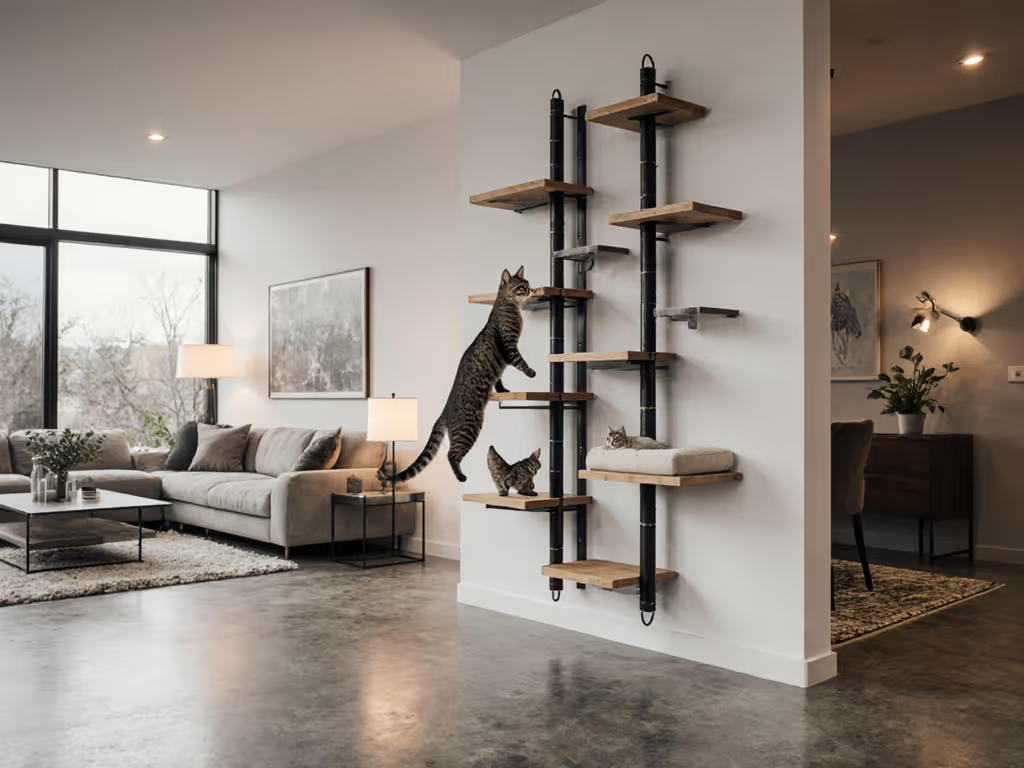
With this map in mind, vertical placement becomes your strongest tool. Wall-mounted shelving and elevated cat perches positioned at the room's periphery (corners, alcoves, or dedicated wall sections) keep your cat's territory distinctly separate from your dog's working lanes. For a clear comparison of vertical options, see Wall shelves vs cat trees. This isn't just about avoiding tripping hazards; it's about creating task-focused spatial planning. Your service dog works better when pathways are predictable and uncluttered, and your cat thrives when she has uninterrupted access to her own territory. For broader mixed-species planning, see our cat-dog furniture solutions.
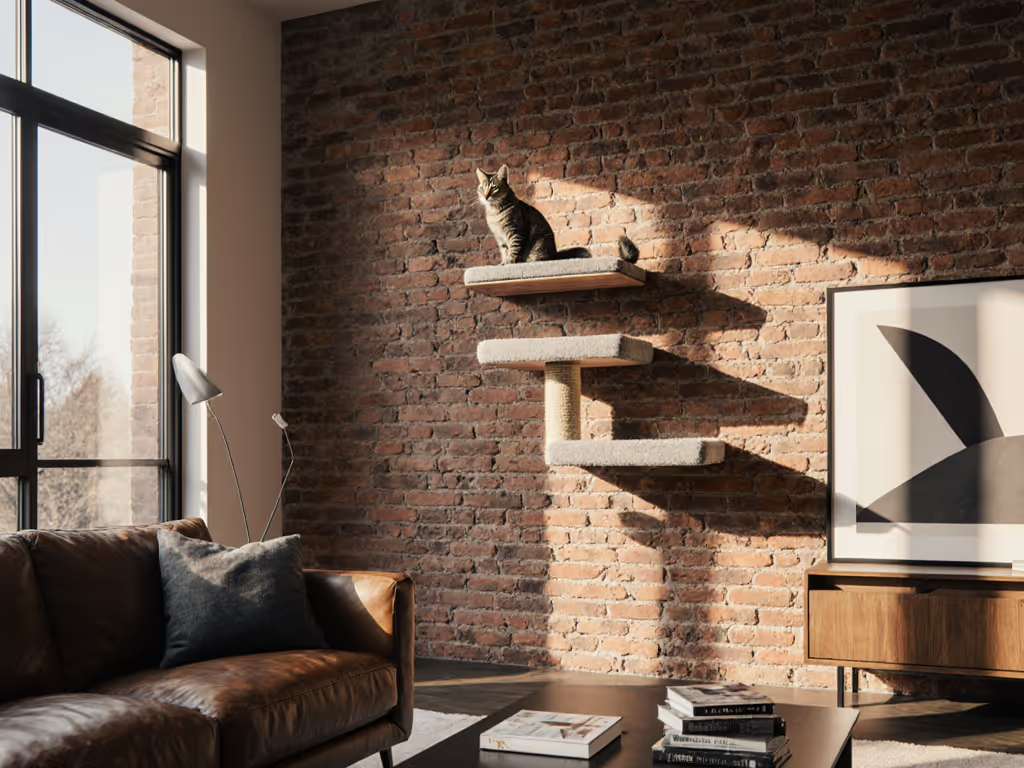
Consider the height of your service dog as well. A cat shelf at 48 inches or higher is out of reach for most large service dogs, while still allowing your cat the observation and security she needs. Modular wall systems give you flexibility to adjust placement as your setup evolves (whether you bring in a second piece later or need to reconfigure around new furniture).
What's the Best Layout for Task-Focused Spatial Planning?
Service animal territory mapping sounds formal, but it's practical. Walk through your home from your dog's perspective. Where does the dog stand while you're working? Where does it need to move freely to perform its job? These zones should remain clear of low-level cat furniture like floor-standing trees.
Instead, designate a non-interference cat pathway (typically along a wall, in a corner, or above your service dog's normal line of sight). Multi-level wall-mounted systems work beautifully here. They let your cat move vertically through your space without ever crossing your dog's working routes. You might place shelving along the hallway leading to your bedroom, or along the wall opposite where your dog rests between tasks.
The key is predictability. If you're planning continuous routes, explore our whole-house cat highway guide. Both animals (and you) benefit when everyone knows where to be. Your cat knows her route, your dog knows its path, and you're not managing constant conflicts or safety concerns.
How Can Small Cat Furniture Reduce My Service Dog's Stress?
Working animal stress reduction isn't a secondary benefit; it's central to your dog's ability to perform. Service dogs stay alert, responsive, and focused in environments they understand. Clutter, unpredictable obstacles, or constantly rearranged furniture creates cognitive load: your dog is checking its surroundings rather than fully attending to you.
Small, thoughtfully placed cat furniture creates the opposite effect. When your cat has her own elevated, clearly defined spaces, she's less likely to interact unpredictably with your service dog, and your dog doesn't need to monitor feline behavior as closely. The result: your dog remains in a calm, focused state. Many handlers notice their dogs relax more deeply when shared spaces are well-organized, because there's nothing to worry about.
This is why placement matters more than size. A small, stable cat shelf secured to the wall in a corner creates less stress for your dog than a larger, unstable floor tree that might shift or wobble as your dog moves past it. For anchoring methods and safety standards, see our cat furniture stability guide.
What Furniture Styles Work Best in Smaller Spaces?
Small spaces demand efficiency, and modular systems shine here. Because you can add, remove, or reconfigure pieces without disrupting your entire setup, you adapt to your service dog's changing needs and your cat's preferences. Many modular options start with a single shelf or unit and expand vertically or horizontally over time, rather than consuming floor area.
Look for:
- Wall-mounted shelves that anchor securely to studs and leave your floor completely open for service dog movement
- Stackable or modular units that let you build up rather than out, maintaining fewer barriers, more confidence for both animals
- Lightweight materials like quality wood or metal that resist shifting when a large dog passes nearby
- Enclosed or semi-enclosed hideaways positioned high enough that your service dog cannot access them, which gives your cat a retreat space independent of your dog's territory
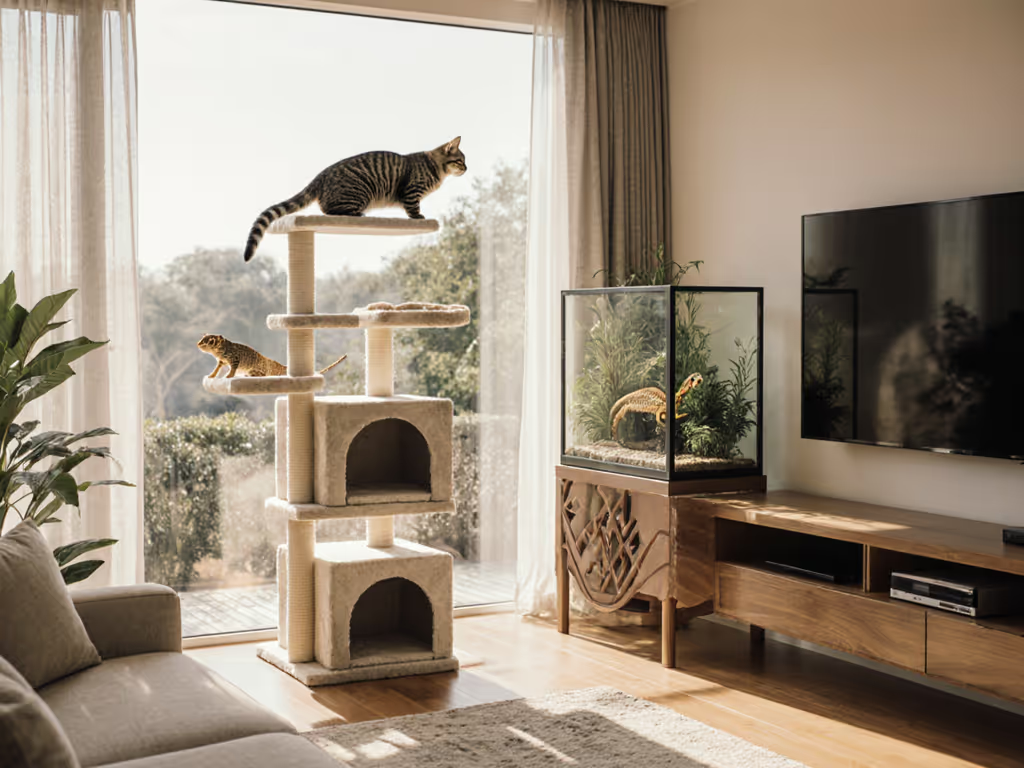
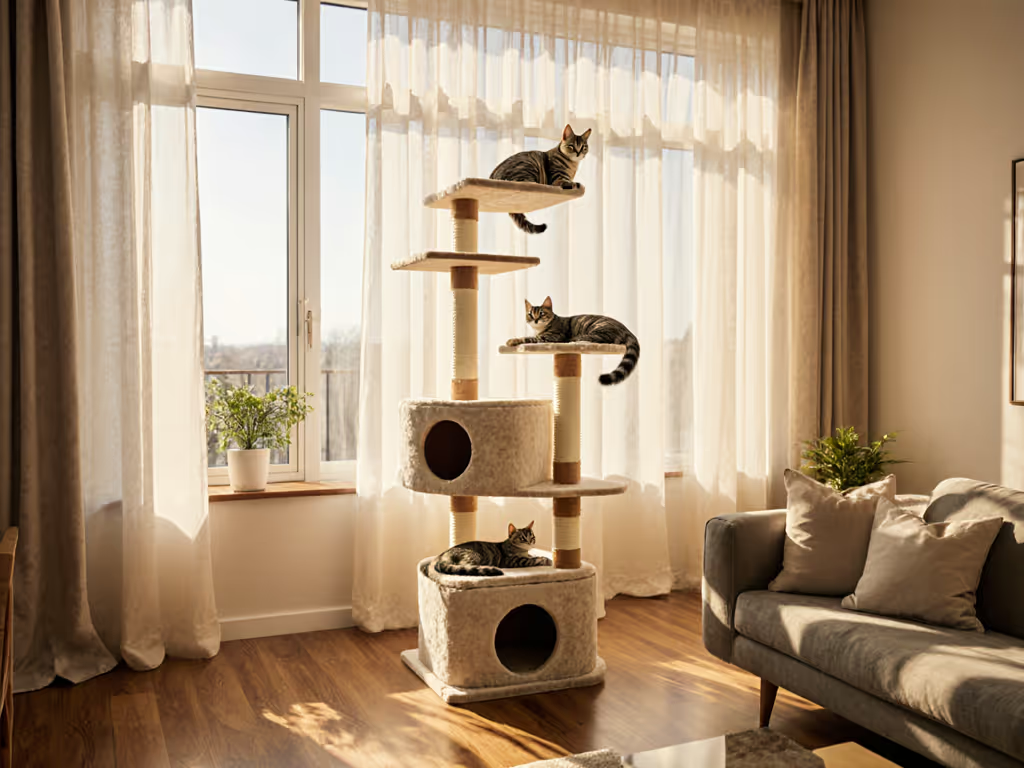
Avoid large, wobbly floor trees with multiple dangling toys or fabric covers. Noise and instability trigger stress in both cats and service dogs, especially animals that need to stay alert to their environment.
How Do I Choose Materials That Work for Both Animals?
In homes with service dogs, durability and cleanability matter even more. Service dogs shed, track outdoor debris, and require frequent cleaning. Your cat furniture should withstand proximity to that activity without becoming a maintenance burden.
Hard-surfaced materials (wood, metal, or firm composite materials) are easier to clean than fabric-covered cat trees. They also feel more stable to your service dog, reducing hesitation or anxiety as the dog moves through your space. Textured finishes provide traction for your cat, which is especially important on vertical surfaces where both security and confidence matter.
Consider your cat's age and mobility too. If your cat is senior or deals with joint stiffness, choose shelves with gentle heights and ramped or stepped transitions between levels. For targeted solutions, see senior cat arthritis comfort. The same ergonomics principle applies: access, predictability, and warmth. After my senior cat Kiri developed arthritis, I lowered perches and added gradual transitions (small changes that made a profound difference in her movement and confidence).
How High Should Cat Furniture Be in a Service Dog Household?
Height should balance your cat's access with your service dog's clearance. Most service dogs are 50-90 pounds; their shoulders reach 24-32 inches. Placing cat furniture above 36 inches creates a clear separation. Below that threshold, your service dog might accidentally bump into it or feel its personal space is encroached upon.
However, don't place perches so high that your cat struggles to reach them, especially if she's a senior or less agile. Stepping-stone heights (8-12 inches between levels) let your cat climb gradually and safely. This echoes genuine comfort design: each step should feel stable, intentional, and restful.
Can Multiple Cats and a Service Dog Share the Same Furniture?
If you have multiple cats, modular or multi-level systems become even more valuable. They provide enough territory that cats don't fight over perches or hideaways. Your service dog benefits too: more vertical cat activity means less feline interaction at floor level.
The goal is to give each cat multiple independent routes and resting zones so they're not competing or crossing your dog's path. Think of it as creating separate neighborhoods within your home: your service dog has its working district, and your cats have theirs, with minimal overlap.
Summary and Final Verdict
Small cat furniture in a service dog home isn't just about fitting things into limited space: it's about honoring both animals' needs. Service dogs perform best in calm, predictable environments free of obstacles and unpredictable interactions. Cats thrive when they have elevated, accessible territory that's distinctly their own.
The solution is thoughtful, modular, wall-mounted systems that prioritize task-focused spatial planning and non-interference cat pathways. Choose sturdy, easy-to-clean materials at heights that offer your cat security while keeping your service dog's working routes completely open. This approach reduces stress for both animals, keeps your space functional and uncluttered, and lets everyone (cat, dog, and handler) move through your home with confidence.
Remember: fewer barriers, more confidence. That principle works for felines, service dogs, and the people who care for them all.
Related Articles