Wall Shelves vs Cat Trees: Space & Style Solved
By Tariq Al-Khalil • 10th Sep
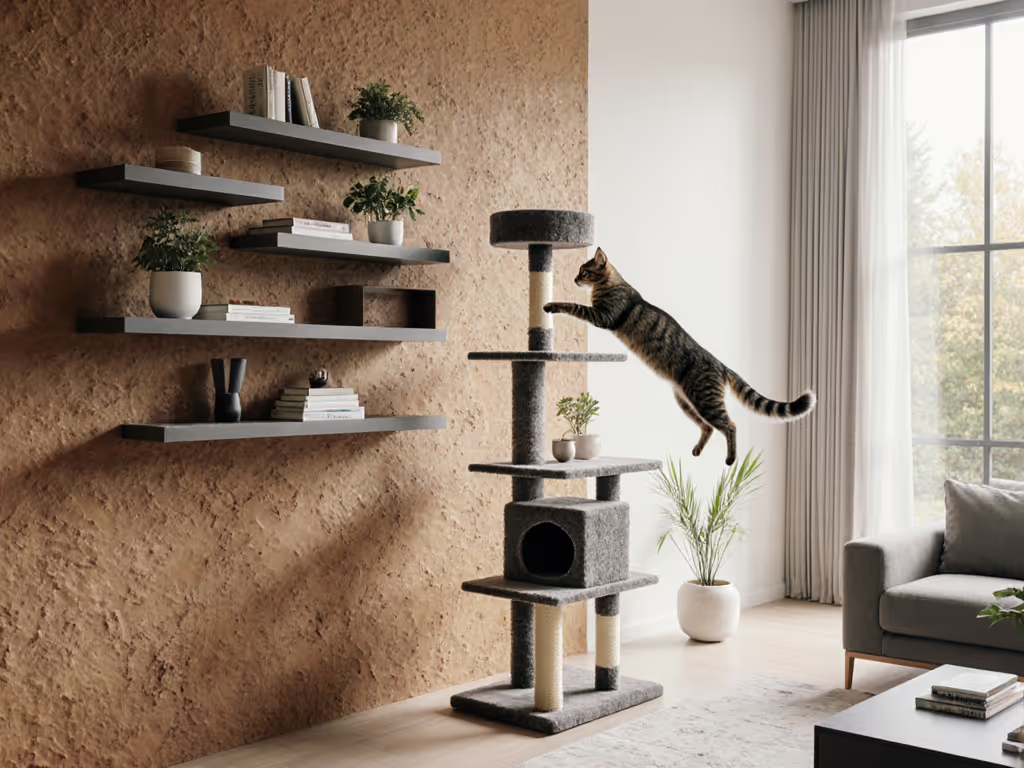
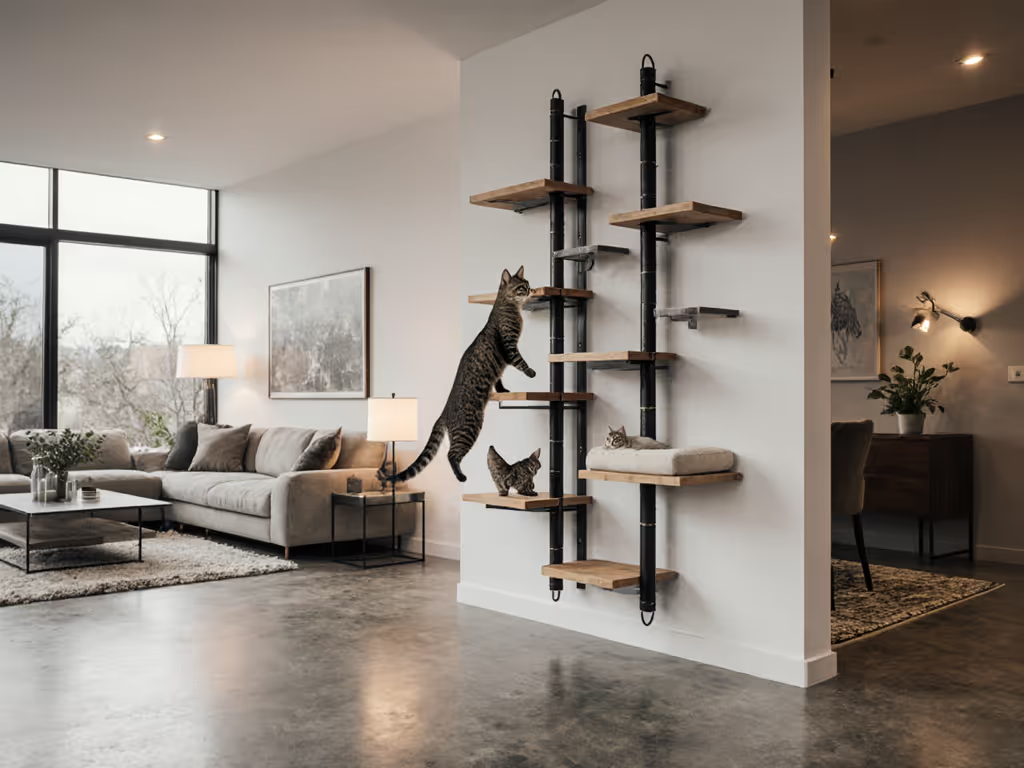
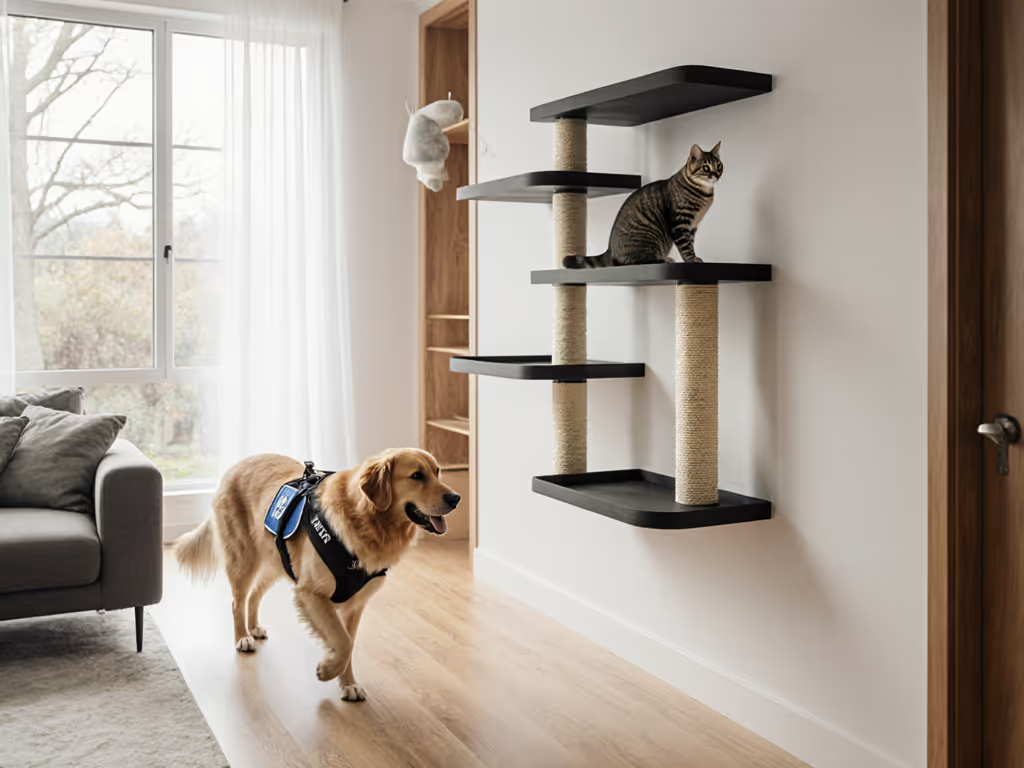
When deciding between wall shelves vs cat trees, most cat guardians face the same dilemma: how to satisfy their feline's instincts without sacrificing home aesthetics or precious space. This cat shelves comparison reveals that the right choice isn't about picking a single solution, but understanding what your specific cat needs, your living constraints, and how to create environments where cats feel safe and stimulated. In environmental enrichment, Behavior blossoms when spaces speak your cat's native language, and with a stepwise approach to assessing your needs, you can achieve harmony between feline well-being and human living requirements. I've seen time and again that Choice reduces conflict, both for cats and their humans.
Step 1: Assess Your Space Constraints with Precision
Before purchasing any cat furniture, conduct a thorough room analysis. This isn't just about square footage, it's about understanding how vertical space utilization can transform even the smallest apartment.
Measure Your Room Strategically
- Floor space impact: Cat trees typically require 2-4 square feet of floor space
- Vertical potential: Identify wall sections at least 7-8 feet high for optimal pathways
- Traffic patterns: Map human movement versus where your cat naturally travels
- Anchoring points: Locate wall studs for secure installations (typically 16 to 24 inches apart)
Special Considerations for Renters
Rental agreements often dictate your options. While traditional cat trees offer moveable flexibility, wall shelves require landlord permission for installing cat shelves. Consider these options:
- Removable mounting systems with minimal wall damage
- Free-standing vertical structures that mimic wall pathways
- "Ladder" configurations that minimize floor footprint
Both cat wall furniture pros cons reveal that the solution isn't binary, it's about creating the right density of options for your specific living situation.
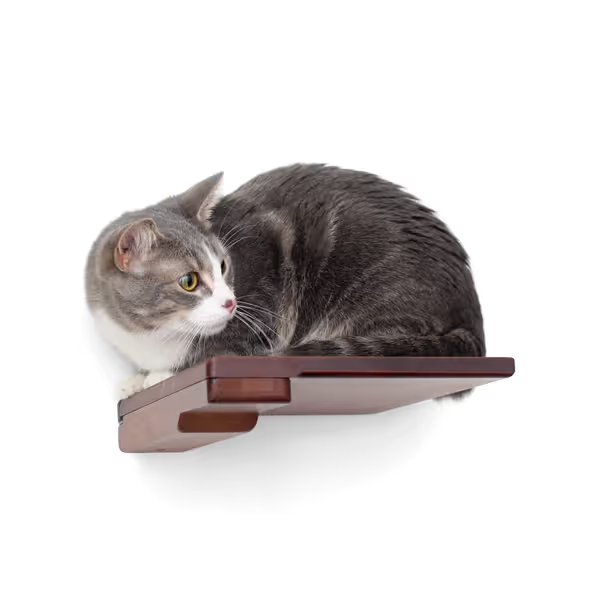
Catastrophic Creations Wooden Cat Step Floating Shelf
Stylish bamboo wall shelf provides cats with safe, elevated play and lounge space.
$34
Weight Capacity (wood)85 lbs
Weight Capacity (wood)85 lbs
Pros
Elegant floating design enhances home decor.
Eco-friendly bamboo construction, non-toxic.
Cons
Mixed feedback on long-term sturdiness for active cats.
May be too small for larger cats or perceived as pricey.
Customers find the cat step shelf well-designed and of decent quality, with great instructions for installation. However, the shelf's sturdiness receives mixed feedback - while some find it sturdy, others report it won't stay in place. Moreover, the size is criticized as too small, and customers consider it pricey. Additionally, the ease of use is negative, with one customer noting their cat won't jump on it.
Customers find the cat step shelf well-designed and of decent quality, with great instructions for installation. However, the shelf's sturdiness receives mixed feedback - while some find it sturdy, others report it won't stay in place. Moreover, the size is criticized as too small, and customers consider it pricey. Additionally, the ease of use is negative, with one customer noting their cat won't jump on it.
For studio or small apartments, explore space-saving cat furniture strategies to plan vertical routes that truly fit.
Step 2: Read Your Cat's Behavior Patterns
Your cat's natural tendencies should drive your decision more than aesthetics alone. Observe discreetly for several days to identify:
Key Behavioral Indicators
- Movement patterns: Does your cat routinely climb bookshelves or stay grounded?
- Resting preferences: Does your cat seek high vantage points or enclosed hideaways?
- Scratching habits: On vertical surfaces only, or horizontally too?
- Social dynamics: In multi-cat homes, who claims which territories?
A gentle approach to interpretation reveals that some cats need both worlds (high routes for confident exploration and enclosed spaces for secure retreats). I once helped a guardian whose cat wouldn't leave his carrier for days; we created a vertical route with staggered shelves that finally drew the cat out when we added scent-safe scratching posts at strategic points.
Cat Age & Mobility Considerations
- Kittens & young adults: Typically crave complex climbing challenges
- Senior cats: Often prefer lower platforms with easy access
- Special needs cats: Require gentler gradients and secure landing zones
Step 3: Compare Functional Requirements Objectively
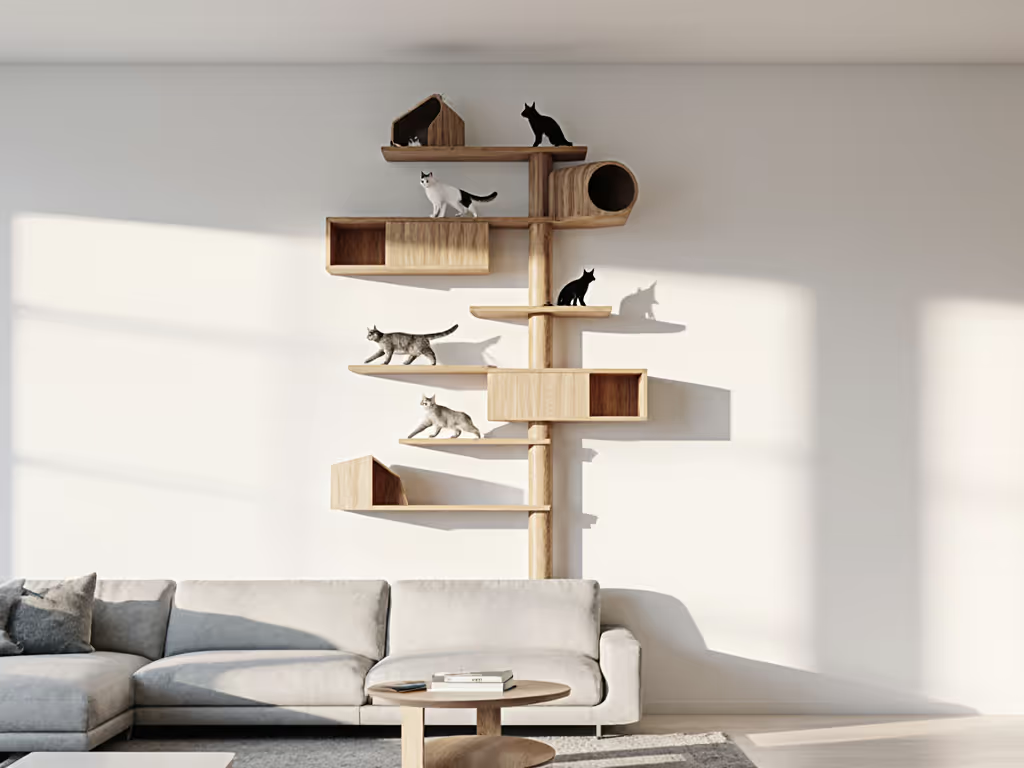
Let's analyze the core functions each system serves through a behavior-first lens.
Space Saving Cat Furniture Solutions Compared
| Feature | Traditional Cat Trees | Wall-Mounted Shelves |
|---|---|---|
| Floor Space Required | Significant (2-4 sq ft) | Minimal (only base unit) |
| Vertical Reach | Limited by height | Nearly unlimited potential |
| Hideaway Options | Multiple integrated | Limited (requires additional elements) |
| Scratching Integration | Built-in posts | Requires separate solutions |
| Stability Concerns | May wobble with vigorous use | Solid when properly installed |
| Aesthetic Integration | Can clash with decor | Generally better design integration |
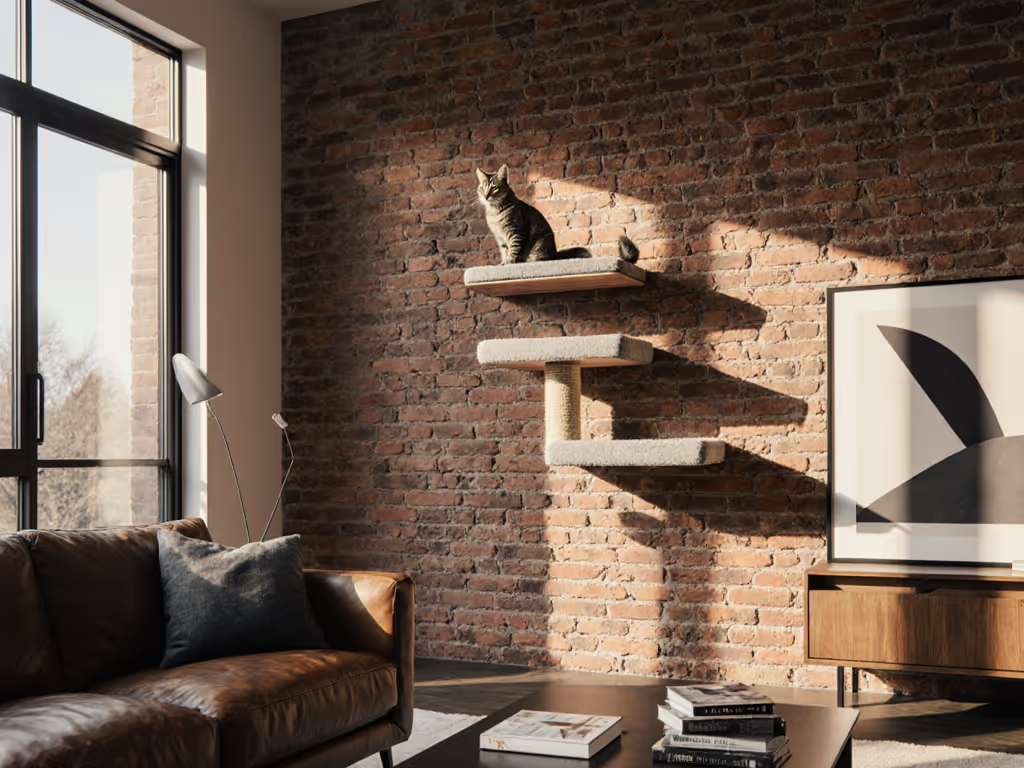
The Catastrophic Creations Wooden Cat Step Floating Shelf exemplifies how modern wall systems address some traditional limitations with their bracketless design that creates pathways using a single stud per piece. When weight-tested properly, these small-but-mighty steps support up to 85 lbs each, providing secure waystations for your cat's vertical adventures.
Critical Functionality Considerations
Hideaway Spaces Matter
Cats need secure retreats where they feel protected from household chaos. While cat trees typically build these in, wall shelves require intentional planning:
- Add hanging fabric elements between shelves
- Position shelves near existing closet spaces
- Create "islands" with partial coverage
Scratching Integration
The absence of natural scratching spots remains the Achilles' heel of many wall shelf systems. Build in solutions by:
- Placing vertical scratchers beneath key pathways
- Using sisal-wrapped mounting brackets
- Creating dedicated scratching "stations" at route endpoints
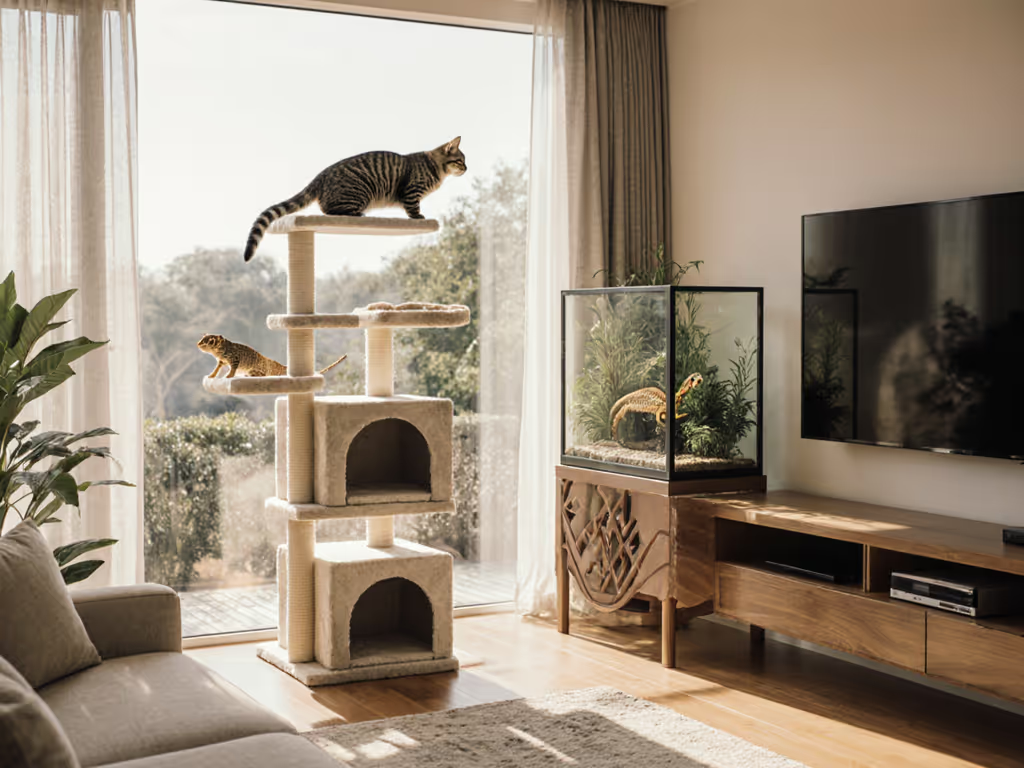
The Armarkat B5701 cat tree demonstrates how integrated scratching (with its 100% cured sisal posts) solves two problems at once: providing climbing routes while addressing scratching instincts.
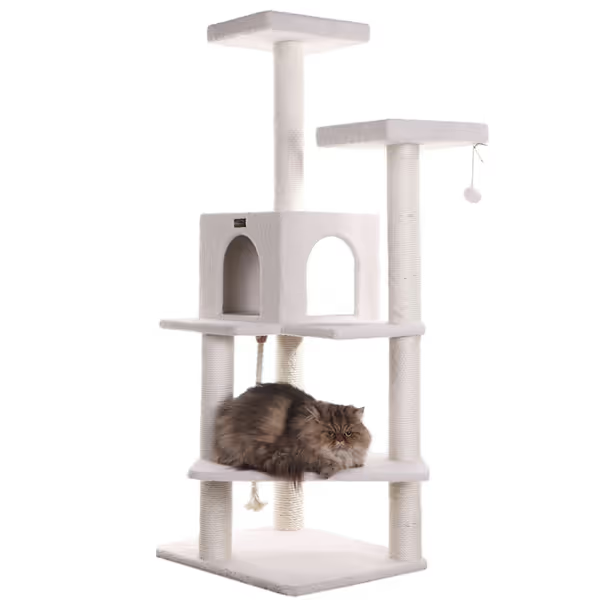
Armarkat B5701 57-Inch Cat Tree, Ivory
Durable, stimulating cat tree designed for feline enrichment and home aesthetics.
$132.19
Overall Dimensions28"L X 25"W X 57"H
Overall Dimensions28"L X 25"W X 57"H
Pros
100% cured sisal posts for healthy scratching
Sturdy construction ensures safety and durability
Cons
May rock slightly; recommend corner placement
Can be too small for larger adult cats
Extremely well thought out, provides plenty of entertainment areas, and our cats absolutely love it!
Extremely well thought out, provides plenty of entertainment areas, and our cats absolutely love it!
Step 4: Implement with Habit-Aware Installation
Proper implementation transforms potential hazards into harmonious additions. Approach installation with your cat's natural rhythms in mind.
Safety-First Installation Process
- Map your cat's existing routes: where do they already climb?
- Create gradual progressions: no more than 10 to 12 inches between levels
- Anchor to structure: shelves must connect to wall studs, not just drywall
- Test stability: apply 2 to 3x your cat's weight before final placement
- Introduce gradually: add one piece at a time with scent familiarization
Timing Your Introduction
Install new systems during naturally calm periods in your cat's routine:
- Avoid introducing during meal times
- Wait for after-play recovery periods
- Begin when household activity is minimal
Step 5: Blend with Practical Aesthetics
The most successful installations don't just accommodate your cat, they honor your living space.
Design Integration Strategies
- Color matching: Select finishes that complement existing shelves
- Functional duality: Use some shelves for both human and cat purposes
- Strategic asymmetry: Avoid uniform spacing that looks clinical
- Scale proportion: Match shelf depth to room dimensions
Rather than treating cat furniture as purely functional, consider how it contributes to your home's visual language. The most sensory-focused installations I've designed become conversation pieces that guests appreciate, even before they realize they're serving feline needs.
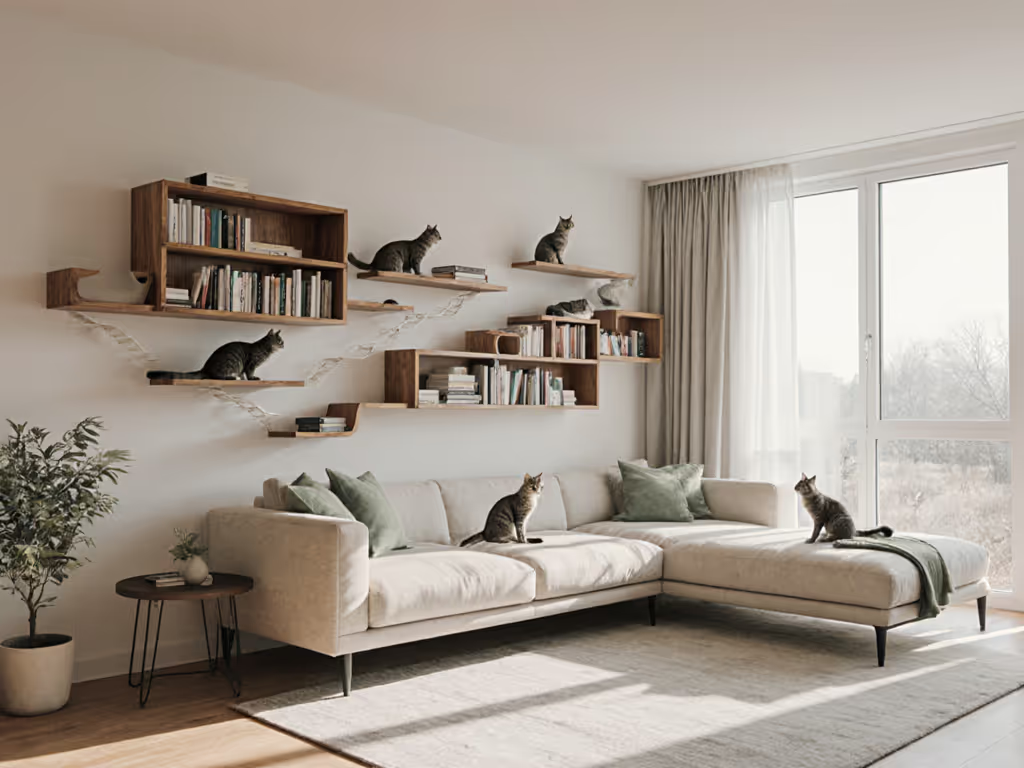
Step 6: Establish Maintenance Routines
Sustainable solutions require upkeep that fits seamlessly into your habits.
Cleaning Protocol
- Wall shelves: Wipe down with pet-safe cleaner weekly
- Cat trees: Vacuum fabric surfaces weekly; deep clean every 3 months
- Both systems: Check hardware tightness monthly
Evolving with Your Cat
Your solution should adapt as your situation changes:
- Add height during kitten stage
- Lower platforms as cats age
- Increase density in multi-cat households
Bringing It All Together
The wall shelves vs cat trees debate ultimately dissolves when we adopt a habitat-focused perspective rather than a furniture-focused one. What matters most isn't the product category but whether your space offers choice, vantage, and safe retreats... the three pillars of feline environmental enrichment.
Your Next Steps to Harmony
- Continue observing your cat's natural movement patterns
- Sketch a route map that connects existing favored locations
- Start with one strategic addition rather than a complete system
- Monitor behavioral responses before expanding
When both human and feline needs find expression in the same space, something remarkable happens: your home transforms from a battleground of competing interests to a shared sanctuary where both species thrive. Choice reduces conflict, and in the thoughtful arrangement of space, we create opportunities for deeper connection with our feline companions.
For those interested in diving deeper into feline environmental design principles, consider research from the American Association of Feline Practitioners on environmental needs, or explore how zoological principles apply to domestic settings. Understanding your cat's perspective isn't just helpful, it's the foundation for a happier home for everyone.
Related Articles