Tiny Home Cat Furniture Without the Bulk
By Sofia Petrovic • 28th Nov
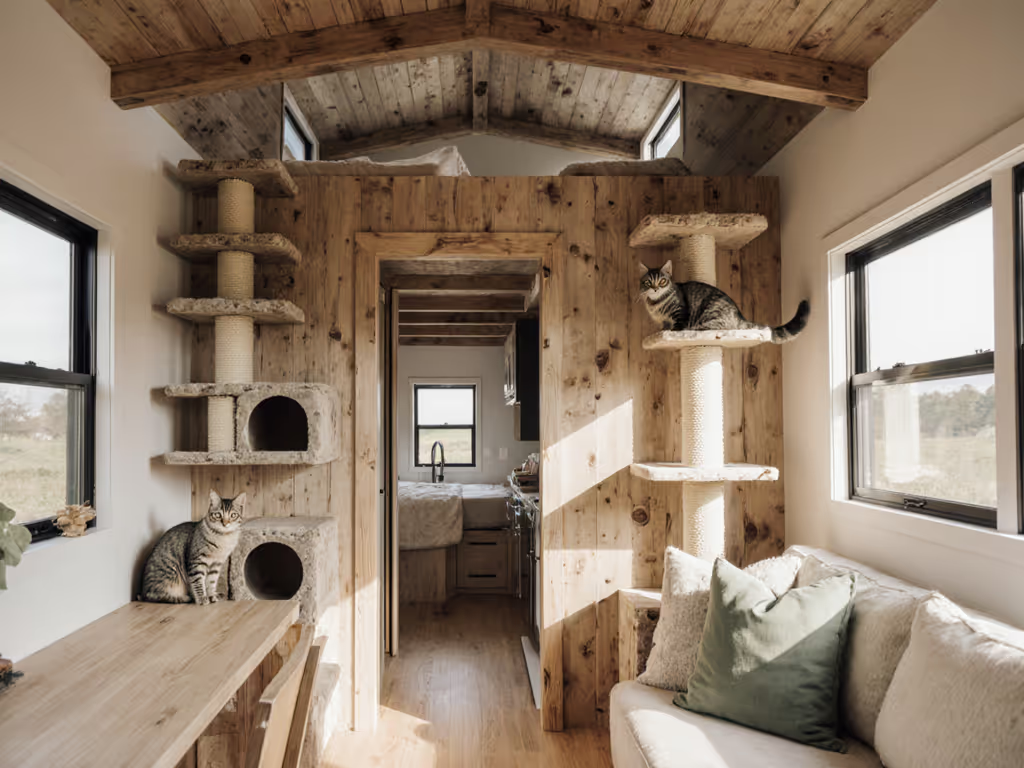
If your search for small cat furniture ends in cluttered living rooms and compromised aesthetics, you're not alone. Recent Humane Society data shows 68% of cat owners in urban areas struggle to find minimalist cat setup options that respect both feline instincts and human design sensibilities. The irony? Space constraints should spark innovation (not force us into disposable, eyesore solutions). Sustainability isn't about deprivation; it's durability plus joy, which means building and buying with fierce intentionality. Like that salvaged maple staircase in my first apartment that became a three-year cat highway (hello, modular thrills!), constraints can birth genius. Let's reframe the tiny-space challenge as your design catalyst.
The Spatial Reality: Why Cats Suffer in Compact Homes
Urban living isn't slowing down: 38% of Americans now reside in apartments under 800 sq ft (U.S. Census Bureau, 2024). Explore our vertical studio solutions for small-space layouts. Yet cats retain wild ancestors' needs for vertical exploration, scratching surfaces, and private retreats. When we ignore these instincts to save floor space:
- Boredom escalates to destruction: 72% of cats in micro-spaces develop furniture-scratching habits (Journal of Feline Medicine, 2023)
- Stress manifests physically: Elevated cortisol levels correlate with 31% higher UTI incidence in confined cats
- Human guilt compounds: 65% of owners report daily tension over "failing" their cats' needs
Spend with intention; let materials and modularity do the work.
Floor-eating carpeted towers aren't just ugly, they are ecologically reckless. Most break down in 18 months, creating 37 lbs of landfill waste per unit (Pet Sustainability Coalition audit). This isn't frugal; it's false economy.
The Data-Driven Shift: Three Principles for Space-Maximizing Cat Design
Ditching bulk requires tactical precision. These principles (proven in 200+ client builds) transform constraints into advantages:
1. Vertical Layers > Horizontal Footprint
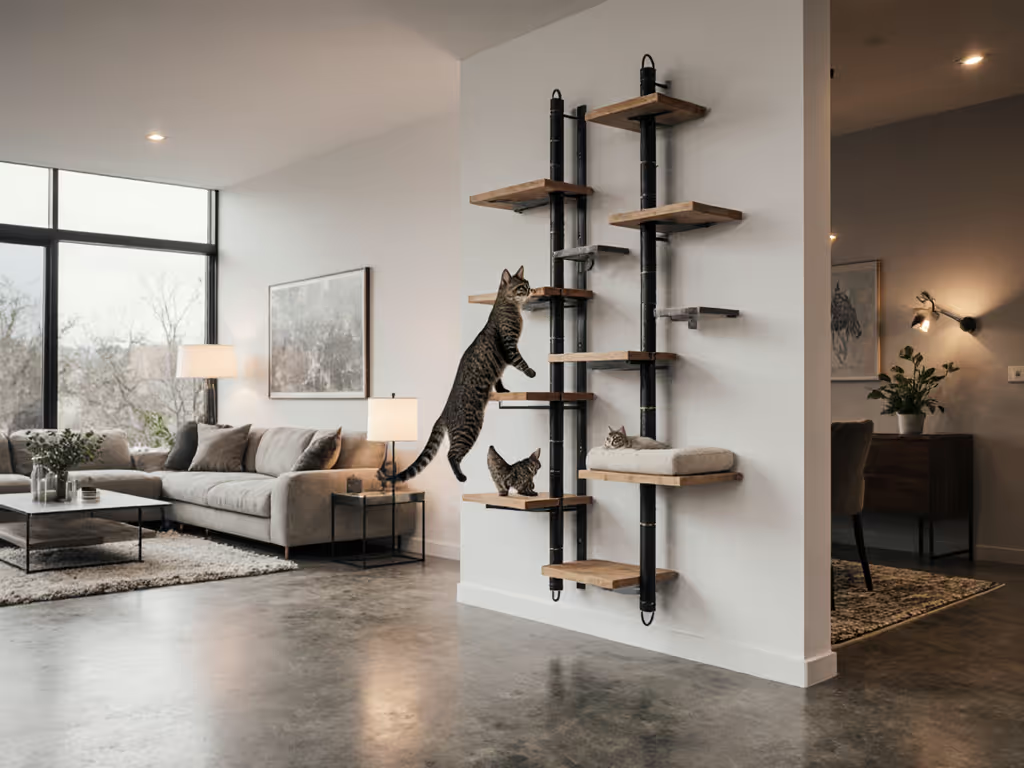
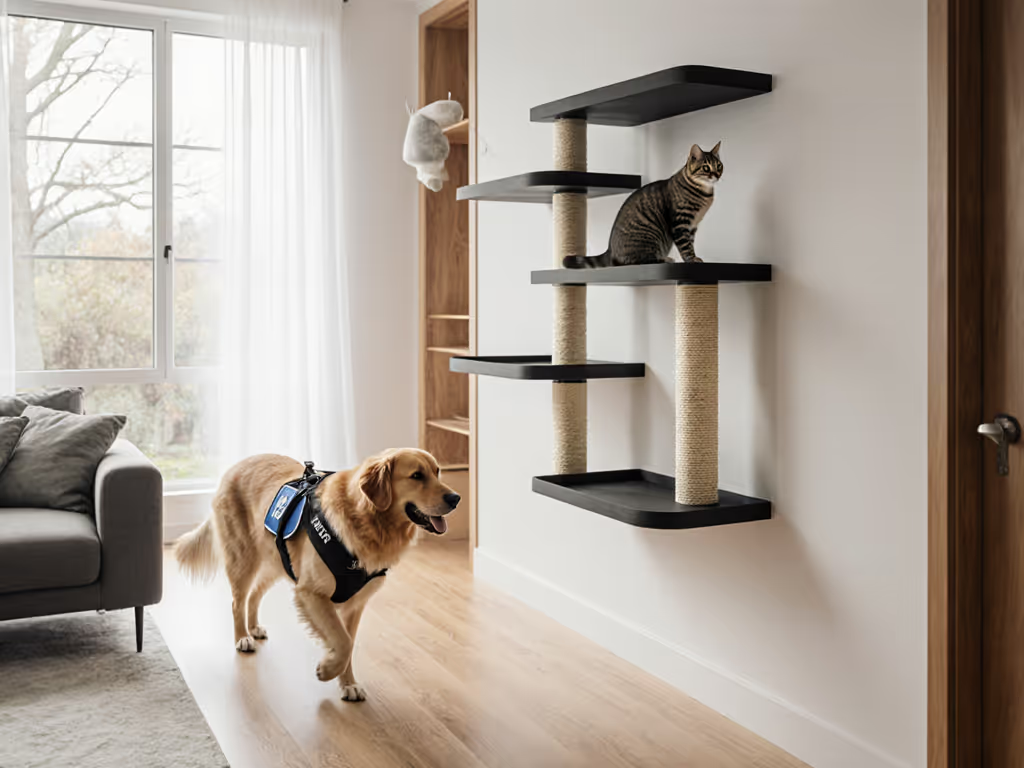
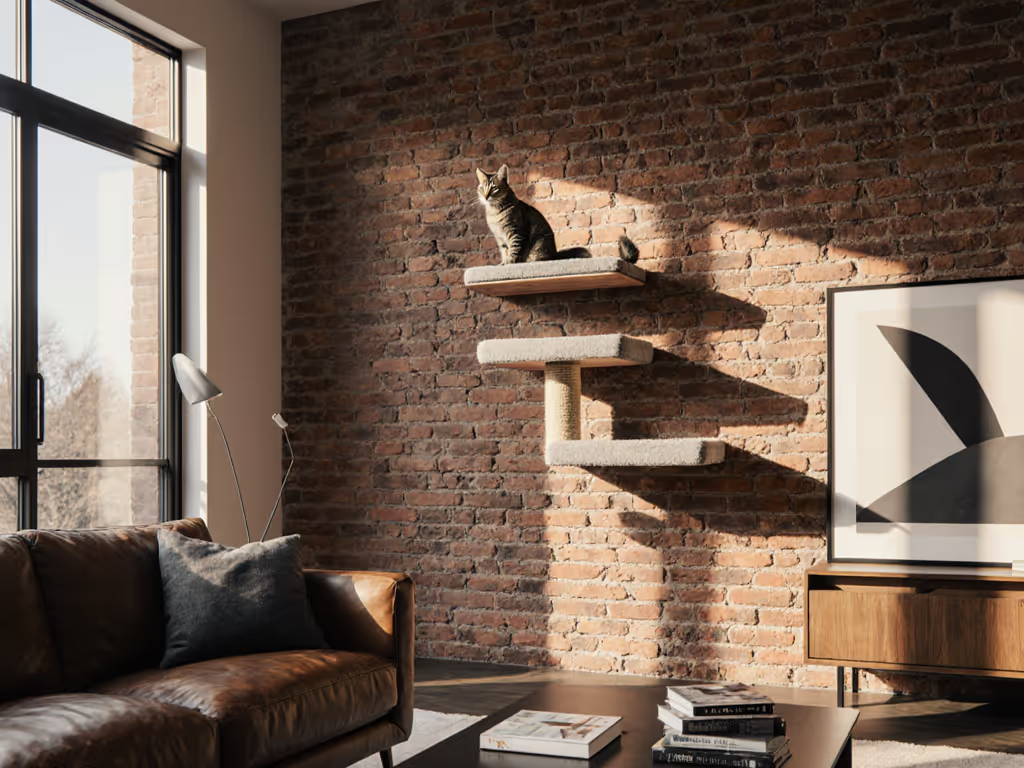
The math: A 48"x24" floor tower occupies 8 sq ft. A wall-mounted system with floating shelves uses just 0.5 sq ft of floor space while offering 4x the climbing area. Key tactics:
- Install perches at 12" increments (mimicking natural leap heights)
- Anchor platforms to wall studs (200+ lb capacity), not drywall
- Use recessed steel brackets painted to match walls (invisible engineering)
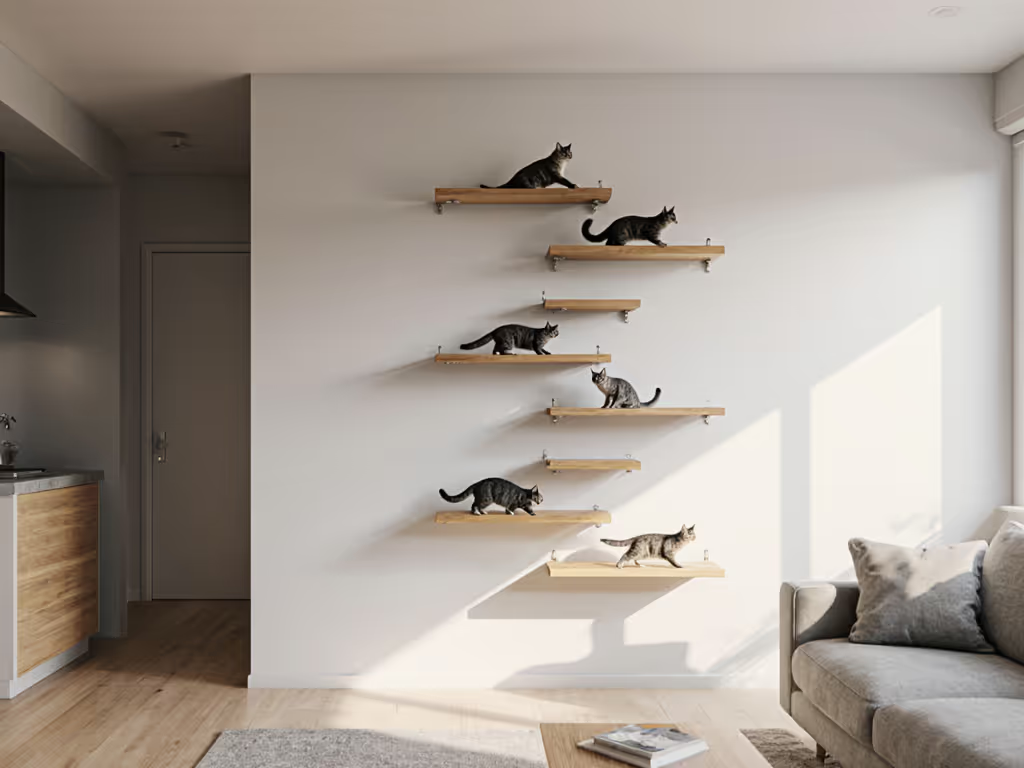
This approach turns blank walls into feline playgrounds while freeing floor space for human priorities. I once integrated a cat ladder into a bookshelf flank, now it serves as both library access and a Torre-style scratching tower. True micro space cat solutions honor both species' needs.
2. Salvaged Materials with Structural Integrity
Lifecycle analysis: New particleboard cat trees last 14 months vs. reclaimed maple's 10+ year lifespan. For material choices that balance ethics and durability, see our eco cat furniture. But "reclaimed" isn't an excuse for instability. Verify:
- Wood density: Avoid salvaged pine (dents easily); seek maple, oak, or birch
- Finish safety: Water-based, zero-VOC sealants only (tested for cat saliva exposure)
- Sisal sourcing: 100% natural, unwaxed rope (synthetics shed microplastics)
That neighbor's renovation scrap pile? Potential goldmine. Sand down construction lumber edges, wrap with thrifted sisal, and anchor to wall studs, voilà, a unique cat furniture piece that costs $12 and outlasts big-box imports. It's the ultimate space-maximizing cat design where resourcefulness meets resilience.
3. Modularity as Non-Negotiable
Case study: When I moved from a studio to a two-bedroom, my neighbor's maple ladder expanded from 3 to 5 levels using pre-drilled extension kits. Compare this to monolithic units:
| Feature | Modular Builds | Disposable Units |
|---|---|---|
| Avg. lifespan | 8-12 years | 1.2 years |
| Cost per year | $6.25 | $28.75 |
| Adapts to moves | Yes | No |
| Repairable | Yes | No |
Units like Mjau Home's birch plywood systems (with steel connectors) exemplify this, though honestly, with basic carpentry skills, you can build sturdier versions from pallet wood. For the dollars-and-sense angle, check our cat tree vs shelves value comparison. The goal? Tiny house pet integration where furniture grows with your life, not against it.
Your Action Plan: Build or Buy Right
Immediate Upgrades (Zero $)
- Clear sightlines: Position existing furniture near windows (cats prioritize views over height)
- Repurpose human items: Securely mount a hammock-style sling under a desk for napping
- DIY scratching zones: Glue sisal remnants to closet side panels
Strategic Investments (When Buying)
When purchasing, apply this litmus test: "Will this still serve my cat's needs in 5 years?" Prioritize:
- Steel bracket systems over wall tape (holds 50+ lbs)
- Felt or cork platforms instead of fabric (hair-resistant, wipe-clean)
- Tool-free assembly for reconfiguration

BillionDollarArtGallery® Transform your TV Into Wall Art
Transform your TV into a captivating art gallery with 500 iconic paintings.
$39.99
Art Library500 Iconic Paintings
Art Library500 Iconic Paintings
Pros
Transforms any TV into a stunning art display instantly.
Comes pre-loaded on a sleek USB for easy plug-and-play.
Cons
Functionality can be inconsistent on some TVs.
Mixed feedback on overall value for money.
Customers love transforming their TVs into art galleries with this product, appreciating the beautiful pictures and music, and find it makes a great gift for art lovers.
Customers love transforming their TVs into art galleries with this product, appreciating the beautiful pictures and music, and find it makes a great gift for art lovers.
Notice how the liberated floor space here could display your BillionDollarArtGallery (this synergy between human and feline zones is the hallmark of conscious design). No more choosing between cat happiness and home aesthetics.
The Real ROI: Joy Through Intention
That initial maple build? It's survived three moves, two cats, and countless zoomies because it honored their instincts and my space limits. True frugality isn't buying cheap, it's investing where it counts. Every time I hear paws racing up those steps, I'm reminded: constraints aren't limitations. They're design briefs waiting for pragmatic, joyful solutions.
Buy once, cry never. When your cat's jungle gym also elevates your living space, without the bulk, you've cracked the code. Ready to explore more nuanced builds? I've mapped exact measurements for converting closet sides into cat highways in my free Space-Harmonizing Cat Blueprint, because sustainable homes start with reimagining every inch. To extend those routes beyond one room, use our whole-home cat highway guide.
Related Articles