Radiant Cooling Cat Furniture: Which Is Right for You
By Nikhil Bhatt • 2nd May
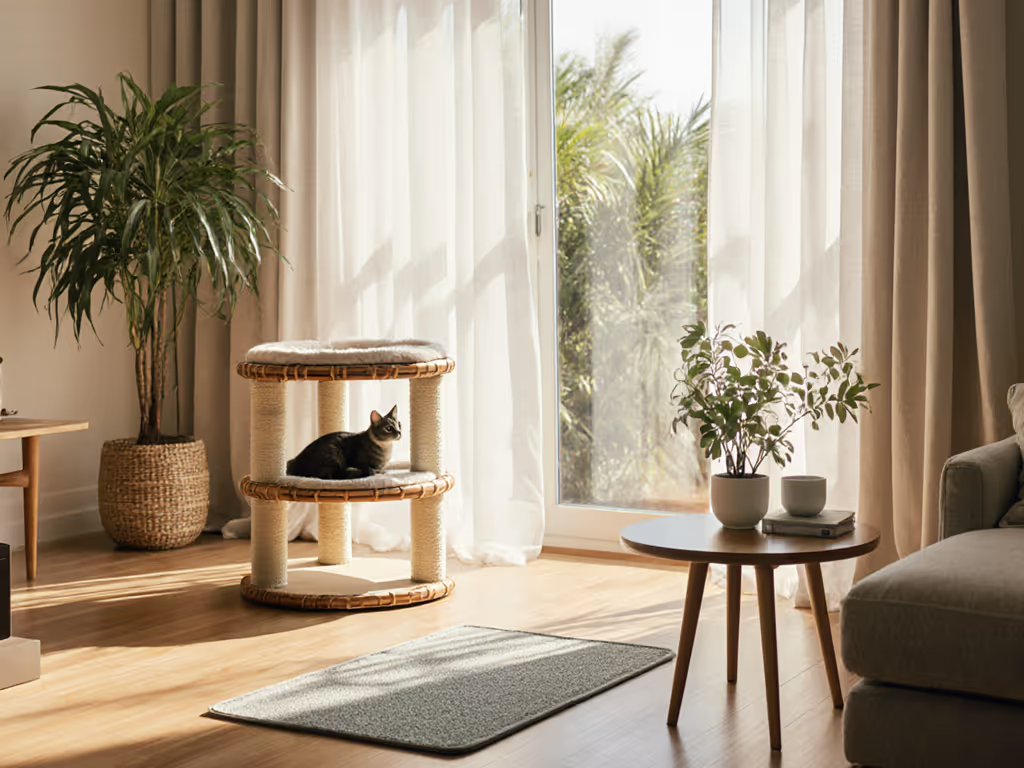
When summer heat settles in, your indoor cat faces a discomfort many of us overlook. Unlike their wild ancestors who roam to shaded forests or cool water sources, confined cats rely entirely on what their environment offers. Radiant cooling cat furniture and cooling system-integrated cat spaces have emerged as thoughtful solutions, but choosing between them requires understanding both your cat's physiology and your home's unique rhythms. For a year-round temperature plan that complements cooling furniture, see our seasonal cat comfort guide for simple summer-and-winter adjustments.
I designed this guide for people like you: those who see their cat's comfort as non-negotiable, who want solutions that fit seamlessly into a beautiful home, and who understand that good design serves both cat and human equally.
What Exactly Is Radiant Cooling Cat Furniture?
Q: How does cooling furniture differ from a regular cat bed?
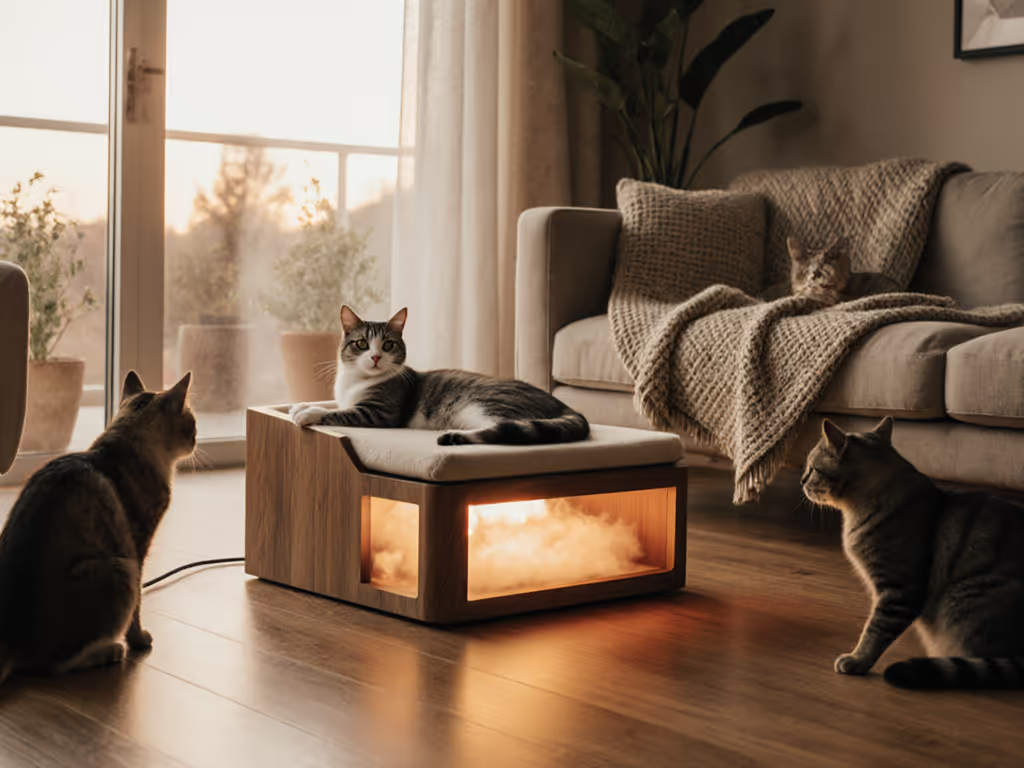
Most cat beds insulate and trap body heat. Cooling furniture does the opposite: it actively dissipates warmth through conduction or convection. The principle is straightforward and evidence aware. When your cat lies on a cooling mat, the surface absorbs and transfers heat away from their body. Elevated cooling beds work differently (they lift your cat off the warm floor, allowing air to circulate beneath them). Both serve the same goal: thermal relief. Neither requires batteries or electricity, making them practical for any room.
Q: Are these options safe for cats?
Yes. Most modern cooling mats use non-toxic, self-cooling gel that activates through your cat's body weight alone. They're designed to remain pliable and will not leak harmful chemicals if punctured, though you should remove a damaged mat immediately to prevent ingestion. I recommend supervising initial use, particularly with cats prone to chewing, but safety concerns are minimal with quality designs.
Cooling Mats vs. Elevated Beds: A Detailed Comparison
Q: What's the actual difference in how they cool?
The mechanics matter here. Cooling mats use thermal conductivity to pull heat directly from your cat's body. Think of conduction as direct transfer: your cat's warmth flows into the mat's cooling core. This approach is intense but temporary; most gel mats stay cool for 1-3 hours before needing a "reset" period away from body contact.
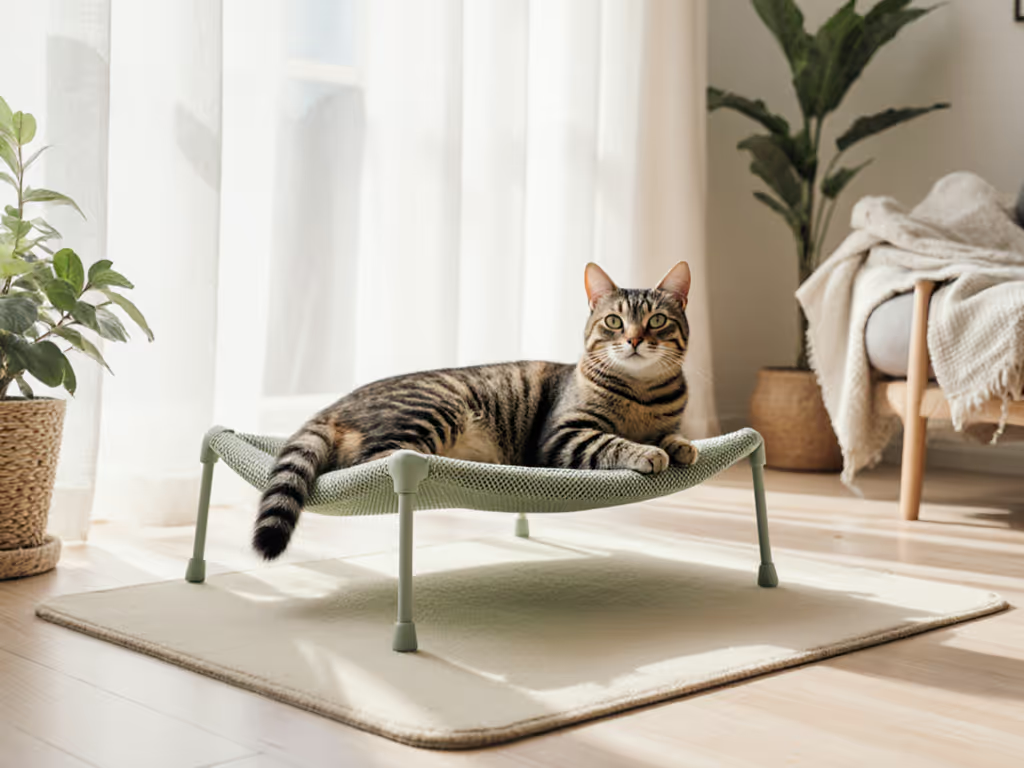
Elevated beds operate through passive convection. By lifting your cat away from insulating surfaces, they expose more of your cat's body to ambient air, allowing natural heat dissipation. Elevated beds do not get cold themselves; instead, they eliminate the warm buildup that happens when a cat rests on carpet or solid flooring. This method is gentler and longer lasting, though less dramatically cooling.
| Feature | Cooling Mat | Elevated Bed |
|---|---|---|
| Cooling Mechanism | Conductive (absorbs body heat) | Convective (airflow underneath) |
| Intensity | Immediate, strong relief | Gradual, sustained relief |
| Duration | 1-3 hours active cooling | Continuous airflow benefit |
| Durability | 6-18 months with care | 2+ years with proper maintenance |
| Space Footprint | Compact, flexible | Takes defined floor space |
| Best For | Peak heat emergencies, acute discomfort | Daily summer lounging, long-term use |
Q: Which one should I choose?
Honestly, you do not have to choose one. Many experts recommend combining both solutions in different thermal zones across your home. Place a cooling mat in a shaded corner for those brutally hot afternoons, and position an elevated bed near a window where gentle breezes naturally flow. This gives your cat agency, fewer barriers, more confidence, to choose based on what their body needs in each moment. This mirrors how cats instinctively behave during heat waves: they seek varied microclimates rather than committing to one static solution.
Understanding Cooling Materials and Thermal Conductivity
Q: What materials make a difference in cooling performance?
The core material fundamentally determines cooling strength. Self-activating gel is the standard across most cat-focused designs. These gels remain effective at absorbing body heat without requiring refrigeration or electricity. Some advanced cooling mats use water-filled ice pack systems, which can achieve significantly more intense cooling (up to ten times colder than gel alternatives), though they require assembly and periodic re-cooling.
For elevated beds, the critical material is breathable mesh or open-weave fabric, not solid surfaces. Mesh allows air to flow freely while remaining supportive and comfortable. Avoid solid wood or plastic-only frames; these trap heat and defeat the purpose. Look for designs with adequate spacing between the frame and fabric (typically 2-3 inches) to maximize convective flow.
Q: How does placement affect cooling effectiveness?
Placement is more crucial than many people realize. Always position cooling mats in shaded areas away from direct sunlight; even a self-cooling gel mat loses efficacy if the room temperature is relentless. Avoid placing mats on carpet or rugs, which insulate and prevent heat dissipation. Bare tile, hardwood, or concrete surfaces work best. For elevated beds, position them where natural air movement exists: near (but not directly in) windows with air flow, or in hallways where household air naturally circulates. For vent, return, and ceiling-fan placement tips that preserve both comfort and efficiency, see our HVAC-integrated cat furniture guide. Stagnant, enclosed spaces reduce the convective benefit significantly.
Setting Up Floor Cooling Comfort Zones in Your Home
Q: How do I create a practical cooling strategy for my cat?
Think in layers and zones. Your home likely has warm microclimates (south-facing windows, kitchens near appliances, sealed bedrooms) and cooler pockets. Map these before purchasing. Our Catify Home design checklist walks you through zoning, vertical routes, and shaded rest spots so cooling gear fits your overall plan.
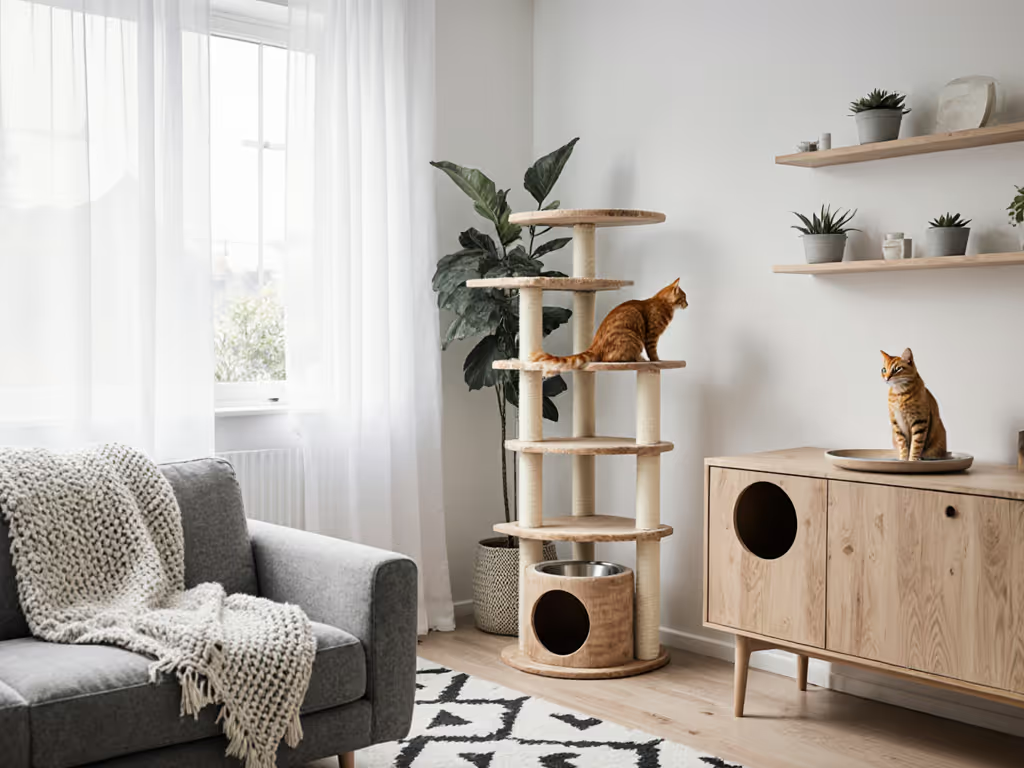
In the warmest zone, place a cooling mat on a hard surface in partial shade. This becomes your cat's "emergency relief" spot for peak afternoon hours. In a secondary space with gentle airflow, position an elevated bed. This serves as your cat's preferred lounging area during milder warm days. Finally, maintain temperature-regulated cat perches on your existing furniture: a lightweight cushion placed strategically offers a cooler resting spot without requiring new furniture.
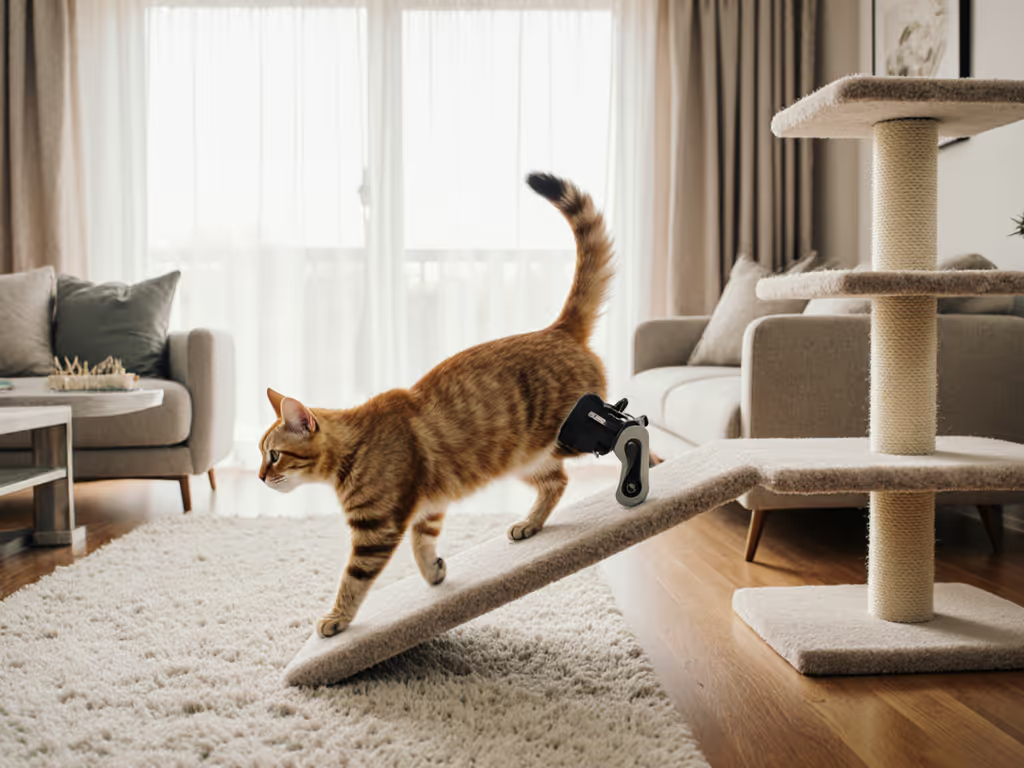
I learned this approach from necessity. Years ago, when my senior cat Kiri developed arthritis, I realized she couldn't navigate heat and steep jumps simultaneously. By creating predictable cooling zones at accessible heights with clear, non-slippery pathways between them, Kiri stopped choosing hidden spots under furniture and instead resumed her sun-spot patrol, comfortable and confident. Comfort, it turns out, is design: gentle grades, predictable paths, minimal friction. If your cat has arthritis or reduced mobility, try these senior cat comfort solutions for low-entry, non-slip, cooler resting zones.
Q: Should I worry about my cat overusing a cooling mat?
Not excessively. Your cat has excellent temperature regulation instincts. They'll use a cooling mat when they need it and move away when they've reached comfort. However, some cats (particularly older or mobility-challenged cats) may rest on a cooling mat longer than necessary if it's the only comfortable option available. Offer alternatives so they can self-regulate: a cooling mat in one spot, an elevated bed elsewhere, a tile floor in another area. This variety respects their autonomy and distributes their time across multiple comfort strategies.
Maintenance, Durability, and Long-Term Value
Q: How do I keep cooling furniture clean and functional?
Gel cooling mats require minimal maintenance: wipe the surface with a damp cloth regularly to remove fur and dust. Most have removable, washable covers that can be spot-cleaned or machine-washed on gentle cycles. Store mats in a cool place during off-season months to extend gel lifespan. For material-specific care that extends lifespan (sisal, mesh, wood, fabrics), use our cat furniture cleaning guide.
Elevated beds benefit from regular vacuuming to prevent dust accumulation in the mesh. If the fabric becomes soiled, check whether it's removable; many modern designs have detachable covers. Inspect the frame periodically for rust (particularly in humid climates) or loose joints. Quality frames can last 2+ years, while gel mats typically offer 6-18 months of effective cooling before the gel's potency diminishes.
Q: Is the cost worth it?
This depends on your perspective. Gel mats range from budget-conscious options to premium designs; elevated cooling beds similarly span a spectrum. Rather than comparing prices, compare longevity and functionality. A mid-range mat that lasts 12-18 months costs less per month of use than a cheap mat failing within 3 months. Similarly, an elevated bed that provides continuous cooling benefit across multiple summers offers better value than rotating disposable solutions. For a cat you'll care for another 5-10 years, the investment in durable cooling solutions is modest against the daily comfort it provides.
Bringing It Together: Your Next Steps
Now that you understand the mechanics of cooling systems, material choices, and strategic placement, take these practical actions:
First, assess your home's thermal landscape. Walk through each room at different times of day. Note which spaces stay naturally cooler and where your cat currently seeks refuge during heat. This reveals the zones where cooling furniture will provide the most value.
Second, decide on your combination. If your cat experiences peak discomfort or has mobility concerns, prioritize a quality cooling mat paired with an accessible elevated bed. If your cat tolerates heat reasonably well and you're looking for year-round comfort enhancement, the elevated bed alone may suffice.
Third, test placement before committing. Borrow a friend's cooling mat or elevated bed, or purchase from retailers with flexible return policies. Observe where your cat actually rests and adjust accordingly. The best cooling system is the one your cat will reliably use.
Finally, remember that cooling furniture works best alongside other heat-management practices: ensuring fresh water is always accessible at multiple heights, maintaining gentle air circulation, and offering shaded resting spots throughout your home. Comfort is a layered achievement, not a single solution.
Your cat's summer comfort, and your peace of mind knowing they're thriving indoors, is worth this thoughtful approach. Fewer barriers, more confidence: that's how we design spaces where both you and your cat flourish.
Related Articles