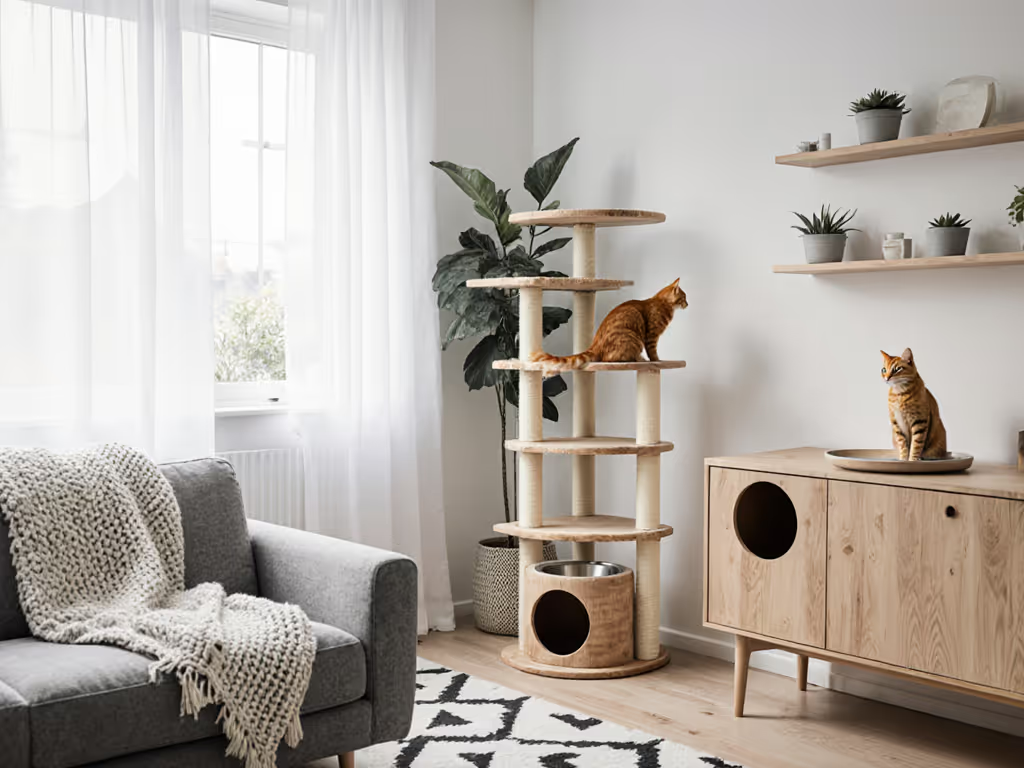
HVAC-Integrated Cat Furniture: Comfort Meets Efficiency
By Sofia Petrovic • 20th Apr
Your cat sprawls across the furniture, panting lightly. The thermostat reads 72°F, but your feline friend seems miserable. You have invested in a beautiful cat tree, yet it sits in the corner collecting heat like a solar panel, unused and gathering dust. This frustration is common, and it points to a practical problem most cat owners miss: traditional cat furniture actively works against your home's climate system rather than with it. HVAC-integrated cat furniture and climate-controlled cat spaces represent a fundamental shift in how we approach indoor cat comfort, merging your home's existing heating and cooling infrastructure with thoughtful furniture design.
The issue isn't simply about temperature. Your cat has nowhere efficient to rest during seasonal swings, your HVAC system wastes energy fighting against poor furniture placement, and you're stuck buying static pieces that don't adapt to changing needs. This cascade of inefficiency costs money, comfort, and (frankly) your peace of mind.
The Problem: Traditional Furniture Works Against Your Climate
Standard cat trees come with solid bases, dense carpeting, and zero consideration for airflow. They are thermal dead zones, places where heat accumulates and stagnant air pools. During summer, your cat avoids them. During winter, they are sitting on cold surfaces far from where warm air actually circulates. Your HVAC system, meanwhile, expends extra energy compensating for furniture blocking or redirecting airflow.
Spend with intention; let materials and modularity do the work.
Beyond comfort, traditional pieces rarely reward durability. The fabric-covered legs harbor dust and cat hair, requiring constant cleaning. Worn carpeting can't be replaced affordably, forcing replacement of the entire structure. They are designed for disposal, not adaptation (a frustration that compounds when your living situation changes or your cat's needs evolve).
Why This Matters: The Hidden Cost of Static Solutions
Consider the total cost of ownership. A mid-range cat tree ($80-$150) lasts 2-4 years before carpeting shreds, legs destabilize, or your cat simply outgrows the design. That's $20-$75 per year in replacement cycles, plus the environmental footprint of frequent disposal. Add the energy waste from poor furniture positioning, and an inefficient layout can force your HVAC to run 10-15% harder. Traditional solutions carry a hidden financial and ecological burden.
Your cat senses this static environment, too. Bored cats gravitate toward destructive behaviors: scratching furniture, climbing curtains, or showing signs of lethargy. The guilt compounds when you realize the furniture you bought to enrich their space is actually constraining it.
The Solution: Understanding HVAC-Integrated Design
HVAC-integrated cat furniture operates on a simple principle: align furniture placement and design with your home's climate system rather than against it. This isn't a single product category; it is a strategic approach combining ventilated construction, smart positioning, and modular adaptability.
The core mechanism works through three integrated strategies:
Ventilated Construction
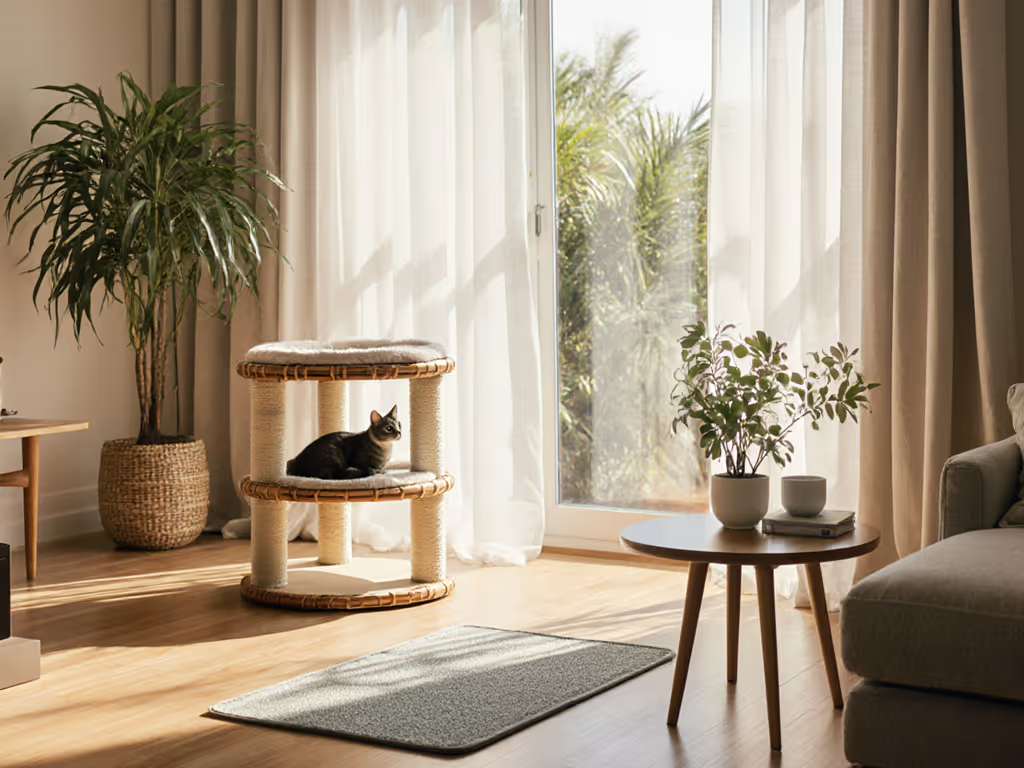
Breathable cat bed construction incorporates materials and structures that promote air circulation. Rather than solid bases and dense carpeting, these designs use elevated platforms and open weaves. Faux rattan woven designs, for instance, create natural ventilation channels throughout the structure while maintaining durability against clawing. Modern materials like faux rattan resist heat absorption better than traditional fabric-covered furniture, preventing the thermal dead zones common in older designs.
This isn't about sacrificing comfort; it's about reframing it. Air circulation prevents heat buildup while maintaining structural integrity.
Strategic Positioning
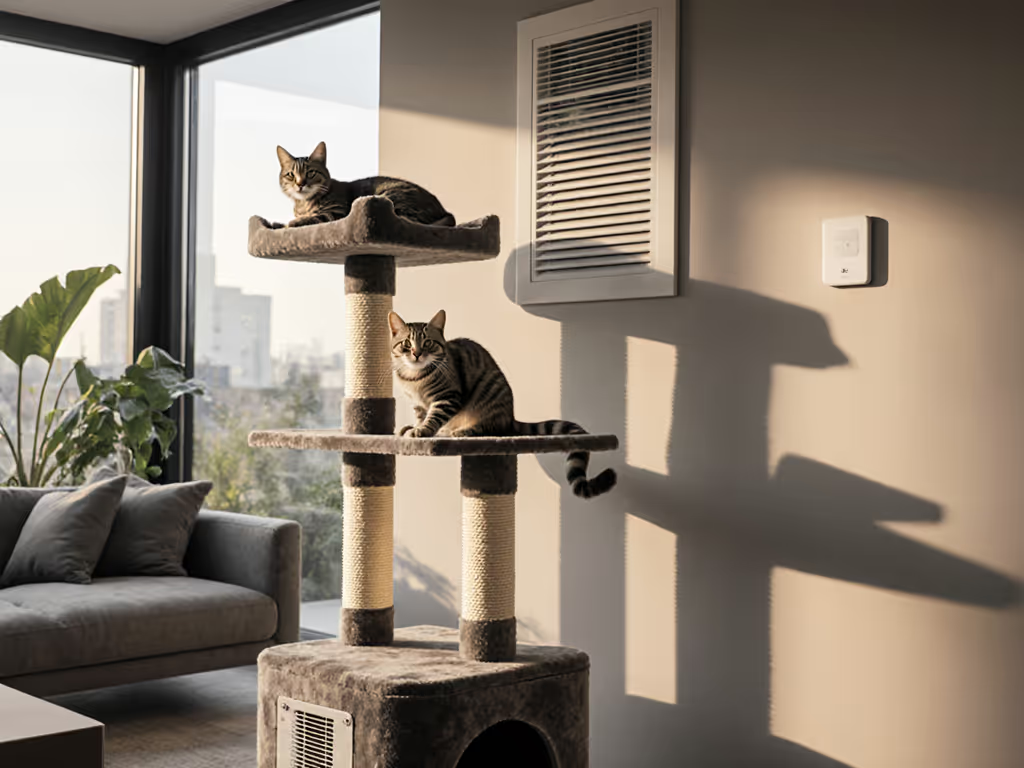
Positioning your cat furniture near air circulation sources creates the most effective cooling environment without additional energy costs. An A-Frame Cat Bed's ventilated base can be placed directly over floor air vents, allowing your home's cooling system to create a personalized climate-controlled space for your cat. Strategic placement near return air vents creates gentle air circulation around elevated cat furniture. This transforms what's normally "wasted" airflow into a targeted cooling zone.
For colder months, the same principle applies in reverse: positioning near heat vents or in warmer zones maximizes comfort without thermostat adjustments.
Layered Functionality
Combining different furniture types creates an integrated cooling system throughout your home: If you're deciding between vertical solutions, compare wall shelves vs cat trees to align with your airflow zones.
- Elevated shelves for active perching in cooler air zones
- Ventilated beds for comfortable resting with direct cooling
- Multi-level towers for temperature zone selection
- Wall-mounted options for space-efficient cooling solutions
This modular approach means your cat can self-regulate throughout the day (a concept grounded in feline behavior). Cats naturally seek temperature zones that match their activity level. Providing multiple options aligned with your HVAC pathways lets them do exactly that.
Comparing Approaches: Traditional vs. HVAC-Integrated
| Aspect | Traditional Furniture | HVAC-Integrated Design |
|---|---|---|
| Airflow | Blocks or redirects air; creates thermal dead zones | Channels air naturally; supports climate efficiency |
| Material | Dense carpeting, solid bases | Ventilated weaves, faux rattan, elevated platforms |
| Placement Flexibility | Static positioning | Strategic zones aligned with HVAC returns/vents |
| Cleanability | Difficult; fabric traps hair and dust | Easy; woven surfaces and smooth bases wipe clean |
| Seasonal Adaptation | No built-in adjustments | Works with heating and cooling cycles |
| Durability | 2-4 years; full replacement needed | 5+ years; components replace individually |
| Energy Impact | Increases HVAC load 10-15% | Reduces HVAC load through efficient placement |
| Cat Comfort | Limited cooling/heating options | Cats select preferred temperature zones |
Practical Implementation: Where to Start
You don't need to replace everything at once. Think modularly (Sofia's anecdote about salvaged maple and reconfigurable steps illustrates this philosophy well). When my modular pieces needed to move between apartments, the same structure served three different configurations across five years. That's the durability-plus-joy equation: furniture that adapts to your life while genuinely serving your cat's needs.
Step 1: Audit Your HVAC Layout
Map where cold air returns enter and where warm air vents emerge. These become your furniture zones. Cold returns (typically ceiling-mounted or floor-level) offer natural cooling. Warm vents (baseboards, floor vents) provide winter comfort.
Step 2: Choose Ventilated Designs
When evaluating cat furniture, prioritize airflow over aesthetics alone (though modern ventilated designs are genuinely beautiful). Woven designs provide dual benefits: they allow air to flow freely through the bed while offering visibility for cats who prefer to monitor their surroundings.
Step 3: Position Strategically
Positioning furniture to work with your home's HVAC system maximizes cooling efficiency without additional energy costs. This integration approach creates targeted cooling zones. Place ventilated beds within 3-4 feet of air returns or vents. Position elevated perches where your cat can access cooler zones while monitoring their territory.
Step 4: Choose Repairable Components
Buy once, cry never. This means selecting pieces where sisal rope, cushions, or platform bases can be replaced rather than discarding the whole structure. This approach reduces environmental impact while keeping costs predictable over time.
Seasonal Adaptability and True Cost Savings
Climate-controlled cat spaces adapt year-round. Summer positioning near cooling vents keeps your cat comfortable while your AC operates more efficiently. For detailed seasonal setup tips, see our seasonal cat comfort guide. A 10-15% reduction in HVAC workload translates to roughly $10-$20 per month in energy savings during peak seasons. Over a furniture lifespan of 5-7 years, that's $600-$1,400 in direct savings, before accounting for reduced replacement cycles.
Summer cat essentials include furniture with removable, washable components for increased cleaning frequency during warmer months. This durability multiplier means pieces remain hygienic and attractive across seasons without degradation.
Addressing Multi-Cat Dynamics
For households with multiple cats, airflow-optimized cat perches let you create distinct temperature preferences without conflict. For layout strategies that reduce conflict, read our multi-cat territory design guide. Some cats prefer cooler zones; others seek warmth. A layered system aligned with HVAC zones accommodates this naturally, reducing territorial tension and stress-related behaviors.
Environmental and Financial Reframe
HVAC-integrated furniture represents conscious consumption. You're not buying a trend or a disposable solution; you're investing in infrastructure that serves dual purposes: your comfort and your cat's. The materials, often sourced sustainably and designed for component replacement, carry lower environmental impact than traditional cat furniture's replace-and-discard cycle.
Indoor cat comfort improves significantly when furniture materials and design features actively support natural temperature regulation.
This isn't about deprivation or compromise. It's about designing smarter.
The Broader Picture: Redefining Cat Furniture Standards
HVAC-efficient cat pathways and temperature-stable furniture placement are not futuristic concepts; they are applications of basic building science that most furniture makers simply haven't adopted. Contemporary cat furniture designs incorporate specific ventilation elements that distinguish them from traditional solid constructions. These features provide measurable cooling benefits during warmer months.
Your role is recognizing that thoughtful placement and airflow-conscious design aren't premium upgrades; they are fundamental to durability and comfort.
Moving Forward
If you're struggling with static cat furniture, cluttered spaces, or energy concerns, HVAC-integrated design offers practical solutions grounded in physics rather than marketing. Start by observing your home's airflow patterns. Notice where your cat naturally gravitates during temperature swings. Position new furniture accordingly. Choose ventilated designs over dense ones. Prioritize repairable components over all-or-nothing replacements.
The path forward invites further exploration of your home's climate, your cat's preferences, and the growing ecosystem of designers who understand that thoughtful furniture serves multiple needs at once. Consider auditing current products through the lens of airflow, material durability, and strategic placement, then make changes incrementally rather than overhaul everything at once. Your wallet, your HVAC system, and your cat will thank you.
Related Articles