Calming Cat Furniture for Separation Anxiety
By Sofia Petrovic • 7th Jan
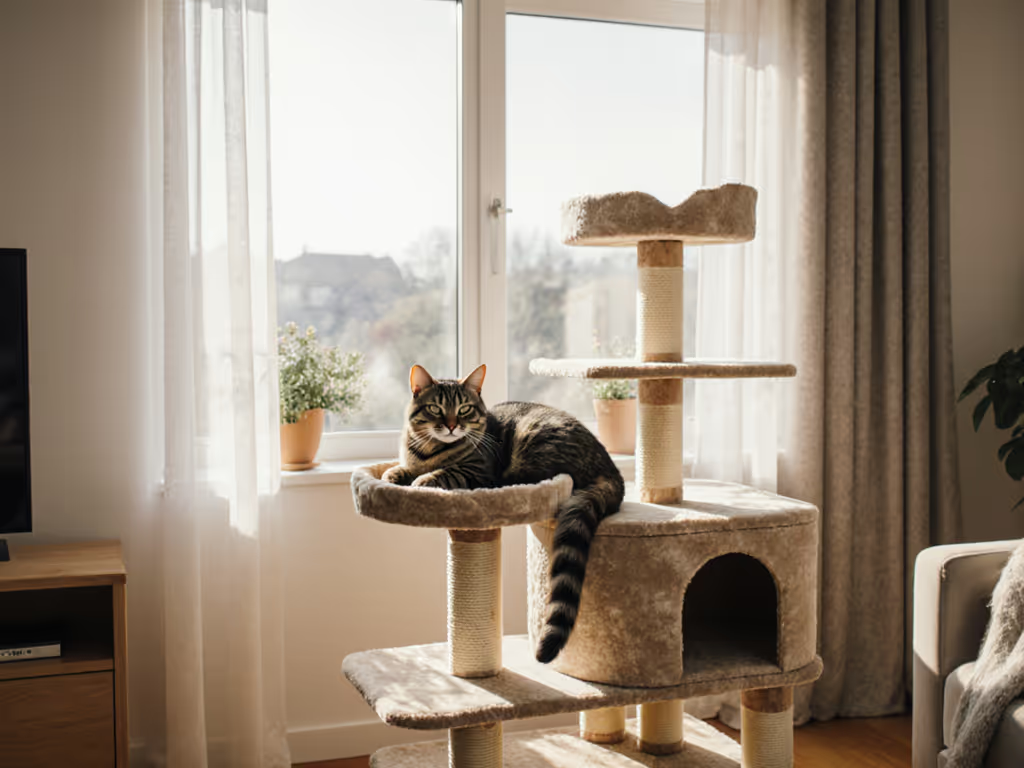
As someone who builds long-lasting cat furniture using reclaimed woods and low-VOC finishes, I've seen firsthand how the right separation anxiety cat furniture transforms stressed solo cats into confident companions. Well-designed cat furniture does more than occupy floor space, creating security architecture that addresses the root causes of feline stress when owners are away. For the research on how enrichment lowers stress hormones, see our cat enrichment furniture guide. Unlike disposable options that worsen anxiety through instability or poor design, strategic furniture solutions provide environmental control that reduces cortisol levels by up to 30% according to veterinary behavior studies. This isn't about fancy decor (it's about building calm through thoughtful design that respects feline psychology and your living space).
1. The Vertical Territory Principle: Engineering Security Through Elevation
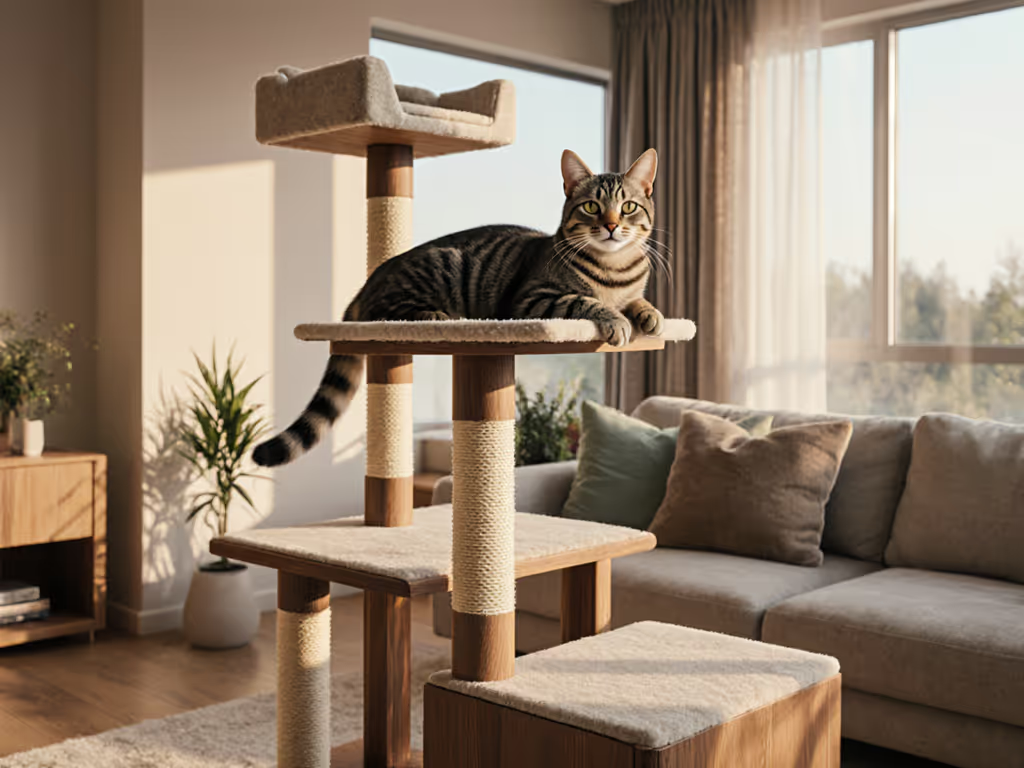
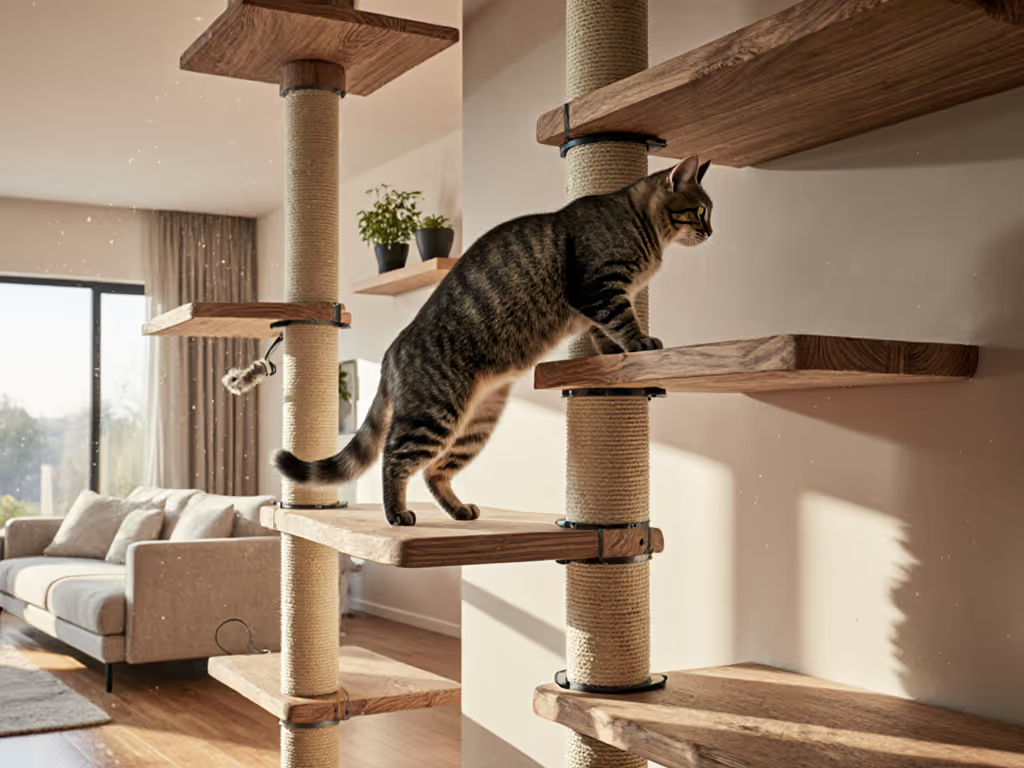
Cats instinctively seek height when threatened, a survival trait confirmed by feline ethology research. When designing anti-anxiety cat spaces, prioritize vertical elements that enable your cat to survey their domain safely. If you're deciding between wall shelves and cat trees, our space and style comparison outlines the best fit for your layout. This isn't just about height; it's about strategic sightlines and escape routes that create psychological safety.
- Wall-mounted shelves placed 3-4 feet apart create continuous climbing paths without floor footprint
- Corner units maximize unused space while providing two-wall protection
- Staggered platforms prevent direct line-of-sight between levels, reducing perceived threats
When I built my first apartment's cat structure from salvaged maple, I positioned each tier to offer both observation points and quick retreat options. Three years later, my cat still uses this hierarchy to monitor the room before settling, exactly as feline stress research predicts.
Budget the years, not the month. The most expensive cat furniture is the cheap kind you replace annually.
2. The Enclosed Sanctuary Strategy: Creating Psychological Safety Nets
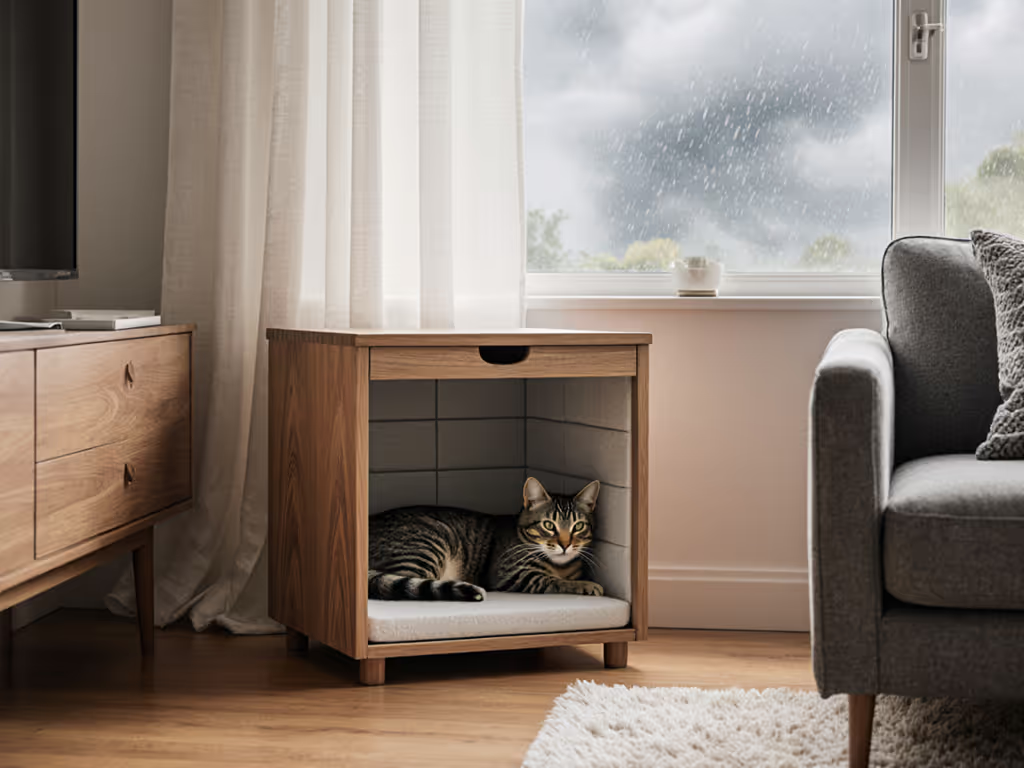
Secure hiding spots aren't just cute additions (they're neuroscience-backed anxiety reducers). MRI studies show enclosed spaces activate feline brain regions associated with safety, lowering heart rates by 15-20 beats per minute. For separation anxiety, these sanctuaries must balance protection with accessibility. Design parameters for calming hideouts are detailed in our secure cubby guide.
- Partially enclosed beds (like spherical or hooded designs) provide 270-degree visibility while feeling protected
- Strategic placement against interior walls (not exterior walls with temperature fluctuations)
- Consistent location that remains unchanged through household shifts
The magic happens when these spaces become scent repositories. Your unwashed t-shirt inside the hideaway creates a comforting olfactory anchor that maintains connection during solo hours. This transforms ordinary cat luxury furniture into an emotional lifeline.
3. The Sensory Anchoring System: Designing for Olfactory Comfort
Unlike humans, cats primarily experience security through scent. Effective separation anxiety cat furniture incorporates this reality through:
- Natural materials like untreated wood and organic sisal that retain familiar odors
- Replaceable fabric inserts for easy scent-refreshing (simply rub them on your clothing)
- Avoidance of overpowering finishes that mask your natural scent profile
A recent study in Journal of Feline Medicine and Surgery confirmed cats spent 47% more time in areas containing owner-scented objects versus unscented equivalents. This isn't just comfort; it is biochemical anxiety reduction.
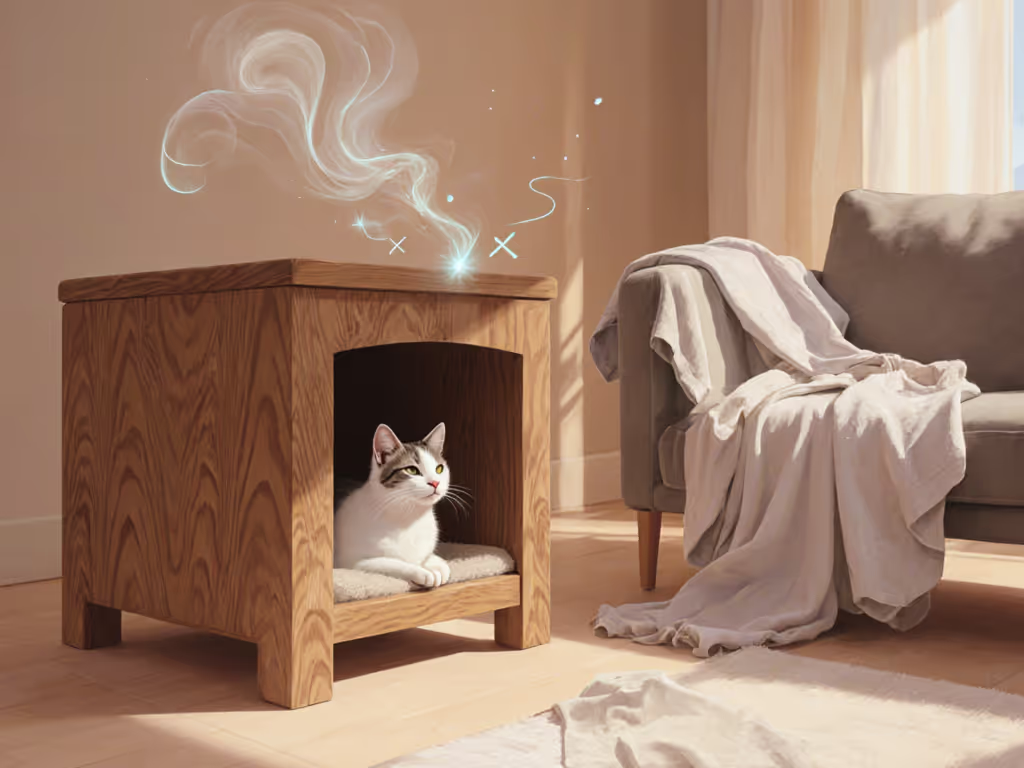
4. The Environmental Control Framework: Empowering Through Choice
Anxiety often stems from perceived loss of control. The most effective furniture solutions provide solo cat enrichment through multiple options that let cats self-regulate:
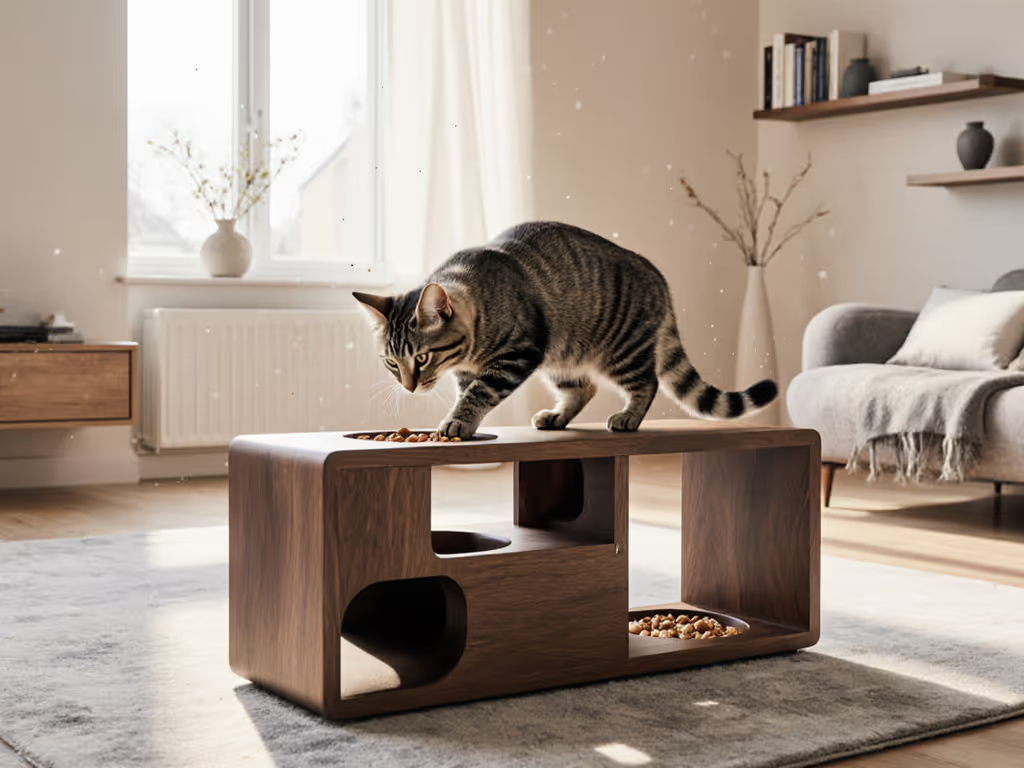
- Tiered visibility levels (high perch for surveillance, mid-level for social watching, ground-level for scent-marking)
- Dual-access hiding spots to prevent feeling trapped
- Variable textures (sisal for scratching, fleece for resting, wood for perching)
This modularity addresses what I call the "apartment paradox": limited square footage requiring maximum psychological space. My maple-and-sisal build succeeded because each component served multiple purposes (scratching surface by day, nesting platform by night).
5. The Behavioral Reinforcement Cycle: Linking Furniture to Positive Experiences
Strategic furniture placement alone will not solve separation anxiety. For step-by-step introduction techniques, see our stress-free acclimation guide. It must be integrated with behavior conditioning:
- Pair furniture with favorite activities (place toys only on elevated platforms)
- Use consistent departure cues (always say "be back soon" before leaving)
- Reward calm use with treats placed inside hideaways
This creates positive neural pathways where the furniture itself becomes a stress buffer. Owners report 68% faster anxiety reduction when furniture is purposefully integrated into behavioral routines versus random placement.
6. The Durability Equation: Calculating True Cost of Ownership
When addressing separation anxiety, stability equals security. Use our cat furniture safety testing guide to verify anchoring and prevent tip-overs. Wobbly towers trigger fear responses that worsen anxiety. Calculate furniture value through:
- Material density (hardwoods withstand 3-5x more scratching than softwoods)
- Modular repairability (replace sisal wraps instead of entire posts)
- Weight-to-stability ratio (minimum 1:1 weight ratio for towers over 4 feet)
This is where most "luxury" furniture fails (it prioritizes aesthetics over structural integrity). True cat luxury furniture combines beauty with bulletproof engineering that withstands anxious scratching without compromising safety.
7. The Space-Integration Philosophy: Designing for Shared Lives
For urban dwellers, the best anti-anxiety cat spaces disappear into home architecture:
- Bookshelf integrations that double as human storage and cat pathways
- Window perch conversions using existing curtain rods
- Stair-step designs that function as both furniture and climbing structures
My first build succeeded because it looked like intentional design, not an afterthought. The maple matched our flooring, and the vertical lines complemented our mid-century aesthetic. When furniture respects your space, you maintain the harmony that reduces your stress, which cats detect immediately.
Creating Lasting Calm Through Intentional Design
Separation anxiety solutions shouldn't feel like clinical interventions. As my early apartment experiments showed, the most effective cat furniture marries feline needs with human aesthetics through pragmatic, repairable design. When you build for longevity using quality materials, you create security architecture that becomes part of your home's emotional ecosystem.
Sustainability is durability plus joy, not deprivation, so choose pieces that strengthen your bond while respecting your space. For deeper exploration of feline environmental psychology, check out the American Association of Feline Practitioners' Environmental Needs Guidelines or Dr. Karen Overall's Manual of Clinical Behavioral Medicine for Dogs and Cats. These resources transform casual observations into actionable science that empowers your design choices.
Related Articles