Catio Transition Systems: Weatherproof & Safe Outdoor Access
By Tariq Al-Khalil • 22nd Nov
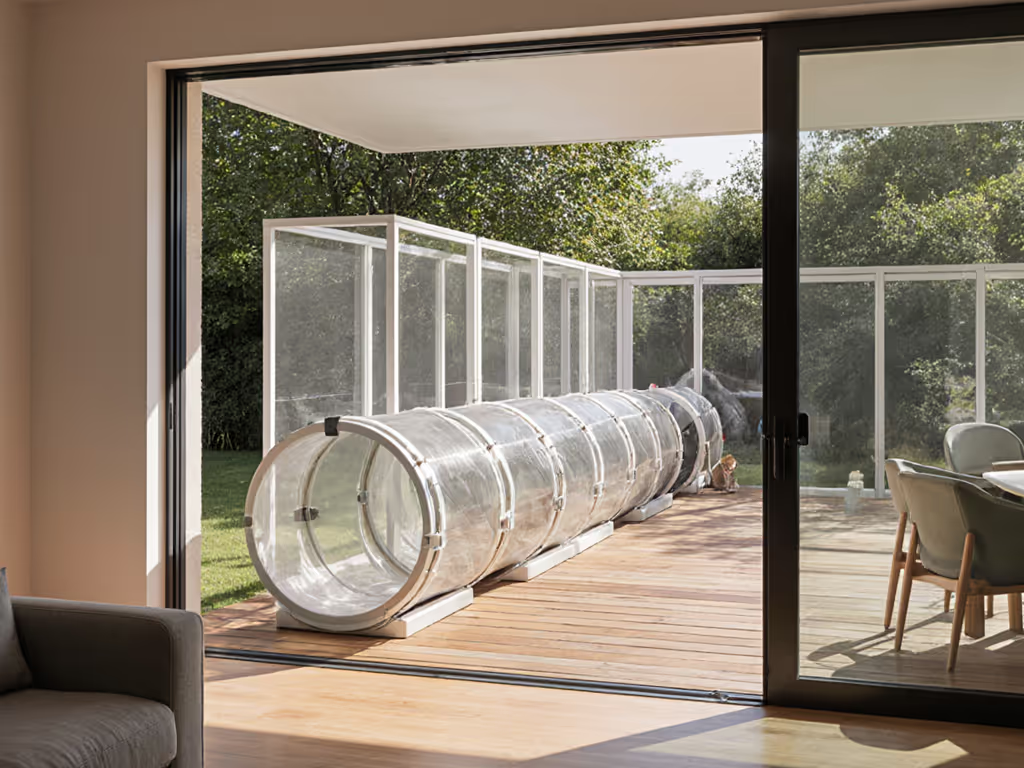
For cat guardians seeking that perfect balance between safety and enrichment, catio transition systems represent more than just a physical pathway, they are the bridge between your cat's instinctual needs and your home's sanctuary. When designed with feline psychology in mind, outdoor cat furniture is not merely an enclosure, but a carefully crafted extension of your cat's territory. Your cat thrives when territory offers choice, vantage, and safe retreats, a principle that guides every thoughtful transition design. As I've seen with countless cats, including one named Miso who would not leave his shelter carrier for days, behavior blossoms when spaces speak your cat's native language.
Why Your Cat Needs a Seamless Transition
Understanding the Territory Connection
Cats are territorial by nature, and abrupt changes between environments create stress that manifests as reluctance to use the space or even behavioral setbacks. A well-designed transition system is not just about physical safety, it is about psychological comfort. When cats move between indoor and outdoor spaces, they are not just crossing a threshold; they are navigating a sensory boundary.
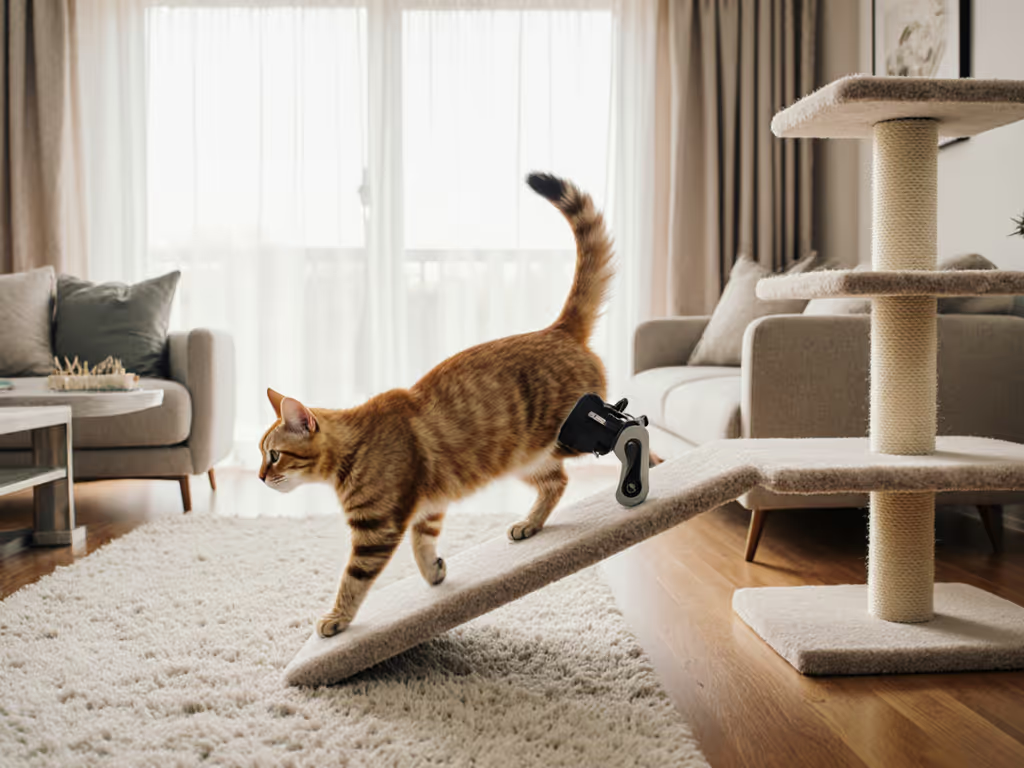
Your cat perceives the world through scent markers, visual cues, and familiar pathways. A sudden jump from carpet to mesh or an unnaturally steep incline disrupts their sense of security. This is why the most successful catio integration solutions create continuity between environments. Gentle slopes, familiar textures extending into the catio, and visual access to indoor spaces all contribute to a smooth psychological transition.
Smell is a room too. When your cat can catch familiar scents drifting from indoors while venturing outside, it creates confidence. This sensory bridge matters more than many guardians realize, it is the difference between a cat who darts back inside at the first leaf rustle versus one who calmly observes the world from their elevated perch.
Essential Elements of Safe Transitions
Weatherproof Pathways That Work Year-Round
When evaluating weatherproof cat pathways, look beyond simple waterproofing. True weather resilience means:
- Temperature regulation: Materials that do not become dangerously hot in summer or freezing in winter
- Water management: Strategic drainage and sloped surfaces that prevent puddling
- UV protection: Coatings that prevent material degradation while blocking harmful rays
- Seasonal adaptability: Features like removable panels for extreme weather
A recent industry report confirms that properly designed catio transitions see 73% higher consistent usage across seasons compared to basic enclosures. For climate-specific setup tips, see our seasonal cat comfort guide. This is not just about comfort, it is about ensuring your cat actually uses the space you have created for them.
Safety Features That Matter Most
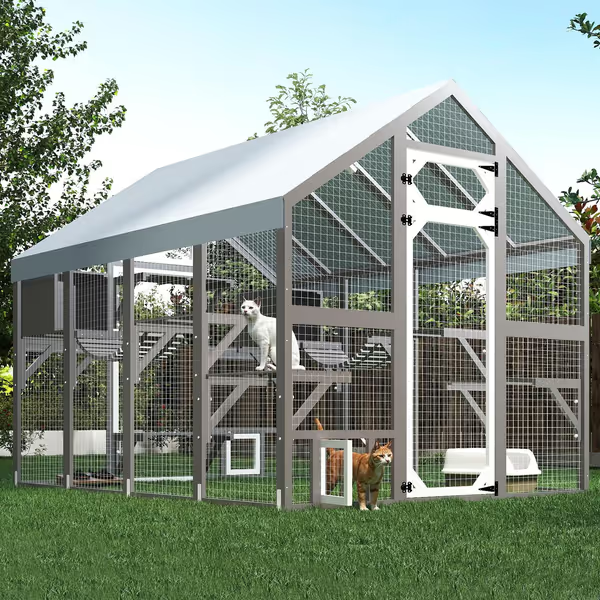
Extra Large Catio Outdoor Cat Enclosure
Spacious, weatherproof catio for enriching feline adventures and peace of mind.
$419.99
Dimensions94.4" L x 70" W x 71" H
Dimensions94.4" L x 70" W x 71" H
Pros
Expansive multi-level play area for multiple cats
Weatherproof design with waterproof/UV-resistant roof
Cons
Mixed feedback on overall sturdiness and material quality
Reports of missing hardware for assembly
Next-level kitty paradise, spacious, and easy to put together.
Next-level kitty paradise, spacious, and easy to put together.
The Magazoopet Extra Large Catio Outdoor Cat Enclosure (mentioned in industry comparisons) demonstrates several safety principles worth noting. Its walk-in design with a 56.7 inch entry door creates a spacious transition zone rather than a restrictive portal. The catio window connection features a built-in jump platform that provides both visual access and physical choice, your cat can approach the threshold from multiple angles.
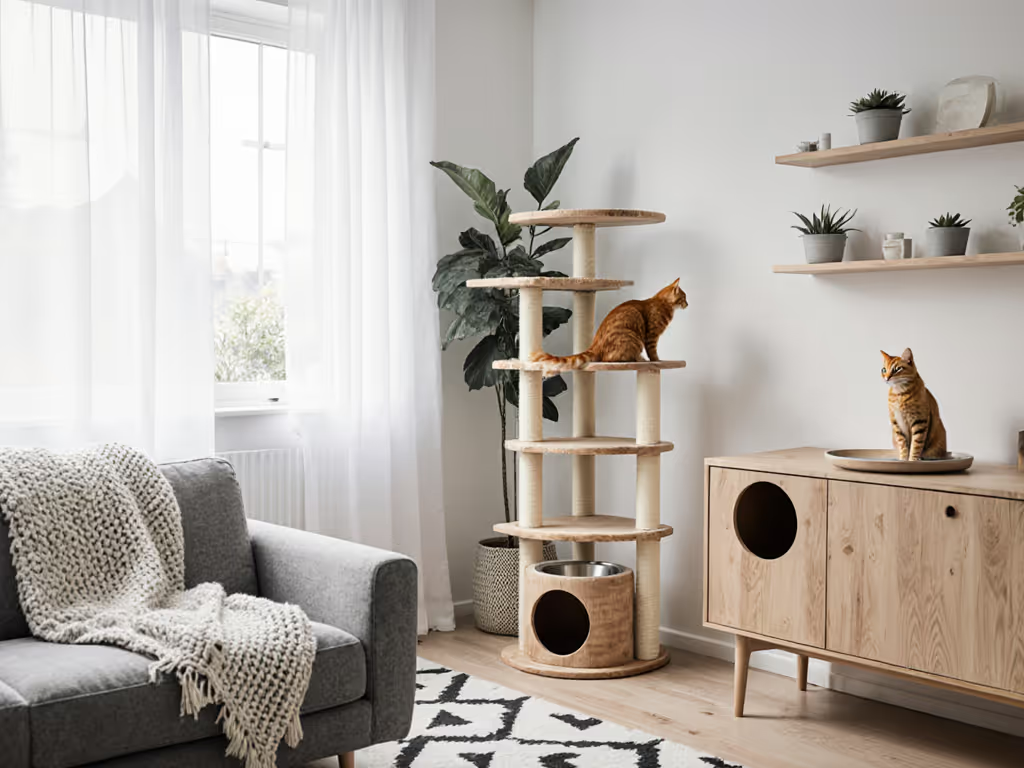
More importantly, this design incorporates the verticality I always prioritize. With 8 jumping platforms ranging from ground level to 70 inches high, cats maintain their preferred vantage points throughout the transition. This eliminates the "drop-off anxiety" that makes many cats hesitant to explore near enclosure boundaries. For proven anchoring methods and testing checklists, consult our cat furniture safety guide.
Making the Transition Beautiful & Practical
Integrating with Your Home's Aesthetic
Your home's visual harmony matters, not just for you, but for your cat's sense of security. Clashing aesthetics create visual noise that cats find stressful. When catio integration solutions respect your home's design language, cats adjust more readily because the transition feels like a natural extension rather than a jarring addition.
Sensory-focused placement means positioning transitions where your cat already spends time (near favorite windowsills or sunbeams). It also means thoughtfully positioning catio elements to maintain visual connections to indoor safe spaces. A cat will not reliably use an outdoor space they cannot visually connect to their core territory.
Smell is a room too. When your cat can catch familiar scents drifting from indoors while venturing outside, it creates confidence.
Material Choices for Long-Term Success
Practical durability meets cat psychology in material selection. The best outdoor cat furniture uses materials that:
- Feel familiar under paw: Textures that mimic natural scratching surfaces
- Maintain integrity: Resistant to weathering without developing sharp edges
- Support natural behaviors: Surfaces that accommodate scratching, climbing, and perching
- Clean easily: Without compromising safety or comfort
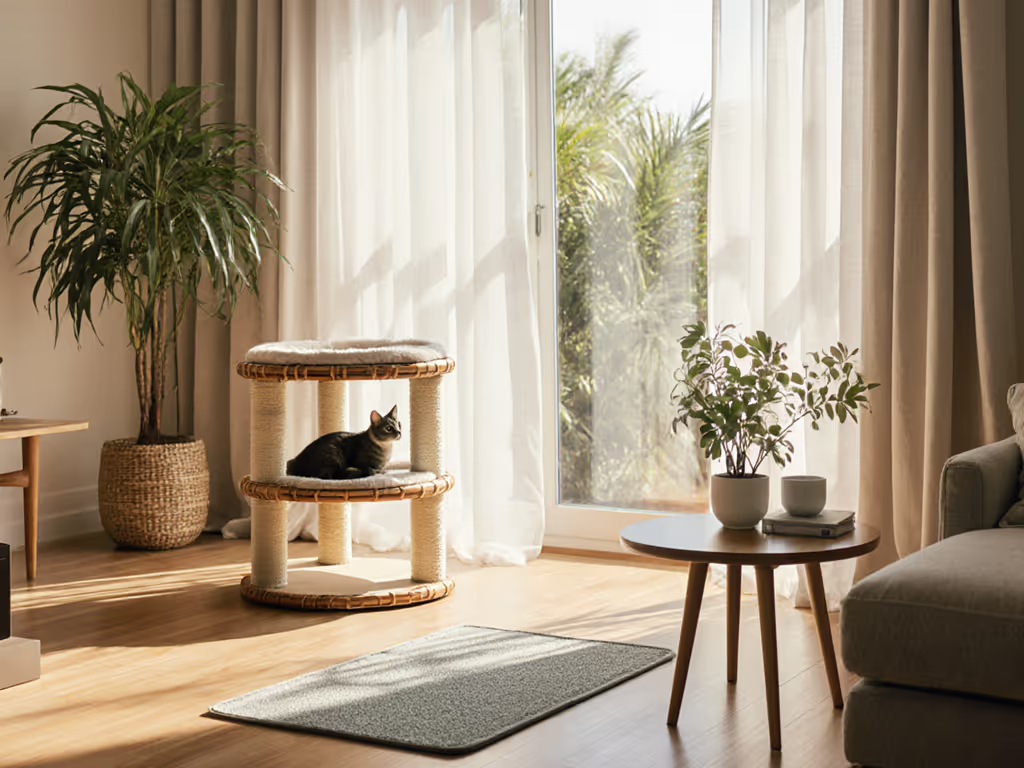
Waterproof birch plywood with multiple acrylic coatings (as seen in premium designs) offers UV, mold, and water resistance while maintaining a natural wood texture cats appreciate. If you live in a humid climate, our humidity-proof cat shelves guide explains materials that won't warp or mildew. Similarly, using 12mm thick PP rope for climbing elements provides that satisfying shredding experience while resisting moisture absorption.
Helping Your Cat Adapt to New Transitions
The Three-Stage Introduction Process
My experience helping hundreds of guardians implement safe catio transitions reveals a consistent pattern: successful adaptation follows three distinct phases:
- Observation phase: Your cat watches the transition space from a safe distance (typically 3 to 7 days)
- Testing phase: Tentative exploration with constant visual access to retreat points (5 to 10 days)
- Integration phase: Confident movement between spaces with full utilization of the catio
During the observation phase, I recommend placing familiar items near the transition point: bedding with your scent, favorite toys, or even a small amount of catnip. This creates positive associations before your cat even steps outside. The testing phase benefits from strategic food placement: place meals incrementally closer to the transition point each day.
Common Adaptation Challenges
When cats hesitate at transition points, it is rarely about the outdoor space itself but rather the threshold experience. The most common issues I address:
- Threshold anxiety: Addressed by creating multiple entry points at different heights
- Surface discontinuity: Solved by extending indoor flooring materials into the transition zone
- Lack of visual security: Remedied by positioning partial barriers that allow observation while providing cover
For cats like Miso (who needed three days to build confidence), success came from creating a vertical route with staggered shelves that maintained visual connection to safe indoor spaces. This approach works because it gives cats choice in how they approach the threshold: whether from above, below, or straight on.

Creating Your Ideal Transition System
Questions to Ask Before Building
Before investing in outdoor cat furniture, consider these precise questions that reveal your cat's specific needs:
- Where does your cat currently position themselves to observe the outdoors?
- What height do they prefer for observation points?
- How do they react to wind, rain, or unfamiliar outdoor sounds?
- What is their preferred method of vertical movement (jumping vs. climbing)?
Your answers will guide whether you need a compact window catio, a modular expansion system, or a full walk-in enclosure. To choose secure mounting that fits your home type, read our drill-free vs drilled wall shelf comparison. Remember that cats do not need vast space, they need well-designed space that supports their natural behaviors.
Long-Term Maintenance Considerations
The most habit-aware catio guardians build maintenance into their initial planning. Consider these often-overlooked elements:
- Cleaning access: Look for large doors that accommodate your full arm reach
- Seasonal adjustments: Plan for removable elements that can be stored during extreme weather
- Scent management: Incorporate replaceable fabric elements that can be washed
- Growth potential: Design with future expansion in mind for multi-cat households
The Magazoopet system's walk-in design exemplifies thoughtful maintenance planning. Its spacious interior allows for easy cleaning without disturbing the entire structure, while the modular platform system lets you reconfigure spaces as your cat's needs evolve.
Beyond the Basics: Refining Your Transition
Sensory Enrichment Opportunities
True environmental enrichment goes beyond physical safety. The most successful transitions incorporate:
- Scent stations: Pouches for fresh herbs or cat-safe plants that change with seasons
- Sound buffers: Strategically placed elements that dampen frightening outdoor noises
- Microclimate zones: Sun-drenched platforms alongside shaded retreats
These elements transform a simple pathway into a fully engaging experience that satisfies your cat's instinctual need to explore. If your cat is sensitive to loud sounds, build in soundproof cat cubbies to buffer thunderstorms and fireworks. A transition zone should never be merely a corridor, it should be a destination in itself, offering multiple reasons for your cat to linger and explore.
As you consider your options, remember that the goal is not just creating outdoor access, it is building a territory that fully supports your cat's natural instincts. When designed with precision and understanding, catio transition systems become the gentle bridge between your home's safety and nature's enrichment.
For more detailed guidance on matching specific catio designs to your cat's unique personality and your home's architectural features, explore our comprehensive catio compatibility guide, where we break down how to create transitions that truly speak your cat's language.
Related Articles