Unique Cat Furniture for Cork Flooring Homes
By Lena Okafor • 7th Mar
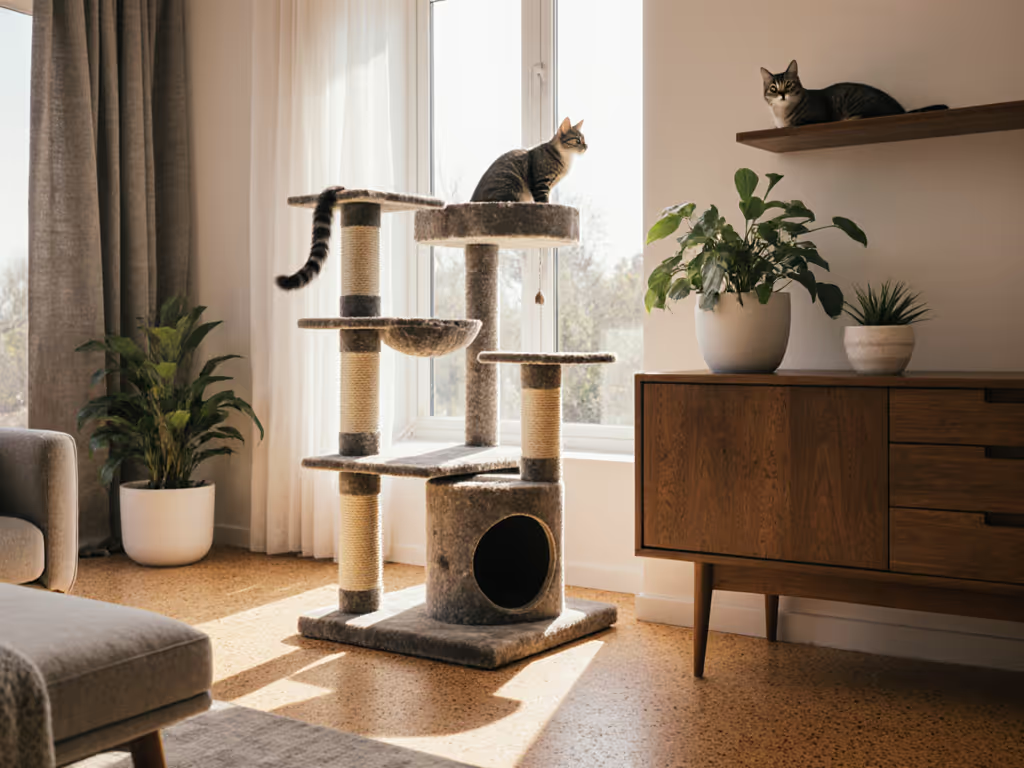
When you choose unique cat furniture for a cork flooring home, you're not compromising between your cat's needs and your interior vision, you're orchestrating them together. Cork flooring's soft, warm surface creates an ideal foundation for thoughtful furniture placement, and pairing it with strategically designed cat elements transforms your space from obstacle course to intentional sanctuary. Whether you're working with limited square footage or designing an open floor plan, the right cork flooring protective furniture serves both your feline companion and your aesthetic priorities. For open layouts, explore creating cat territories in open homes to prevent resource conflicts without cluttering your cork floors.
Cork flooring, harvested from the bark of cork oak trees and pressed into that distinctive cushioned surface, presents both opportunity and consideration when selecting cat furniture.[1] Unlike concrete or hard tile, cork rewards a layered approach to feline enrichment, one that respects the floor's vulnerability while celebrating its warmth and acoustic benefits.
Why Cork Flooring Changes Your Furniture Strategy
Cork's unique properties reshape how you think about cat furniture placement and design. The soft, naturally sound-absorbing surface means your cat's midnight parkour session won't echo through the apartment.[2] That same cushioning that makes cork wonderful for an older cat's joints also means direct scratching at the floor can cause visible damage over time, particularly if claws aren't regularly trimmed.[1] This isn't a reason to abandon cork; it's the reason to curate furniture that channels scratching instinct away from the floor entirely.
The material's mild water sensitivity also influences your choice of bases and protection layers. Cork that's properly sealed handles occasional accidents, but standing moisture creates long-term risk.[2] Cat furniture with moisture-resistant feet and sealed wood bases becomes practical design, not just aesthetics.
The Cork-Friendly Foundation
Furniture for cork flooring homes works best when bases distribute weight and moisture exposure. Look for:
- Hardwood or engineered wood platforms with sealed finishes (maple, oak, or walnut tones blend cohesively with warm cork)
- Rubber or silicone feet that grip without trapping moisture
- Minimal direct contact between fabric backing and floor
- Measurement-specific installations: wall-mounted pieces reduce floor footprint
Let the room do some of the work. A corner-mounted shelf system doesn't compete for visual space, and it keeps claws directed upward rather than downward. I learned this with Luna. When I sketched a wall run that framed my bookcase using reclaimed offcuts, she claimed the highest perch within minutes, and my floor finally had breathing room.
Comparing Furniture Styles for Cork Spaces
Wall-Mounted Shelving and Runs
Best for: Compact spaces, cork preservation, visual lightness
Wall-mounted systems are the quiet heroes of cork flooring homes. They eliminate the wide footprint of traditional floor-standing trees while creating an architectural feature that feels intentional rather than added-on. Measurement matters here. Shelves positioned at 18 to 24 inches apart accommodate climbing and perching without overloading your cat's joints on descents. Not sure how to mount safely? Compare drill-free vs drilled wall shelves for stability, cost, and renter-friendliness.
Choose metal brackets with sealed wood shelves (3/4-inch thickness minimizes bounce) in finishes that echo your existing palette. White oak harmonizes with lighter cork; espresso or walnut grounds warmer tones. Rope or natural sisal wrapping on select shelves redirects scratching instinct without adding visual clutter.
Why it works with cork: Reduces pressure on the floor; keeps claws elevated.
Maintenance consideration: Dust settles differently on vertical installations, and weekly wiping prevents fur accumulation.
Freestanding Towers with Sealed Bases
Best for: Multi-cat households, statement design, mobile placement
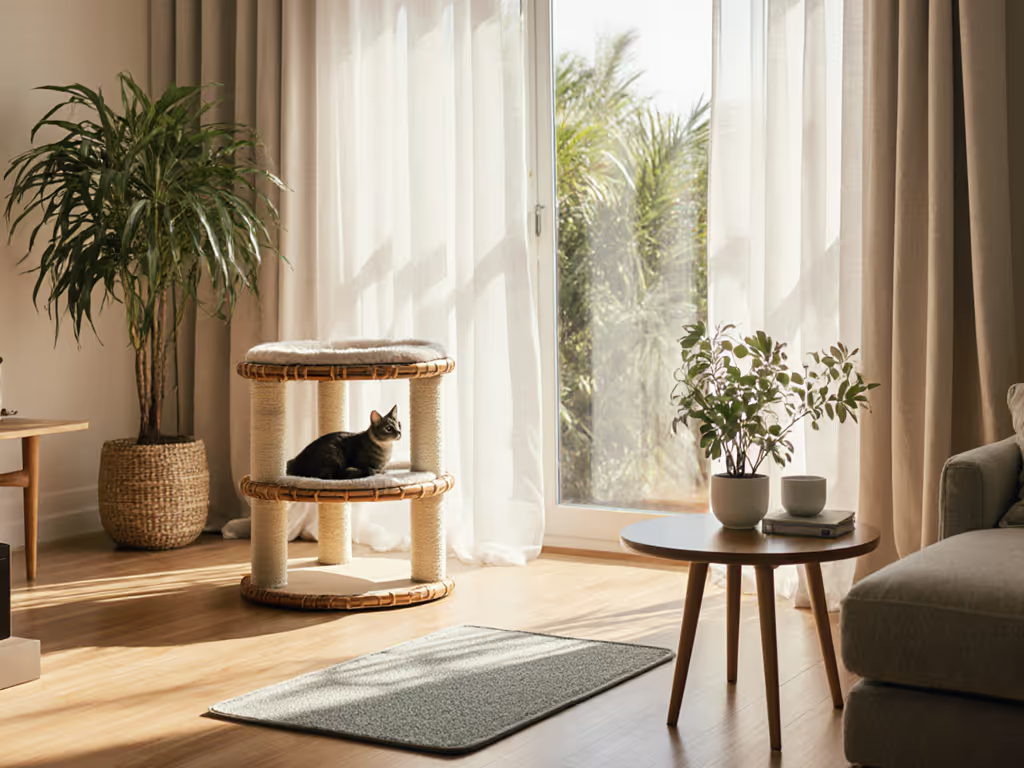
A well-designed tower (really, a piece of furniture rather than "cat tree") can anchor a room while serving your cat's climbing and perching needs. The key distinction: sealed, durable bases with rubber feet that won't trap moisture against cork.[2] Look for structures with a footprint no larger than 24 × 24 inches unless your space genuinely permits wider installations.
Upholstery choice matters. Microsuede or performance fabrics clean quickly and hide dust better than standard plush. Neutral tones (cream, gray, warm taupe) or bold jewel tones integrate into a designed space. Avoid beige carpet-grade material, which reads as purely functional rather than intentional.
Why it works with cork: Sealed base protects the floor; vertical design doesn't compete for space.
Maintenance consideration: Microsuede requires occasional lint-rolling; performance fabrics typically wipe clean.
Low-Profile Platforms and Perches
Best for: Older cats, visual minimalism, cork preservation
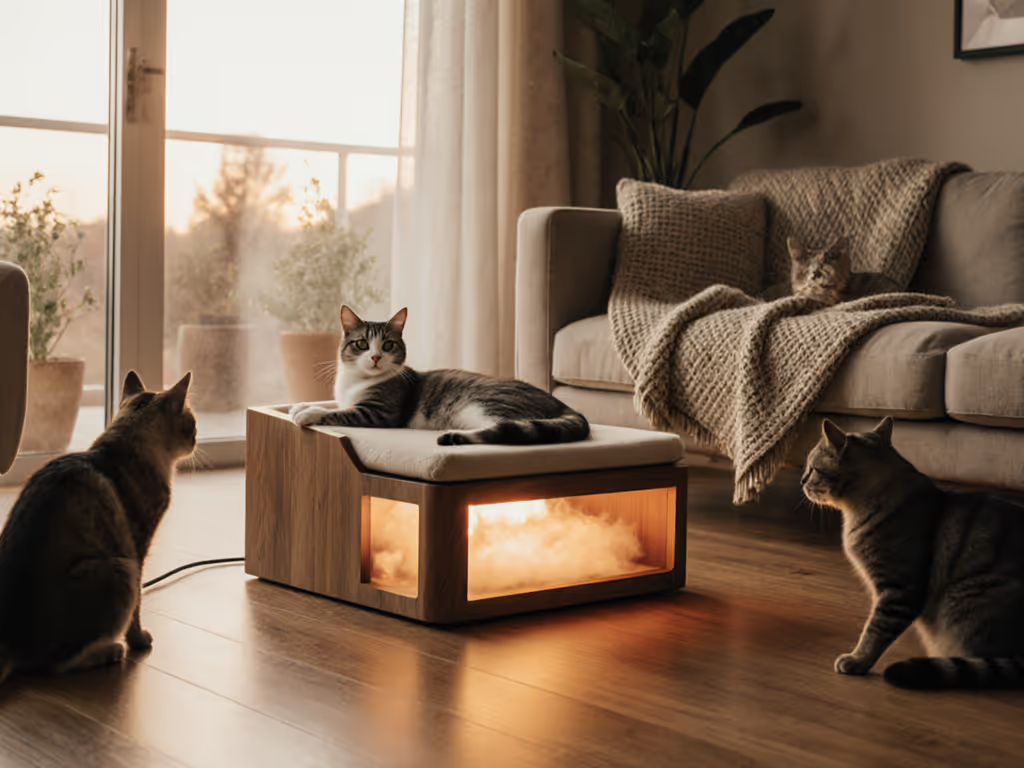
A single elevated platform 12 to 16 inches high, paired with a cushioned base mat, delivers enrichment without visual weight. Think of it as functional art: a walnut-finished box with a cushion that allows your cat to survey the room while you maintain sightlines and spatial flow.
For cats with mobility concerns or those who prefer grounded perching, low platforms reduce strain while keeping claws away from the floor plane. Pair with a washable, non-slip mat underneath for moisture protection.
Why it works with cork: Minimal floor contact; addresses comfort alongside protection.
Maintenance consideration: Cushions slide off easily for washing.
Scratching Posts and Boards
Best for: Channeling natural instinct, protecting furniture, all cat lifestyles
Designated scratching surfaces are non-negotiable: not optional enrichment, but essential infrastructure. On cork flooring, vertical and angled scratching posts become protection tools. A 30-inch sisal-wrapped post in a corner or anchored to a wall diverts scratching energy from the floor itself.
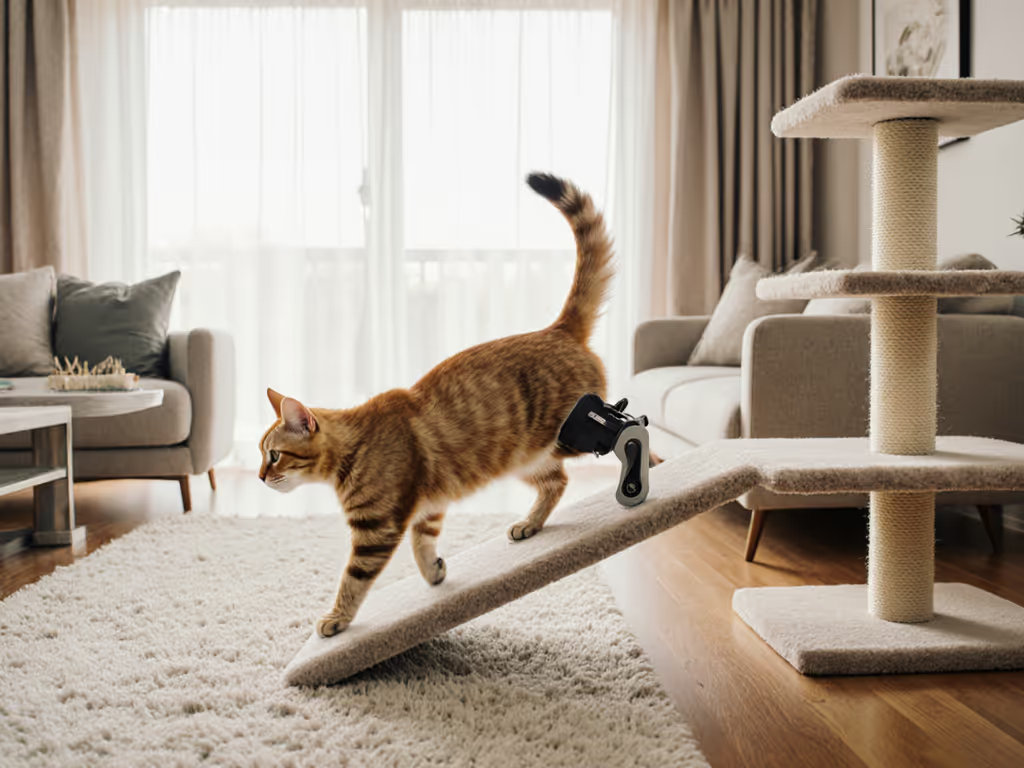
Horizontal scratching boards (36 inches long, wrapped in sisal or corrugated cardboard) placed in traffic zones where cats naturally stretch appeal to different scratching preferences. Angle matters: 45-degree inclines often attract cats who prefer lengthwise scratching, while vertical surfaces serve those who stretch upright.
Color your scratching infrastructure intentionally. Natural sisal reads as warm and neutral; darker wraps ground a space visually. A single statement scratching post becomes an accent rather than an afterthought.
Why it works with cork: Redirects claw wear; preserves the floor by offering superior scratching surfaces.
Maintenance consideration: Sisal sheds as cats use it, so place posts where loose fibers are easy to sweep.
Material Considerations: What Protects Cork
Not all cat furniture materials pair equally with cork. Here's what works:
Sealed hardwoods and engineered wood create moisture-resistant bases that won't telegraph spills or accidents into the flooring beneath. FSC-certified or reclaimed options align with the environmental values many cork-flooring households share. Opt for closed-grain finishes rather than open-grain varieties that trap moisture.
Rubber and silicone feet grip cork without sliding, and they don't create wet spots where metal legs contact the floor. Quality rubber feet are the unglamorous heroes of cork-compatible furniture design. See our cat furniture stability testing guide to evaluate bases, anchoring, and tip-over resistance before purchase.
Natural fibers like sisal and jute resist moisture better than synthetic options, and they visually complement cork's organic warmth. Budget slightly more for durable, tightly wound sisal, it resists shredding and lasts through multiple cats' active years.[3]
Performance upholstery fabrics dry quickly if an accident occurs and resist staining better than natural linen or standard cotton blend. Brands specializing in pet-safe, water-resistant textiles exist across price ranges.
Avoid particle board bases (moisture damage risk), thin metal feet without padding, and foam-backed fabrics that absorb and hold moisture.
Design Integration: Making Furniture Feel Intentional
The gap between "cat furniture that matches a room" and "furniture that elevates a room" is often just intentionality. Here's how to close it:
Color harmony: Pull one or two accent colors from your furniture or palette and carry them through your cat's infrastructure. If your room leans warm (cream, caramel, gold accents), choose cork-furniture pieces in matching walnut or honey tones. This costs nothing extra but transforms perception entirely.
Scale and proportion: A tower that's 48 inches tall in a room with 8-foot ceilings reads as balanced; the same tower in a 7-foot space feels cramped. Measure twice. Sketch placement on a floor plan. Let the room do some of the work by choosing items that fit your space's actual dimensions, not aspirational ones.
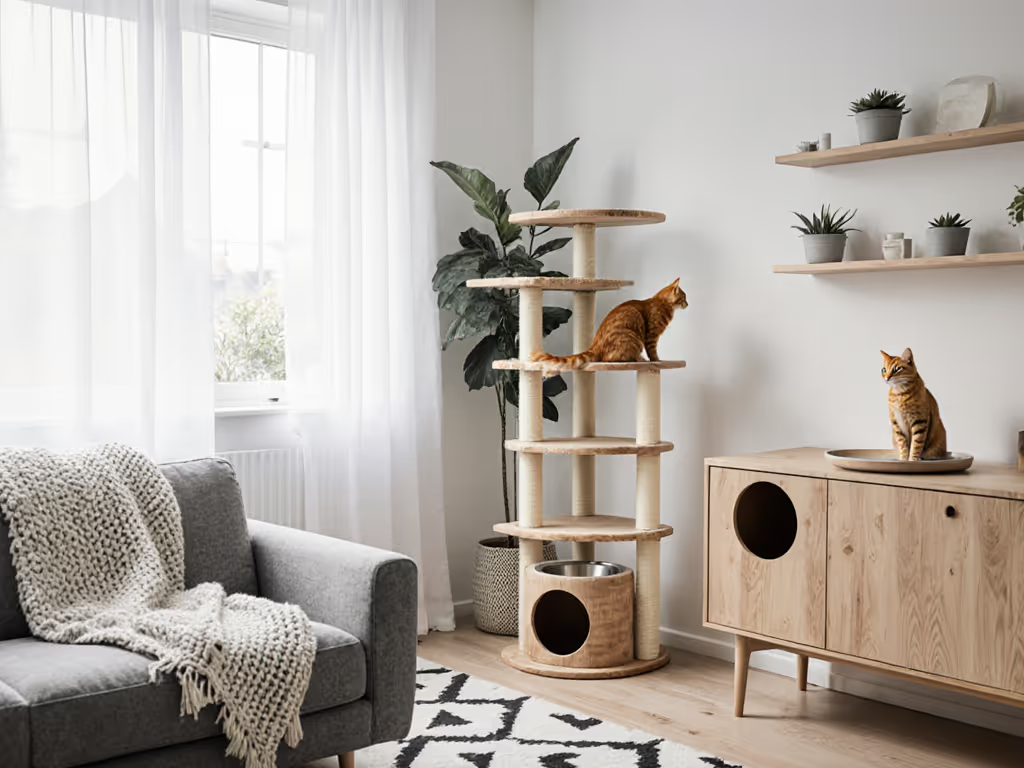
Spatial clustering: Grouping scratching posts, perches, and hiding spots into a "cat corner" creates a distinct, designed zone rather than scattered furniture. A 5 × 5-foot corner with wall shelves, a tower, and a horizontal scratching board becomes a functional, visually cohesive area, almost like a small, intentional room within a room.
Texture layering: Cork is already textured. Layer sisal, woven fabric, smooth cushions, and natural wood to create tactile variety that appeals to cats while adding visual richness. This approach (form meets instinct, with pieces that uplift rooms and enrich routines) drives lasting design.
Special Considerations for Multiple Cats on Cork
If your household includes multiple cats with different temperaments, cork flooring's sound absorption becomes your ally. It muffles the chaos of multi-cat play, reducing the ambient stress of constant activity. However, furniture must accommodate different dynamics:
- Vertical variety: Offer multiple heights so subordinate cats can retreat upward and claim space without confrontation.
- Separate scratching zones: Multiple scratching posts (at least two, ideally three in larger homes) reduce territorial tension around resource control.
- Hidden perches: Covered hideaway boxes or enclosed shelf spaces allow cats to separate when needed, reducing stress and protecting cork through behavioral calm.
Making the Transition and Long-Term Care
If you're moving existing cat furniture onto new cork flooring, assess each piece: Does it have sealed feet? Are bases moisture-resistant? Can you add protective padding underneath? Sometimes, strategic sealing or new feet are simpler solutions than replacing entire pieces. To boost acceptance, follow our stress-free introduction steps so cats embrace new furniture without floor-testing detours.
For ongoing cork care in a multi-cat household:
- Trim claws every 3 to 4 weeks to minimize scratching damage[1]
- Wipe spills immediately, cork's sealed finish handles quick cleanup, but standing moisture is the real risk
- Use furniture placement to create moisture-protected zones where litter boxes and food bowls sit on protective mats, not directly on cork
- Refresh sisal and corrugated scratching surfaces annually as they wear, preventing cats from defaulting to the floor itself
Your Next Step: Designing Your Cork-Friendly Cat Space
Start with measurement. Your room's dimensions, ceiling height, and existing color palette should dictate every furniture decision. Sketch your floor plan (even a rough pencil drawing), and mark where cat infrastructure naturally fits without creating obstacles or dead space.
Choose one statement piece first: a wall-mounted run, a sealed tower, or a positioned platform. This anchor piece sets tone and scale for everything else. Then layer in scratching surfaces, hidden perches, and enrichment within that framework.
Remember, cork flooring homes and thoughtfully designed cat furniture aren't opposing forces. Beautiful rooms and cat needs are co-authors of a space that works for everyone living in it. Your cat's instincts and your home's aesthetics aren't competing priorities; they're collaborators. When you design from that perspective, every element feels earned rather than added on, and your space becomes genuinely, sustainably yours.
Related Articles