Unique Portable Cat Furniture for RVs & Temporary Homes
By Tariq Al-Khalil • 26th Nov
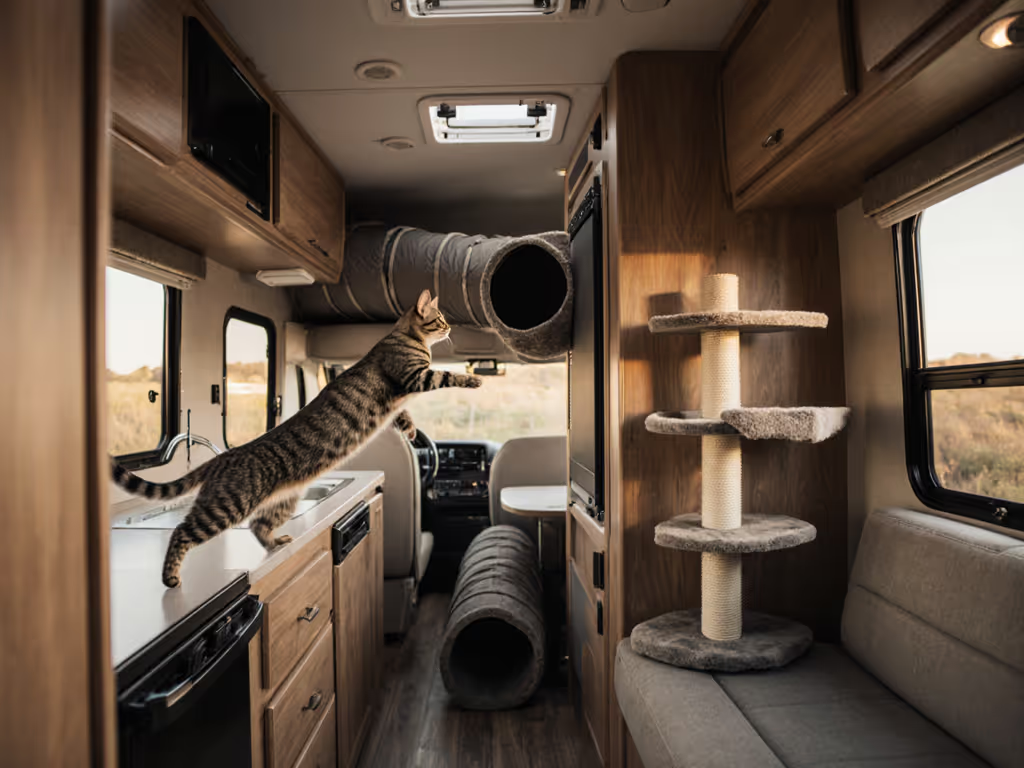
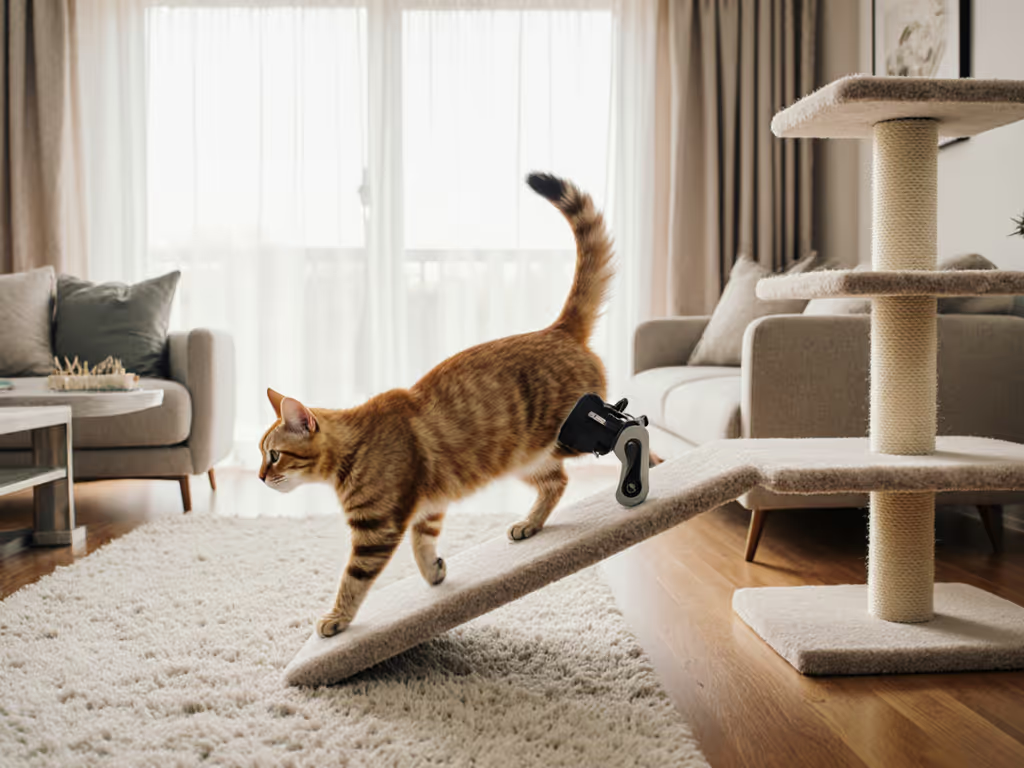
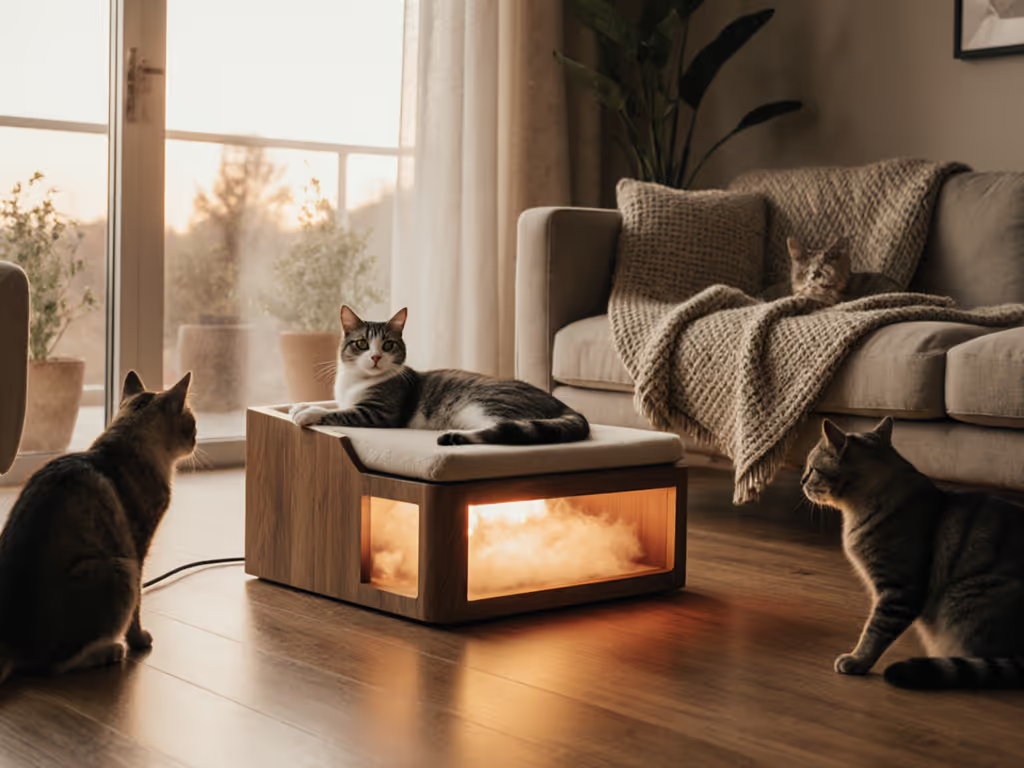
When you're living the RV life or renting temporary housing, finding cheap cat furniture that doesn't compromise your feline's wellbeing can feel like searching for a needle in a haystack. Unfortunately, most unique cat furniture options are designed for permanent homes, leaving mobile cat guardians with limited choices that often fail to meet their cats' instinctual needs. As someone who's helped countless pet parents solve scratching, zoomies, and tension through environmental tweaks, I've seen how the right mobile cat enrichment setup transforms not just feline behavior, but the entire living dynamic for traveling families.
Having worked with shelter cats and mobile pet guardians alike, I know the frustration of watching your companion retreat into themselves in unfamiliar spaces. That's why I approach this challenge with a behavior-first methodology focused on what cats truly need to thrive, not what looks good in a catalog. Meet the need, not the symptom. This principle has guided everything from my work with a shelter cat named Miso who wouldn't leave his carrier for days, to helping RV travelers create welcoming spaces for their curious companions.
Why Traditional Cat Furniture Falls Short for Mobile Living
Most standard cat trees fail in RVs and temporary homes for three critical reasons: If you're weighing formats, our wall shelves vs cat trees comparison breaks down space and stability trade-offs for small, mobile setups.
- Space Inefficiency: Traditional cat furniture consumes valuable square footage without maximizing vertical territory
- Poor Adaptability: They're designed for specific room dimensions, not the fluid layouts of mobile living
- Structural Instability: Without proper anchoring, they become safety hazards during travel or in smaller spaces
The result? Cats experiencing stress-induced behaviors like inappropriate scratching, hiding, or vocalization, often misinterpreted as "personality issues" rather than natural instincts seeking expression. I've seen too many well-meaning guardians replace damaged couches while missing the opportunity to provide appropriate outlets for their cats' biological needs.
Step 1: Map Your Cat's Instinctual Blueprint
Before you purchase anything, take a week to observe your cat's natural behaviors in your current living space. This habit-aware assessment forms the foundation of effective environmental design:
- Scratching patterns: Where does your cat naturally stretch and scratch?
- Perching preferences: What heights do they seek for observation?
- Retreat selection: Where do they go when feeling overwhelmed?
- Play routes: What paths do they take during active periods?
This observational period reveals your cat's unique behavioral blueprint. Remember, cats don't need "toys" as much as they need environments that facilitate natural movement patterns. When we provided Miso with a vertical route mapped to his observed preferences, not just random shelves, he began exploring within days. This approach ensures whatever temporary cat setup you choose aligns with your cat's innate drives rather than forcing them into unnatural behaviors.
Step 2: Evaluate Space Constraints with Precision
In mobile living situations, every inch counts. Use this sensory-focused space audit to identify opportunities:
- Measure your vertical potential: Most RVs have 6-7 foot ceilings, yet we typically only utilize floor space. Calculate available vertical territory (height x wall width)
- Identify natural anchors: Locate structural points where furniture can be safely secured
- Map sun patterns: Note where sunlight hits at different times, crucial for creating appealing resting spots
- Assess traffic flow: Identify high-traffic zones to avoid placing furniture where it creates conflict
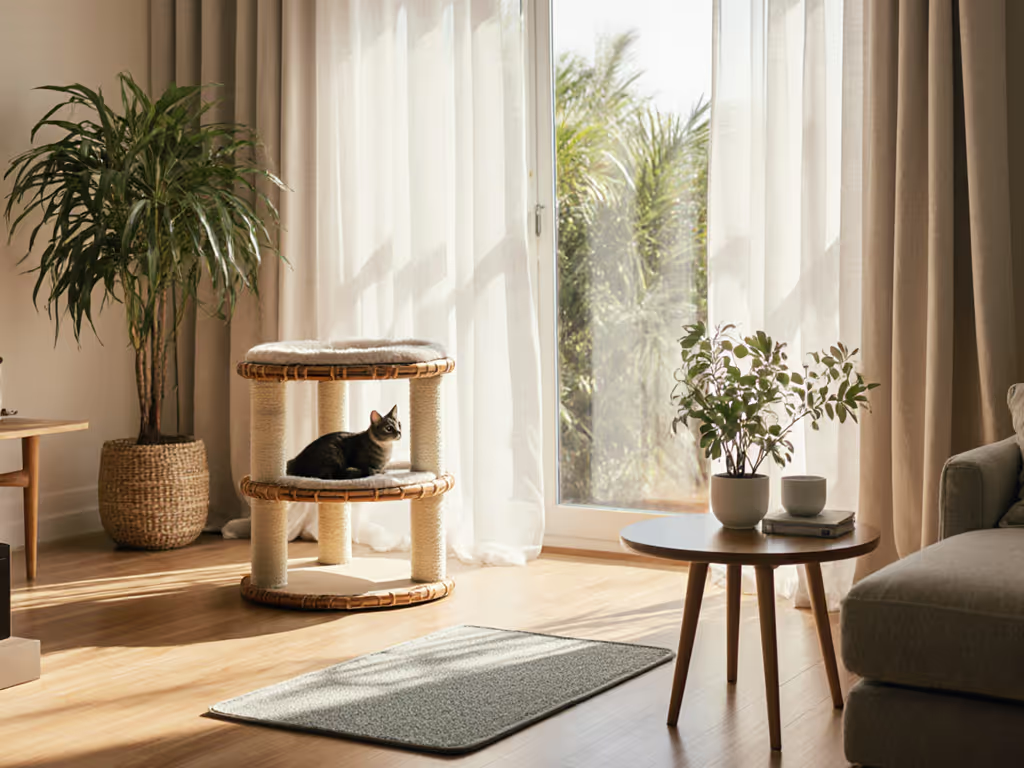
This precise measurement approach transforms what seems like limited space into rich territory. Cats naturally read environments in three dimensions, so a well-designed vertical path in a 100-square-foot RV can provide more enrichment than a sprawling horizontal setup in a 500-square-foot apartment.
Behavior blossoms when spaces speak your cat's native language.
Step 3: Choose Furniture That Fulfills Multiple Needs
The most effective portable cat furniture serves at least three functions simultaneously. Here's how to evaluate options:
Multi-Purpose Design Checklist
- ✅ Vertical climbing routes that create territory expansion
- ✅ Scratching surfaces integrated into natural movement paths
- ✅ Secure perching spots at varying heights
- ✅ Safe retreats for when stimulation becomes overwhelming
- ✅ Easy disassembly for transport or rearrangement
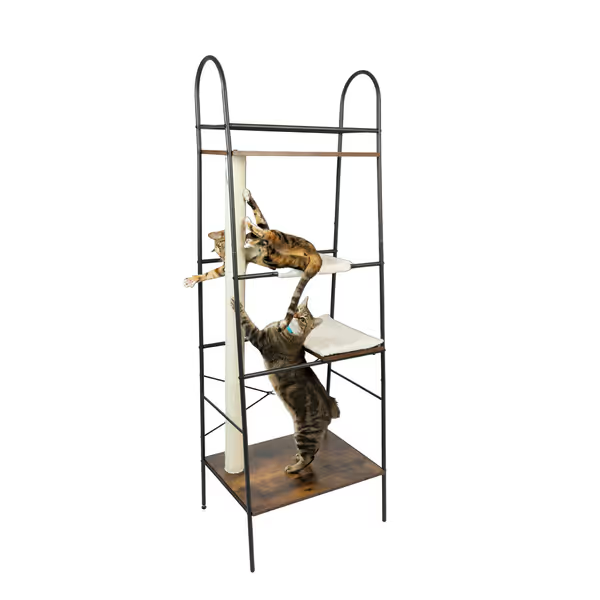
PetFusion VersiCLimb Cat Climber
Modern, multi-functional cat furniture blends seamlessly, enriching feline environments.
$89.99
Height47-inch scratching post
Height47-inch scratching post
Pros
Modern design enhances home decor, not detracts.
Multi-level enrichment: scratch, climb, perch, hide.
Cons
Assembly can be tedious for some users.
Perceived stability varies between customers.
My kitten uses it daily; it's a beautiful compromise to traditional cat trees that matches home decor well.
My kitten uses it daily; it's a beautiful compromise to traditional cat trees that matches home decor well.
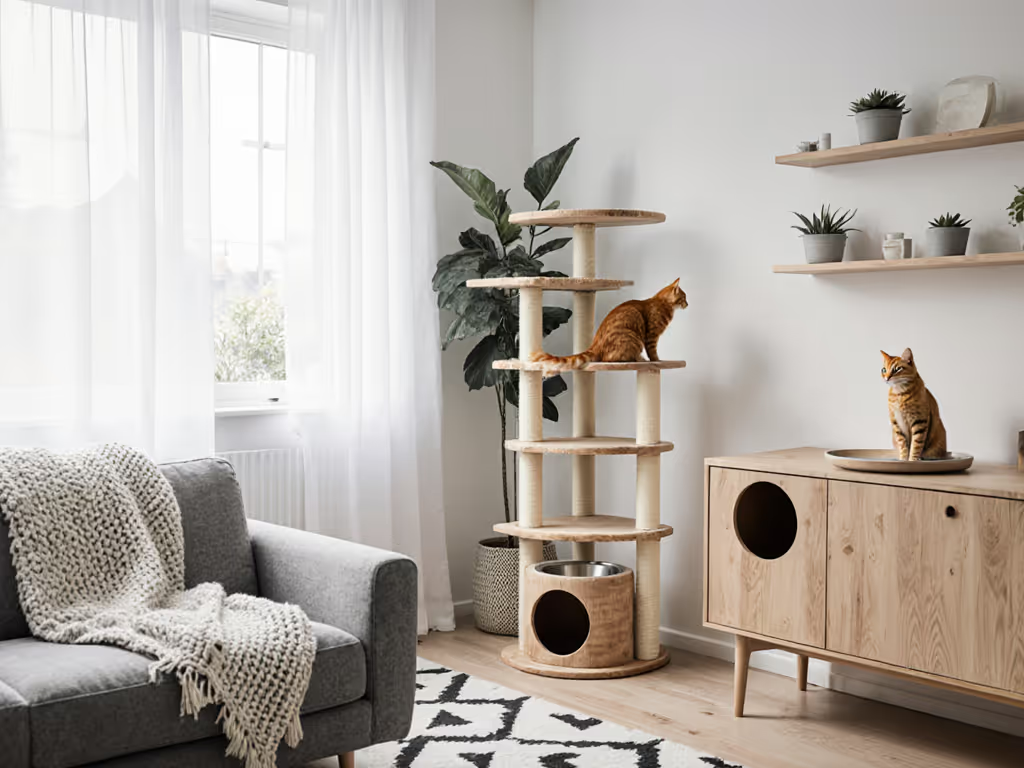
The PetFusion VersiCLimb exemplifies this approach: its 47-inch height creates vertical territory in minimal floor space while the integrated bookshelf and storage shelves serve dual purposes for both human and feline needs. I've seen this particular model transform cramped RV corners into thriving cat territories because it addresses multiple behavioral needs without demanding significant space. The key is ensuring scratching surfaces are positioned where your cat naturally moves, not as afterthoughts placed inconveniently in corners.
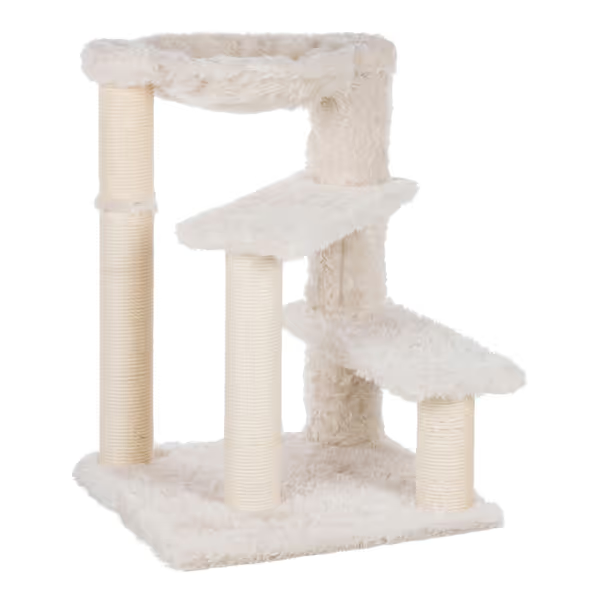
TRIXIE Baza Senior Cat Tree
Senior-friendly cat tree with plush comfort and scratching posts.
$54.26
4
Overall Height27.6"
Overall Height27.6"
Pros
Plush hammock and platforms offer ultimate comfort for napping.
Jute posts satisfy natural scratching instincts, protecting furniture.
Cons
Assembly instructions can be unclear for some users.
Hammock material may show durability issues over time.
Customers find the cat tower to be a high-quality, sturdy structure that supports pets' weight well and is large enough for multiple cats, with one noting it can hold up to 18 lbs.
Customers find the cat tower to be a high-quality, sturdy structure that supports pets' weight well and is large enough for multiple cats, with one noting it can hold up to 18 lbs.
Step 4: Make Budget Decisions with Long-Term Value
"Cheap cat furniture" often carries hidden costs through frequent replacement and the behavioral issues it fails to address. When evaluating options, consider these factors: For upkeep on the road, see our cat furniture cleaning guide for material-specific maintenance tips.
- Material durability: Does the scratching surface withstand regular use without fraying?
- Structural integrity: Can it be securely anchored to prevent tipping?
- Modularity: Can components be rearranged as your living situation changes?
- Cleanability: How easily can it be maintained during travel?
I've observed that guardians who invest in quality portable furniture often save money within 18-24 months compared to those continually replacing cheap alternatives. More importantly, cats in these environments show fewer stress-related behaviors. Remember, temporary doesn't mean disposable when it comes to your cat's environment.
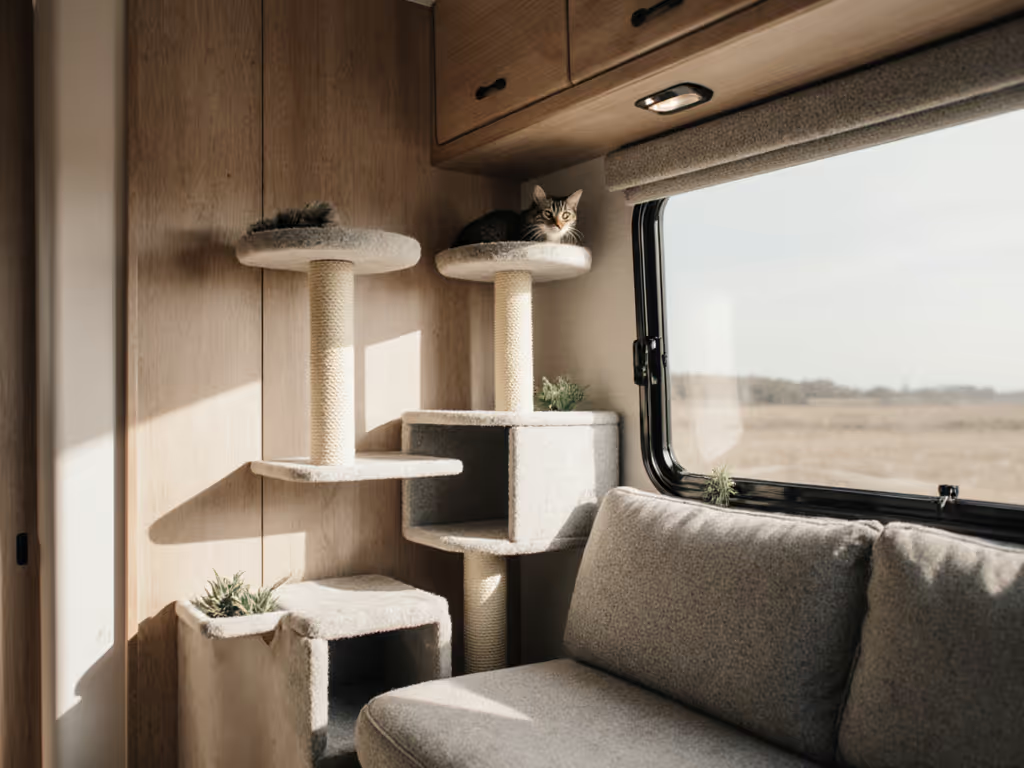
Step 5: Implement Your Temporary Cat Setup Strategically
Your installation process matters as much as the furniture itself. For stress-free introductions, follow our step-by-step acclimation guide. Follow this gentle implementation sequence:
- Start with scent integration: Place familiar-smelling items (blankets, toys) on new furniture before assembly
- Create positive associations: Use food rewards on key platforms but avoid forcing interaction
- Build gradually: Introduce one level at a time if possible
- Maintain predictability: Keep core elements (like litter box location) consistent during transitions
For RV setups specifically, I recommend positioning furniture near windows with safe views but away from high-traffic pathways. In a recent review I analyzed, the "Tanzi Condo" succeeded because it created a consistent routine, and Tanzi knew exactly where to find outdoor access regardless of their location.
Step 6: Customize for Your Unique Living Situation
One size never fits all when it comes to mobile cat enrichment. Here's how to tailor solutions:
For RV Living:
- Prioritize furniture that can be securely anchored to structural points
- Choose designs that don't obstruct essential pathways
- Incorporate removable elements for travel days
For Temporary Housing:
- Select modular systems that adapt to different room layouts
- Focus on furniture that enhances rather than clashes with existing decor
- Ensure components can be easily cleaned after moving
The Verdict: What Makes Truly Unique Cat Furniture?
After evaluating dozens of portable options, I've found that the most successful furniture cat tree systems share these characteristics:
- Vertical-first design that maximizes limited floor space
- Multi-functional elements that serve both human and feline needs
- Predictable patterns that create security in changing environments
- Sensory integration that engages natural feline behaviors
The "unique" factor is not about unusual shapes or gimmicks, it is about thoughtfully addressing biological needs within spatial constraints. When I helped a family traveling in their RV implement a temporary cat setup using strategically placed shelves and a compact scratching post, their cat went from hiding under the bed to confidently greeting new people from multiple vantage points.
Next Steps for Your Mobile Cat Journey
Your cat's wellbeing shouldn't be compromised by your living situation. By approaching mobile cat enrichment through a behavior-first lens, you create harmony between your lifestyle and your companion's needs. Remember that even small environmental tweaks can yield significant behavioral improvements, sometimes as simple as rearranging existing furniture to create a vertical path.
If you're ready to explore more tailored solutions for your specific living situation, I've created a comprehensive guide to portable cat environments that addresses every space constraint from tiny homes to international travel. This resource includes product comparisons and implementation checklists to ensure your cat thrives wherever life takes you (without compromising your home's aesthetic or your budget).
The most successful RV cat guardians I've worked with didn't find the "perfect" furniture, they created the perfect relationship between their cat's instincts and their living space. When you design environments that honor natural feline behavior, you're not just solving problems, you're building a deeper connection with your traveling companion.
Related Articles